- Upgrade your defenses, not your anxiety. Let’s Talk! Contact Us

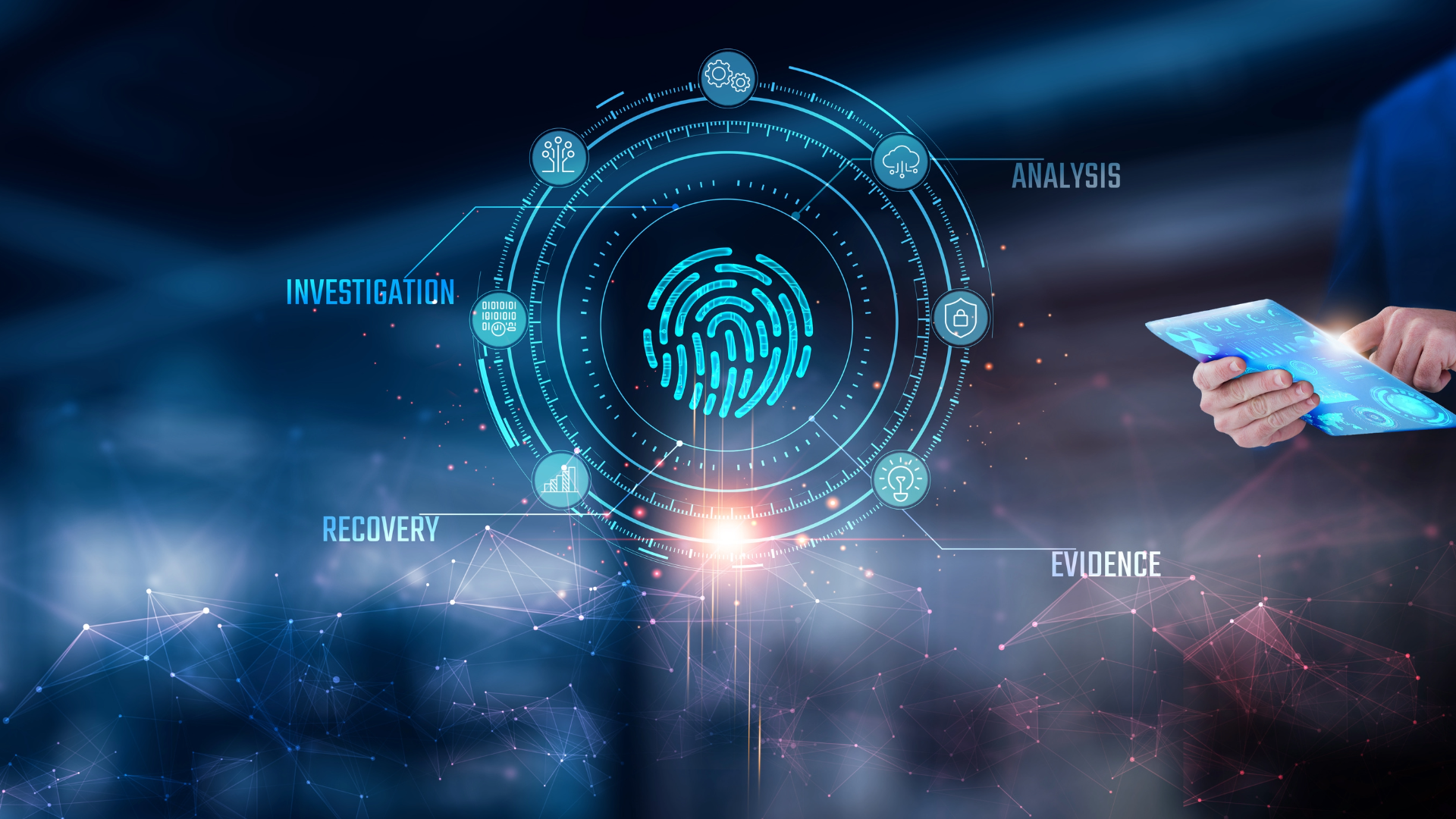
Digital Forensics Explained for Indian Enterprises: Why Evidence Matters After a Cyber Incident
Cyber incidents are no longer rare IT disruptions.
They are regulatory, legal, financial, and governance events.
In India, when an organization suffers a cyber breach, the questions that follow are no longer limited to “How fast did we recover?” Regulators, auditors, legal teams, customers, and boards now ask a more fundamental question:
What exactly happened - and can you prove it?
This is where digital forensics becomes critical.
What is Digital Forensics?
Digital forensics is the structured and scientific process of identifying, preserving, analyzing, and presenting digital evidence so that it can stand up to regulatory scrutiny, audits, and legal examination.
Unlike day-to-day IT troubleshooting or security monitoring, digital forensics is not about assumptions or quick fixes. It is about facts.
A forensic investigation answers questions such as:
-
How did the attacker gain access?
-
When did the breach actually start?
-
What systems and data were affected?
-
Was data exfiltrated, altered, or destroyed?
-
Can these findings be independently verified?
For Indian enterprises operating under CERT-In directives, SEBI cyber resilience expectations, RBI guidelines, and contractual obligations, these answers are not optional - they are essential.
Digital Forensics vs Incident Response: A Critical Difference
One of the most common and costly mistakes organizations make is treating incident response and digital forensics as the same function.
They are not.
Incident Response (IR)
Incident response focuses on:
-
Containing the attack
-
Removing malicious activity
-
Restoring systems and services
-
Resuming business operations
The primary objective of IR is speed and continuity.
Digital Forensics (DF)
Digital forensics focuses on:
-
Evidence preservation
-
Timeline reconstruction
-
Root cause identification
-
Impact assessment
-
Defensible documentation
The primary objective of forensics is truth and accountability.
When recovery activities begin before evidence is preserved, critical data is often overwritten, altered, or lost. Logs roll over, systems are reimaged, endpoints are reset, and cloud artifacts disappear. Once this happens, no amount of post-facto analysis can reconstruct the full picture.
Why Logs Alone Are Not Evidence
Many organizations believe that log data is sufficient to explain a cyber incident. In reality, logs are only one piece of forensic evidence, and often an incomplete one.
Logs:
-
May be tampered with by attackers
-
Are often retained for limited durations
-
Rarely provide full attacker context
-
Do not establish intent or sequence on their own
Digital forensics correlates logs with:
-
Disk and memory artifacts
-
Registry and system changes
-
Email and identity activity
-
Cloud access records
-
Endpoint and network traces
Only when these elements are analyzed together can an organization establish a reliable incident timeline.
When is Digital Forensics Required in India?
Digital forensics becomes mandatory or strongly advisable in several scenarios under Indian regulatory and legal expectations.
1. CERT-In Reportable Incidents
CERT-In requires timely and accurate reporting of certain cyber incidents. Reporting without forensic validation often leads to:
-
Incomplete disclosures
-
Incorrect impact assessment
-
Follow-up queries from regulators
A forensic investigation ensures that incident reports are fact-based, defensible, and complete.
2. Ransomware and Data Breaches
Ransomware incidents are rarely limited to encryption alone. In many cases:
-
Data is exfiltrated before encryption
-
Attackers maintain persistence
-
Multiple systems are compromised silently
Without forensics, organizations may underreport breach scope and miss notification obligations.
3. Insider Threats and Fraud
Incidents involving employees, vendors, or privileged users require independent and unbiased investigation. Forensics provides objective evidence that can support:
-
Disciplinary action
-
Legal proceedings
-
Insurance claims
4. Regulatory Audits and Legal Proceedings
When incidents are reviewed by regulators, auditors, or courts, explanations are not enough. Evidence is required.
The Forensic-First Investigation Approach
A professional digital forensic investigation follows a disciplined and documented methodology.
1. Evidence Identification and Preservation
The first priority is identifying potential evidence sources and preserving them before remediation begins. This includes endpoints, servers, cloud workloads, email systems, and identity platforms.
2. Chain of Custody Documentation
Every piece of evidence must be documented:
-
Where it came from
-
Who handled it
-
When it was accessed
-
How integrity was maintained
This is critical for legal defensibility.
3. Timeline Reconstruction
Forensic analysts reconstruct events minute by minute:
-
Initial access
-
Lateral movement
-
Privilege escalation
-
Data access or exfiltration
-
Persistence mechanisms
4. Root Cause and Impact Analysis
Beyond what happened, forensics answers why it happened and what it affected. This supports risk remediation and governance decisions.
5. Regulator- and Court-Ready Reporting
Findings are documented in structured reports that can be reviewed by:
-
Regulators
-
Auditors
-
Legal counsel
-
Boards and senior management
The goal is clarity, not technical jargon.
Why Indian Enterprises Must Rethink Incident Handling
Historically, cyber incidents were treated as operational IT issues. That approach no longer works.
Today, poor incident handling can lead to:
-
Regulatory penalties
-
Audit qualifications
-
Contractual disputes
-
Insurance claim rejections
-
Loss of stakeholder trust
More importantly, organizations that cannot establish facts lose control of the narrative. External parties—regulators, customers, or the media—end up defining the incident for them.
Digital forensics gives organizations back that control.
The Role of Independent Forensics
In many cases, internal IT or security teams are too close to the incident to conduct an unbiased investigation. Independent forensic specialists bring:
-
Objectivity
-
Specialized tools and methodologies
-
Regulatory and legal awareness
-
Experience across multiple incident types
This independence is often crucial when incidents escalate beyond technical remediation.
Digital Forensics as a Governance Capability
Forward-looking organizations are beginning to treat digital forensics not as a reactive service, but as a governance capability.
This includes:
-
Forensic-ready incident response plans
-
Log retention aligned with forensic needs
-
Clear escalation paths for investigations
-
Regular tabletop exercises involving legal and compliance teams
Such preparedness reduces chaos during real incidents and improves outcomes.
Why Evidence Matters More Than Ever
In cyber incidents:
-
Beliefs don’t satisfy regulators
-
Assumptions don’t protect organizations
-
Speed without accuracy creates risk
Evidence is what stands when everything else is questioned.
Digital forensics ensures that organizations are not forced to guess, speculate, or defend incomplete narratives after an incident.
How Proaxis Solutions Approaches Digital Forensics
Proaxis Solutions provides specialized digital forensics and investigation services designed for Indian regulatory, legal, and enterprise environments.
With experience across:
-
Digital and cloud forensics
-
Ransomware and malware investigations
-
Email, endpoint, and network evidence analysis
-
CERT-In aligned forensic reporting
-
Court- and audit-ready documentation
Proaxis Solutions focuses on facts, evidence integrity, and defensibility, not just technical recovery
Frequently Asked Questions (FAQs)
- Is digital forensics mandatory after a cyber incident in India?
Digital forensics is not legally mandatory for every cyber incident, but it is strongly required for CERT-In reportable incidents, ransomware attacks, data breaches, insider threats, and cases involving regulatory, legal, or audit scrutiny. Forensics ensures accurate reporting and defensible findings. - Can incident response be done without digital forensics?
Yes, incident response can be performed without forensics, but doing so risks evidence loss, incomplete incident understanding, and regulatory non-compliance. Incident response focuses on recovery, while digital forensics focuses on evidence, timelines, and accountability. - How quickly should digital forensics begin after a cyber incident?
Digital forensics should begin immediately, ideally before remediation or system restoration starts. Early forensic involvement prevents evidence contamination and ensures critical artifacts such as logs, memory, and system states are preserved. - Can internal IT or SOC teams perform digital forensics?
Internal IT or SOC teams can assist with containment and recovery, but digital forensics requires specialized expertise, tools, and independent handling. Internal teams may unintentionally alter evidence or lack the legal and regulatory perspective required for defensible investigations. - What happens if an organization skips digital forensics after a breach?
Skipping digital forensics can lead to incorrect breach scope assessment, incomplete regulatory reporting, legal exposure, audit failures, and reputational damage. Without evidence-backed findings, organizations lose control of the incident narrative.
Forensics Is No Longer Optional
For Indian enterprises, digital forensics is no longer a niche technical function - it is a critical pillar of cyber resilience, governance, and compliance.
If your organization is preparing for audits, responding to a breach, or reassessing its cyber incident response strategy, a forensic-first approach is essential.
Source: Internet
Reach out to us any time to get customized forensics solutions to fit your needs. Check out Our Google Reviews for a better understanding of our services and business.
If you are looking for Digital Forensics Services in Bangalore, give us a call on +91 91089 68720 / +91 94490 68720.
Search
Popular categories
Forensics
32Cybersecurity
16Awareness
5Current Trends
3Case Studies
1Latest blogs

Rising Cybercrime Against Senior Citizens in India: The Most Common Online Scams

Startup Cybersecurity in India: Why DFIR Are Critical in the Fight Against Cybercrime
(c)+BSA/Certificate+63(4)(c)+BSA.webp)
Certified Digital Evidence under Section 63(4)(c) Bharatiya Sakshya Adhiniyam (BSA)

Providing effective, efficient, cutting edge, Next Gen Cyber Security and Forensics Services to various sectors of clientele across the globe.
Write a public review