• Upgrade your defenses, not your anxiety. Let’s Talk! Contact Us
Audio Video Forensics Analysis: How Experts Examine Recordings

Audio Video Forensics Analysis: How Experts Examine Recordings

Introduction: 

Audio and video recordings are a more common component of many industries today in the area of evidence, whether for law enforcement, corporate investigations, or personal disputes. Audio and video recordings can provide the required information to define facts, about events or conversations that may otherwise never be fully known. With the advancements of digital editing software in today’s environment, the challenge is that anything we hear, or see, on an audio or video audio recording could be suspectable to legibility. This opens the scope for audio-video analysis in the inquiry of audio-video digital forensic analysis. 

Digital forensics consists of the methods to recover, analyse, and preserve data from digital devices to establish facts, while providing evidence, for inquiries. For audio and video evidence, forensic specialists use methods to verify, identify and authenticate a recording and verify whether the recording has been affected, compromised, or otherwise, manipulated. Authenticity for audio-video evidence, is important as it preserves the integrity of the evidence, and that it will be presented to the court, or any other relevant determination as legitimate evidence. 

The process of audio video analysis involves verifying the authenticity, completeness, and editability of a sound or video recordings. Audio video analysis is an important component of digital forensics, which utilizes digital evidence to find the truth.  

In its simplest form, audio video analysis, assesses whether alterations were made to any audio or video file. For example, someone may alter a conversation by removing conversation, changing a voice, or removing frames of a video file. Audio video analysis can detect those alterations for authenticity purposes. 

Audio video analysis is typically used for: 

  • Legal investigations, to support or oppose evidence in court.  

  • Workplace issues or disputes to verify claims related to meetings or interviews.  

  • Digital video footage and recorded conversations may contain key content that reveals what happened.  

  • Public concern (online) or verification of viral videos, audio clips or films for issues related to fake or misleading content.  

Audio video analysis helps provide, contextually, professional, legal and personal decisions-based sound and video evidence. 

Why Audio and Video Evidence needs to be Verified: 

Audio and video files are often used as important evidence when investigating a situation. These files can affect decisions being made in courtrooms, workplaces, insurance claims, and even public perception. But what if the evidence is not valid? What if audio is edited, taken out of context, or completely fake? 

This is why audio and video verification are so important. 

When the audio or video is used as evidence to prove what someone did or said, accuracy and authenticity are paramount. A single frame of video or a few seconds of audio can easily mislead people by creating another impression, even if completely accidental. 

Here are some reasons why verification is critical for audio and video recordings: 

  • Helps protect the truth: It will ensure that only verified information is being relied upon in any decision-making processes. 

  • Prevents manipulations: It stops people from manipulating media by letting them twist facts or outright lie. 

  • Provides fair outcomes: Verified evidence leads to fairer and more reliable results whether in a legal process, or corporate dispute. 

There is a potential for serious consequences if fake or manipulated audio and video files are accepted as fact without any parsing. Audio video verification can minimize that risk by ensuring the evidence is accurate, valid, and reliable. 

Key Things Experts Look for During Analysis 

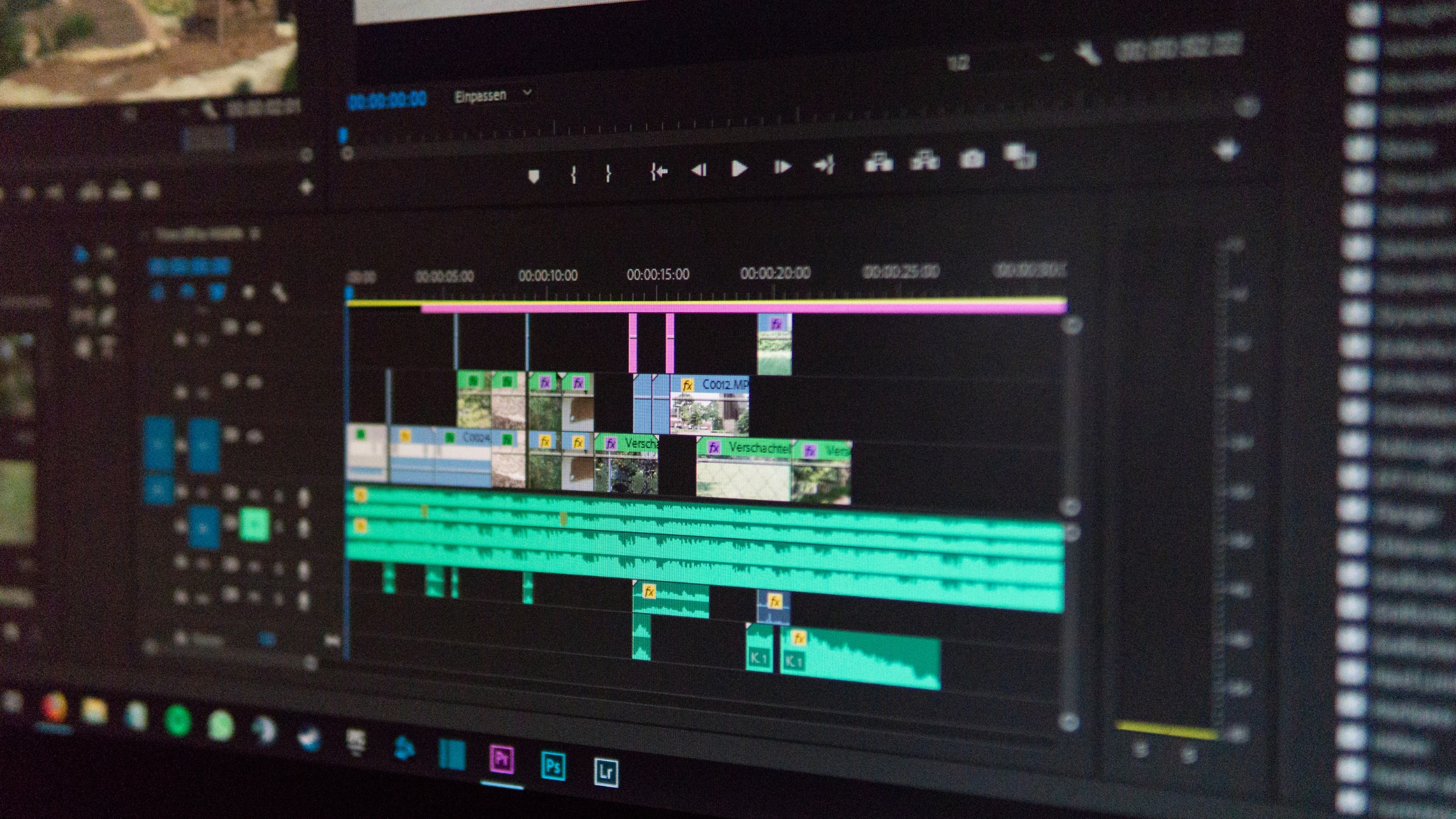
When forensics experts examine audio or video files, they systematically investigate any changes to the recording to determine if it is an original or altered recording. Although they employ advanced equipment, the purpose is quite simple: to determine if there are any indications that something may not be right. 

Here are some of the main things they look for: 

1. Unusual Cuts or Gaps 

Experts check for parts of a video or audio file that seem to be missing or suddenly jump. These gaps can be a sign that the recording was edited to hide something. Any sudden transitions between segments may indicate a deliberate attempt to remove content or manipulate the timeline of the recording. The presence of these gaps often raises questions about the authenticity of the material. 

2. Changes in Sound or Voice 

They listen closely for differences in tone, background noise, or voice patterns. If someone’s voice changes suddenly, or if a sound doesn’t match the rest of the recording, it might mean the audio was changed or pieced together. Inconsistent audio quality or the unnatural alteration of voices may suggest the recording has been tampered with, and the expert will analyse the sound to verify its continuity and authenticity. 

3. Video Frame Problems 

A video is made up of many still images called frames, and several frames are shown every second. If some of these frames are missing or out of order, it may show the video was trimmed or altered. Experts will also look for signs of video “stitching,” where clips have been artificially combined, causing noticeable jumps or disruptions in motion. Frame analysis helps reveal whether the video was cut, reordered, or artificially inserted. 

4. Inconsistent Backgrounds or Lighting 

If the lighting, shadows, or background noise changes too quickly, it could mean that parts of the recording were added from a different time or place. This might include differences in the quality of lighting or slight shifts in the environment that don’t match the rest of the video. Such inconsistencies can point to editing or the insertion of new elements into the recording, compromising its authenticity. 

5. File Information (Metadata) 

Every digital recording comes with hidden information—like when and where it was made. Audio forensic experts check this data to confirm if the file is really from the time and device it claims to be. Metadata analysis can also reveal if the file was modified after its initial creation, which is crucial for validating the authenticity of the recording. In some cases, the metadata might be altered to conceal edits, so forensic experts examine this closely for any inconsistencies. 

The verifications help demonstrate that nothing has been altered, added to, or removed from the original recording. When audio video analysis is done right the answers are clear and it is easy for people to have confidence in what they are seeing and hearing. 

Process of Audio Video Analysis: 

Audio Video Analysis in digital forensics is generally structured in a manner that provides for thorough, accurate, and professional analysis of the evidence. While the mechanics that are involved can be technical, here is a simple and more involved description of what typically happens: 

1. Receiving the Original File 

The process begins with collecting the original version of the audio or video file. This is important because copies or compressed versions can lose quality or contain added noise. The original file holds the most accurate data, which helps experts detect any signs of editing or tampering. If the original isn’t available, the highest-quality version is used. 

2. Securing and Preserving the Evidence 

Once the file is received, it is stored in a secure environment to prevent any changes, intentional or accidental. Experts maintain a detailed record of how the evidence is handled, including who accessed it and when. This is called a chain of custody, and it ensures that the evidence can be trusted in legal or official proceedings. 

3. Step-by-Step Examination 

The forensic team closely inspects the audio or video. For video, this might include checking each frame, studying movements, lighting, and sound consistency. For audio, experts listen for any unusual gaps, changes in tone, or background noise that doesn’t match the rest of the file. They may use specialized software to slow down the footage, isolate sounds, or zoom into specific visual elements. 

4. Comparing with Other Information 

In many cases, the analysis involves comparing the recording with other sources. For example: 

  • Matching a voice with a known speaker. 

  • Checking timestamps against call logs or security camera schedules. 

  • Comparing video footage with still images or public data to confirm location and time. 

These comparisons help confirm whether the audio or video fits the claimed context, such as a specific date, place, or person. 

5. Creating a Clear, Court-Ready Report 

After the analysis is complete, the expert prepares a written report that explains their findings. The report covers: 

  • Whether the recording was altered or remains intact. 

  • What signs of tampering (if any) were found. 

  • A summary of the methods used to reach these conclusions. 

This report is written plainly and without technical terminology so that lawyers, investigators, company executives, or even perhaps a judge will comprehend the results. The expert, if needed, could testify in court to explain their findings in person. 

Why Choose a Certified Forensic Lab Like Proaxis Solutions 

The stakes in reviewing sensitive audio/video evidence are exceptionally high. Whether it's a criminal case, corporate dispute, or personal situation, there is a heavy weight placed on integrity in all digital evidence. Unfortunately, not all forensic labs can manage sensitive audio/video evidence with the precision, care, and professionalism it demands at this level. When you trust a certified forensic lab such as Proaxis Solutions, you can be certain your evidence is cared for with the highest level of accuracy, transparency, and trust. In cases or situations where the truth matters, arrive at the foundation of truth with Proaxis Solutions, be a trusted partner. 

Here’s why working with an expert forensic team like ours is essential for the success of your case: 

1. Proven Accuracy and Reliability 

At Proaxis Solutions we recognize that any digital evidence can only be examined to the degree of precision and consistency that is expected. Therefore, we utilize forensically sound, scientifically validated court-approved methods that have been tested and accepted by the legal and law enforcement community. 

Our audio video forensic experts adhere to the accepted standards, and they will examine every one of your audio/video recordings for signs of manipulation, tampering or inconsistencies. We employ significantly advanced algorithms and provide various forensic techniques, such as digital fingerprints, waveform analysis, metadata analysis and frame-by-frame analysis. Using these methods, we are able to find the tiniest of changes that will demonstrate the results we provide are not only accurate but reliable. 

It does not matter whether your matter is a highly investigated legal dispute, workplace investigation or any other critical situation; you need findings that you can stand behind. The findings are based on methods that are, and we will stand behind our findings at any professional level. 

2. Confidential and Secure Handling 

Digital evidence can be very sensitive material, particularly with respect to any personal privacy interests, protection of corporate secrets, or legal issues involved. Proaxis Solutions will take every reasonable precaution regarding confidentiality and security throughout the forensics process. 

When your evidence is received and during the analysis and reporting stages, we adhere to strict protocols to protect and preserve your evidence from unauthorized or unintended access, tampering, or destruction. The data protocols we use to secure and preserve every piece of evidence include state-of-the-art encryption and a high level of security for file transfers and share with only those personnel designated with restricted access in the authorized access logs. 

To track every action taken with your evidence we have implemented and follow chain of custody procedures. The protocols track who accessed or handled the evidence file and document every stage of the forensics process so there will always be a clear and trustworthy record to refer to establish traceability for the evidence. If your case proceeds to litigation or court, you can feel confident presenting your evidence without suspicion of its authenticity. 

3. Clear, Court-Ready Reporting 

One of our strongest attributes is our ability to present forensic findings in a concise, thorough, and understandable format. We recognize that prosecutors, or within corporate boardroom settings, or in personal consultations, often require that forensic findings be delivered without excessive technical jargon. Our expert team produces court-ready reports written in plain language that can be understood by legal professionals, investigators and corporate leaders as well as judges or juries. 

Our reports are designed to present findings in a manner that makes it clear, so that any reader (regardless of any digital forensic background) can clearly understand the relevance of the analysis. Reports identify: 

  • If the recording was altered or was original. 

  • What alterations or lack of credibly was found (if any). 

  • How we confirmed the authenticity of the recording. 

  • Any recommendations or conclusions with respect to the findings. 

This specificity of presentation has helps you to present findings without hesitation in court, at judgement hearings, and internal investigations. 

4. Advanced Technology and Skilled Experts 

At our lab, we don't solely rely on outdated equipment or basic techniques. We leverage the latest forensic technology available to us to ensure that each analysis and report is as accurate and thorough as possible, including the highest-quality software for audio analysis, video frame analysis, voice verification, and metadata analysis, along with many additional forensic tools. 

However, technology alone is limited in its impact. What makes this all possible is the skilled forensic experts with experience and knowledge. Our team has undergone extensive training and experiences in the forensic field, working on a wide range of cases, including criminal matters, corporate fraud, personal disputes, and more. They are experienced at interpreting difficult pieces of digital evidence and know the appropriate techniques to use to account for subtle forms of manipulation. 

It is the combination of state-of-the-art forensic tools and highly trained forensic experts that ensures thorough review of your audio or video evidence to maintain accuracy, reliability, and truthfulness. 

5. Recognized by Legal and Professional Communities 

Our reputation for reliability, accuracy, and timeliness in forensic analysis has made Proaxis Solutions a name widely accepted in the legal, law enforcement and corporate arenas. 

Our work has played an essential part in a number of legal cases, corporate investigations and civil disputes, providing forensic results that have always been accurate and stood up in court. We have cultivated long-term working relationships with lawyers, insurance companies, attorneys, and investigators, and corporate personnel, all of whom acknowledge and trust our forensic services because of our accuracy and professionalism. 

We also strive to assure that we are constantly learning, tools are latest, and techniques are latest in digital forensics. By staying up with the latest technologies and methodologies, we continue to provide forensic services in the forefront of the industry. This level of commitment to staying on top of industry shifts provides highly reliable and accurate service to you, ensuring you can feel completely confident that Proaxis Solutions is fully equipped to handle any level of complex and challenging digital events and scenarios, successfully, accurately, and with a high level of digital expertise. 

Conclusion: 

In a world of digital media that can be changed, distorted, or misinterpreted, verifying audio or video is crucial in helping digital forensics determine what the truth is. When you have a potential lawsuit or other workplace issue, trying to assess a potential impact on you or your business reputation resulting from a public allegation, you can insure against a blunder that could weaken your case or position by verifying the recordings. 

Audio and video evidence should never be taken at face value. With solid forensic work, hidden edits, unverifiable claims, and digital manipulation can be discovered, leading lawyers, investigators, companies, and individuals to make informed decisions based on real, work product. 

Our sole purpose at Proaxis Solutions is to provide transparent, honest, and professional forensic services that will hold up to challenge. We can help you figure out the truth (one recording at a time) - whether you need audio authentication, video authentication, or video verification. 

If you have a recording, you need verified or analysed, don’t leave it to guesswork. Contact Proaxis Solutions for trusted forensic support. 

FAQs: 

1. What is Audio and Video Forensic Analysis? 

Answer: 
Audio and video forensic analysis is the process of verifying the authenticity and integrity of audio and video recordings. This involves identifying any alterations, manipulations, or edits that may have occurred in the media. Forensic experts use specialized techniques to detect inconsistencies in sound, video frames, metadata, or other technical aspects, ensuring that the evidence is legitimate and unaltered. 

Shape 

2. Why is Audio and Video Evidence Verification Important? 

Answer: 
Audio and video recordings are frequently used as critical evidence in legal, corporate, and personal disputes. Verifying their authenticity ensures that the evidence can be trusted in decision-making processes. Unverified media can lead to false conclusions or manipulations that affect court rulings, workplace disputes, insurance claims, and public perception. Proper verification prevents fraud, manipulation, and misinterpretation of evidence. 

Shape 

3. What Are the Common Signs That an Audio or Video Recording Has Been Altered? 

Answer: 
Experts typically look for several signs when analysing audio or video recordings: 

  • Unusual Cuts or Gaps: Missing segments or sudden jumps in the media. 

  • Changes in Sound or Voice: Inconsistent tone, background noise, or voice alterations. 

  • Frame Issues in Video: Missing or out-of-sequence frames that suggest editing. 

  • Inconsistent Backgrounds: Changes in lighting, shadows, or environmental sounds that indicate manipulation. 

  • Metadata Discrepancies: Irregularities in timestamps or file details. 

Shape 

4. How Do Forensic Experts Analyse Audio and Video Evidence? 

Answer: 
The forensic analysis process involves several stages: 

  1. Receiving and Securing Evidence: Collecting the original file and ensuring it is stored securely to prevent tampering. 

  1. Examination: For audio, experts listen for unusual sounds, gaps, or voice discrepancies. For video, they analyse frames, movement, lighting, and timestamps. 

  1. Comparative Analysis: Experts may compare the recording with other evidence like phone logs, security footage, or known samples to verify its context. 

  1. Report Preparation: A clear, detailed report is prepared to summarize the findings, including any alterations or tampering detected. 

Shape 

5. What Are the Tools and Software Used for Audio and Video Forensic Analysis? 

Answer: 
Audio and video forensic experts use specialized software and tools, including: 

  • Audio Analysis Tools: To detect manipulation in sound recordings, isolate voices, or identify background noise anomalies. 

  • Video Forensic Software: To analyse video frames, detect frame manipulation, and verify timestamp consistency. 

  • Metadata Analysis Tools: To examine hidden data embedded in the file, such as creation date, device information, and edits. 

  • Voice Recognition Systems: To compare voices and confirm the identity of speakers. 

These tools are combined with expert knowledge to ensure the analysis is thorough and accurate. 

Shape 

6. How Long Does an Audio or Video Forensic Analysis Take? 

Answer: 
The time required for forensic analysis depends on the complexity and length of the recording, as well as the specific requirements of the case. On average, a thorough analysis can take anywhere from a few days to a couple of weeks. If the recording is part of a high-stakes legal case or urgent corporate investigation, expedited services can often be arranged. 

Shape 

7. Can Audio and Video Forensic Analysis Be Used in Court? 

Answer: 
Yes, audio and video forensic analysis results can be used in court. Forensic experts provide clear, concise, and court-ready reports that explain their findings. If necessary, they can testify as expert witnesses to support the validity of their analysis. It is essential that the forensic analysis meets accepted standards to ensure its reliability in legal proceedings. 

Shape 

8. What is Chain of Custody and Why is It Important? 

Answer: 
Chain of custody refers to the documentation process that tracks the handling of evidence from the moment it is collected to when it is presented in court. Ensuring a proper chain of custody is crucial to maintain the integrity of the evidence. Any break in the chain can cast doubt on the authenticity of the recording and potentially render it inadmissible in court. 

Shape 

9. Can You Detect If a Video Has Been Deep-faked? 

Answer: 
Yes, forensic experts can detect deepfake videos by analysing inconsistencies in the video’s visual and audio elements. These may include unnatural facial movements, discrepancies in lighting and shadows, or audio mismatches. Advanced forensic techniques such as facial recognition, frame-by-frame analysis, and digital fingerprinting are used to identify manipulated content. 

Shape 

10. What Should I Do If I Suspect an Audio or Video Recording Has Been Altered? 

Answer: 
If you suspect that a recording has been altered, it’s important to have it analysed by a certified forensic expert as soon as possible. Do not make any changes to the file, as this could compromise its integrity. Reach out to a trusted forensic lab, like Proaxis Solutions, to ensure that the evidence is properly analysed and preserved for further action. 

Shape 

11. How Do You Ensure Confidentiality When Handling Sensitive Audio or Video Evidence? 

Answer: 
At Proaxis Solutions, we adhere to strict confidentiality protocols. All evidence is stored securely, and access is strictly controlled. We document every action taken with the evidence to ensure a transparent chain of custody. Our forensic analysts and staff are trained to handle sensitive information with the utmost care and professionalism, ensuring that your case remains private and secure. 

Shape 

12. How Much Does Audio and Video Forensic Analysis Cost? 

Answer: 
The cost of forensic analysis depends on various factors, such as the length of the recording, the complexity of the analysis, and the urgency of the case. We offer customized quotes based on the specific needs of your case. For a more accurate estimate, please contact us to discuss the details of your recording and analysis requirements. 

Shape 

13. How Can I Submit My Audio or Video File for Forensic Analysis? 

Answer: 
To submit your audio or video file for forensic analysis, simply send a email to – info@proaxissolutions.com and We will guide you through the process, including how to securely upload your file. We ensure that your evidence is handled with the highest level of security and professionalism. 

Shape 

14. What Types of Cases Can Audio and Video Forensic Analysis Be Used For? 

Answer: 
Audio and video forensic analysis can be used in a variety of cases, including: 

  • Legal Investigations: Verifying evidence presented in court, such as surveillance footage or recorded conversations. 

  • Corporate Investigations: Analysing meeting recordings, interviews, or internal communications in workplace disputes. 

  • Criminal Cases: Verifying video evidence from security cameras or audio recordings from wiretaps or emergency calls. 

  • Personal Cases: Authenticating personal recordings, such as family videos or social media content, in disputes or allegations. 

Shape 

15. Why Should I Choose Proaxis Solutions for Audio and Video Forensic Analysis? 

Answer: 
Proaxis Solutions offers reliable, court-approved audio video forensic services. We use advanced tools, follow internationally recognized standards, and provide clear, easily understandable reports. Our team is skilled at identifying hidden edits and manipulations in audio and video recordings, ensuring that you get accurate, trustworthy results. Whether for legal, corporate, or personal matters, you can rely on us for confidential, professional, and precise forensic services. 
Search
Popular categories
Latest blogs
Voice-to-Text Evidence Documentation: Best Practices for Legal Admissibility
In today’s digital-first legal ecosystem, audio evidence has become a critical component in investigations, litigation, corporate disputes, cybercrime inquiries, compliance reviews, and fraud detection. From recorded phone calls and WhatsApp voice notes to surveillance recordings, meeting discussions, and customer interactions, organizations increasingly rely on voice recordings to establish facts and support legal claims.However, possessing an audio recording alone does not guarantee courtroom acceptance. Legal authorities and investigative agencies require digital evidence to meet strict standards of authenticity, integrity, traceability, and admissibility. A poorly documented transcript, missing metadata, altered audio file, or improper evidence handling process can significantly weaken the credibility of the evidence.This is where professional voice-to-text evidence documentation becomes essential.Proaxis Solutions provides specialized digital forensic and forensic transcription services that help organizations, law firms, investigators, and corporate legal teams ensure audio evidence remains accurate, secure, and legally defensible.This blog explores the best practices for voice-to-text evidence documentation, forensic transcription, and legal admissibility while covering the importance of Section 63(4)(c) certification for electronic evidence under India’s updated legal framework.Why Voice-to-Text Evidence Documentation MattersAudio recordings often contain valuable evidence in matters involving: Financial fraud investigations Corporate disputes Cybercrime investigations Employee misconduct cases Harassment complaints Bribery and corruption inquiries Insurance investigations Vendor disputes Criminal investigations Internal compliance reviews While audio files are useful, courts, investigators, and legal teams generally require written transcripts for easier review, analysis, cross-referencing, and courtroom presentation.A professionally documented voice-to-text transcript helps: Simplify evidence review Improve investigation efficiency Establish conversation timelines Enable quick keyword searches Support legal arguments Improve courtroom presentation Assist multilingual interpretation As digital evidence continues to grow, demand for forensic audio transcription services, legal audio documentation, and court-admissible voice transcription services is increasing rapidly across India. Legal Admissibility of Audio Evidence in IndiaDigital evidence must satisfy multiple legal and forensic requirements before being accepted during legal proceedings.For audio evidence to hold evidentiary value, it must demonstrate: Authenticity Integrity Proper chain of custody Accurate transcription Clear speaker identification Absence of tampering Metadata preservation Compliance with electronic evidence laws Under India’s updated legal framework, electronic evidence admissibility is governed through the Bharatiya Sakshya Adhiniyam (BSA) and related provisions under the Bharatiya Nagarik Suraksha Sanhita (BNSS).Electronic records such as: Audio recordings WhatsApp voice notes Digital conversations Emails Call recordings Video recordings may require certification under Section 63(4)(c) for admissibility during legal proceedings.A Section 63(4)(c) certificate helps establish: Authenticity of the electronic record Integrity of the evidence Source verification Legal compliance for admissibility This makes proper digital evidence handling and forensic transcription extremely important for litigation support and investigative accuracy.Best Practices for Voice-to-Text Evidence Documentation1. Preserve the Original Audio RecordingThe original audio file should always remain untouched.Never: Edit the master recording Compress the original file Remove background noise from the source copy Convert formats without documentation Rename files arbitrarily Instead: Create forensic duplicates Preserve original metadata Generate hash values Document acquisition details Securely store original evidence Proper evidence preservation strengthens the credibility and admissibility of digital recordings.2. Maintain a Proper Chain of CustodyChain of custody refers to the documented tracking of evidence from acquisition to courtroom presentation.Every interaction with the recording should be documented, including: Who accessed the file Date and time of access Storage location Transfer history Actions performed on the evidence Improper evidence handling can create doubts regarding tampering or unauthorized modification. Professional forensic documentation ensures transparency and legal defensibility throughout the investigation lifecycle.3. Use Certified Forensic Transcription ServicesMany organizations rely on automated transcription tools, but legal matters require significantly higher accuracy standards.AI-based transcription tools often struggle with: Accents and regional dialects Multiple speakers Background disturbances Legal terminology Contextual interpretation Overlapping conversations Certified forensic transcription services provide: Human-reviewed transcripts Accurate speaker identification Timestamp references Context preservation Confidential handling Court-ready formatting Human-reviewed transcription is particularly important in: Fraud investigations Criminal matters Internal corporate investigations Cyber forensic cases Arbitration disputes 4. Include Precise Timestamp ReferencesTimestamping improves the reliability and usability of transcripts.Example: [00:12:48] Speaker 1: “The funds were transferred yesterday.” Benefits of timestamps include: Faster legal review Easier evidence verification Efficient courtroom referencing Improved forensic analysis Better investigative coordination Timestamped transcripts are commonly required in: Arbitration proceedings Police investigations Corporate litigation Insurance disputes Cybercrime investigations 5. Clearly Identify SpeakersSpeaker identification is a crucial part of forensic transcription.A transcript should clearly distinguish: Primary speakers Unknown participants Interruptions Background conversations Simultaneous dialogue Incorrect speaker attribution can reduce evidentiary credibility.In complex investigations, forensic experts may conduct: Voice comparison analysis Speaker recognition Acoustic profiling Linguistic analysis This is especially useful in: Extortion cases Anonymous threats Financial fraud investigations Corporate misconduct matters6. Preserve Metadata and Technical InformationMetadata plays a major role in establishing authenticity.Audio metadata may contain: Recording date and time Device information File creation details Modification history Encoding specifications Duration and file properties Forensic documentation should include: Original file names Hash values Source device details Acquisition method Storage information Metadata analysis helps investigators detect manipulation and validate evidentiary integrity.7. Conduct Audio Authentication Before TranscriptionBefore creating transcripts for legal use, the recording itself should undergo forensic authentication.Audio forensic authentication helps identify: Audio editing Splicing Voice manipulation Segment deletion Compression artifacts Synthetic voice cloning AI-generated deepfake audio With the rise of AI-generated audio manipulation, forensic audio authentication has become essential for modern litigation and digital investigations.8. Obtain Section 63(4)(c) Certification for Electronic EvidenceUnder the updated Indian legal framework, electronic records may require Section 63(4)(c) certification to establish admissibility.This certification is especially important for: Call recordings WhatsApp chats Voice notes Emails Digital communication records Electronic audio evidence A properly prepared Section 63(4)(c) certificate supports:  Legal admissibility Electronic evidence authenticity Source validation Court compliance 9. Ensure Confidentiality and Secure Evidence StorageLegal recordings often contain highly sensitive information.Best practices include: Encrypted storage Secure evidence transfer Access-controlled systems NDA-based processing Confidential transcription workflows Secure handling is essential for: Corporate investigations Attorney-client matters Healthcare disputes Banking fraud investigations Internal compliance casesCommon Mistakes That Can Affect Legal AdmissibilitySeveral errors can weaken the evidentiary value of audio documentation:Overdependence on AI TranscriptionAutomated tools may produce contextual inaccuracies.Editing Original RecordingsModifying source files creates authenticity concerns.Missing Chain-of-Custody DocumentationImproper tracking weakens evidence credibility.Lack of AuthenticationUnauthenticated recordings may face legal objections.Poor Metadata PreservationMissing technical details can impact forensic analysis.Incorrect Speaker IdentificationMisattribution can damage transcript reliability. Avoiding these mistakes significantly improves the chances of successful admissibility in legal proceedings.How Proaxis Solutions Helps Organizations with Forensic Audio DocumentationProaxis Solutions delivers specialized forensic and digital evidence services for corporates, legal firms, investigators, financial institutions, and government agencies across India.Our services include: Voice-to-text forensic transcription Audio forensic authentication Speaker identification support Digital evidence preservation Section 63(4)(c) certification assistance Audio tampering analysis Chain-of-custody documentation Court-ready forensic reporting Our experts combine forensic expertise, legal awareness, and advanced digital investigation methodologies to ensure evidence remains secure, accurate, and legally defensible.Frequently Asked Questions (FAQs)What is voice-to-text evidence documentation?Voice-to-text evidence documentation is the forensic process of converting audio recordings into legally usable written transcripts while maintaining evidentiary integrity and authenticity.Why is Section 63(4)(c) certification important?Section 63(4)(c) certification helps establish the admissibility and authenticity of electronic records such as audio recordings, voice notes, emails, and digital conversations under India’s updated legal framework.Can audio recordings be used as court evidence?Yes. Audio recordings may be admissible when they are authentic, properly preserved, accurately transcribed, and supported with necessary electronic evidence certification.What is forensic audio authentication?Forensic audio authentication is the scientific examination of recordings to determine whether audio has been edited, manipulated, spliced, or artificially generated.Are AI transcription tools reliable for legal cases?AI transcription tools can assist preliminary review, but human-reviewed forensic transcription is strongly recommended for legal admissibility and accuracy.What industries require forensic transcription services?Industries commonly using forensic transcription include: Legal services Banking and finance Cybersecurity Insurance Healthcare Corporate compliance Government investigationsConclusionVoice recordings have become a powerful source of digital evidence in modern investigations and litigation. However, legal admissibility depends heavily on how the evidence is preserved, authenticated, documented, and presented.Professional voice-to-text evidence documentation involves much more than simple transcription. It requires forensic handling, metadata preservation, speaker verification, timestamping, authentication analysis, and compliance with electronic evidence laws such as Section 63(4)(c) certification requirements.Organizations, investigators, and legal teams must adopt forensic best practices to ensure audio evidence withstands legal scrutiny and supports reliable decision-making. As digital investigations continue evolving, forensic transcription and audio authentication services will remain critical for ensuring evidentiary integrity and courtroom acceptance.Contact Proaxis Solutions for Court-Admissible Audio Evidence ServicesNeed professional support for: Voice-to-text forensic transcription? Audio authentication? Digital evidence preservation? Section 63(4)(c) certification assistance? Proaxis Solutions provides expert forensic audio analysis, legal transcription, digital evidence handling, and courtroom-ready forensic reporting services across India. Connect with our forensic specialists today to ensure your digital evidence remains accurate, authenticated, and legally admissible.Source: InternetFor accurate, confidential, and court-ready Audio Forensic Report, connect with us anytime.Want to know what our clients say? Visit our Google Reviews to get a better understanding of our expertise and service quality.
Forensic Readiness: Why Every Organization Needs It Before a Cyber Incident
In today’s digital-first business environment, organizations are no longer asking if a security incident will occur - but when.From insider data theft and fraud to ransomware and regulatory investigations, the ability to respond quickly, preserve evidence, and investigate effectively has become a critical business requirement.This is where forensic readiness comes in. For organizations across India - especially in high-growth hubs like Bangalore - implementing forensic readiness is no longer optional. It’s a strategic necessity.What is Forensic Readiness?Forensic readiness refers to an organization’s ability to collect, preserve, analyze, and present digital evidence in a way that is: Legally admissible Technically accurate Operationally efficient It ensures that when a cyber incident, fraud, or dispute occurs, the organization is prepared to investigate without delay or data loss. Businesses often implement forensic readiness alongside digital forensic investigation services in India to ensure complete incident response capability.Why Forensic Readiness is Critical for Modern Organizations1. Faster Incident ResponseWithout forensic readiness: Evidence may be lost Logs may be overwritten Response becomes reactive and delayed With forensic readiness: Systems are pre-configured to capture evidence Incident response becomes immediate and structured 2. Legal & Regulatory ComplianceOrganizations must ensure: Proper evidence handling Chain of custody Compliance with Indian IT laws Forensic readiness supports digital evidence certification under Section 63(4)(c), ensuring evidence is admissible in court.3. Stronger Insider Threat DetectionForensic readiness plays a key role in identifying: Employee data theft Unauthorized access Data exfiltration It works in conjunction with insider data theft investigation services in India to detect and investigate internal threats.4. Reduced Financial & Reputational DamageDelayed investigations often lead to: Increased financial loss Prolonged breaches Brand damage Prepared organizations can contain incidents quickly and minimize impact.Key Components of a Forensic Readiness FrameworkA well-designed forensic readiness strategy includes the following elements:1. Evidence Identification & Logging StrategyOrganizations must define: What data needs to be collected Where logs should be stored Retention policies This includes: System logs Network activity Email and communication records User access logs 2. Centralized Log ManagementA centralized system ensures: Logs are not tampered with Data is easily accessible during investigations This is critical for organizations leveraging DFIR services in Bangalore for incident response.3. Data Preservation PoliciesForensic readiness requires: Secure storage of logs and backups Protection against data alteration Automated retention policies 4. Incident Response IntegrationForensic readiness must align with: Incident response plans Cybersecurity protocols Risk management frameworks This ensures seamless coordination during incidents.5. Legal & Compliance AlignmentOrganizations must ensure: Proper documentation Evidence handling procedures Compliance with Indian legal frameworks Many organizations combine this with forensic audit services in Bangalore to strengthen governance.6. Forensic Tooling & InfrastructureHaving the right tools is essential: Forensic imaging tools Data recovery solutions Monitoring and detection systems 7. Training & AwarenessEmployees and IT teams must be trained to: Identify incidents early Avoid tampering with evidence Follow escalation protocols Common Scenarios Where Forensic Readiness is EssentialForensic readiness is critical in situations such as: Insider data theft investigations Corporate fraud and financial irregularities Ransomware and cyberattacks Regulatory audits and compliance checks Legal disputes involving digital evidence Organizations offering corporate internal investigation services often rely on forensic readiness to ensure smooth investigations. How Forensic Readiness Works in PracticeStep 1: Incident OccursSuspicious activity is detected - such as unusual data access.Step 2: Evidence is Automatically CapturedPre-configured systems capture logs, user activity, and system data.Step 3: Investigation Begins ImmediatelyForensic experts analyze data without delays or missing information.Step 4: Evidence is Preserved & AnalyzedAll data is maintained with integrity and examined using forensic tools.Step 5: Reporting & Legal Action A detailed report is generated for internal action or legal proceedings.Challenges Without Forensic ReadinessOrganizations without forensic readiness often face: Loss of critical evidence Incomplete investigations Legal challenges due to improper handling Delayed response times Increased financial damage How to Implement Forensic Readiness in Your OrganizationConduct a Forensic Readiness AssessmentIdentify gaps in logging, monitoring, and evidence handling.Define Policies & ProceduresCreate clear guidelines for: Data collection Incident response Evidence handling Deploy Monitoring & Logging SystemsImplement tools to track system activity and detect anomalies.Integrate with Incident ResponseEnsure forensic readiness aligns with cybersecurity strategies.Partner with ExpertsWorking with experienced providers like Proaxis Solutions ensures: Industry best practices Legal compliance Advanced forensic capabilities Why Choose Proaxis Solutions?Proaxis Solutions offers comprehensive forensic readiness and investigation services across India: Advanced forensic tools and methodologies Certified experts in digital forensics Court-admissible reporting Rapid incident response support Complete confidentiality Frequently Asked Questions (FAQs)What is forensic readiness in cybersecurity?Forensic readiness is the ability of an organization to collect and preserve digital evidence before an incident occurs.Why is forensic readiness important?It ensures faster investigations, legal compliance, and minimal data loss during incidents.How does forensic readiness help in insider threat cases?It enables early detection, evidence preservation, and accurate investigation of insider activities.Is forensic readiness required for compliance in India?While not always mandatory, it is strongly recommended for organizations handling sensitive data and regulatory requirements.What industries need forensic readiness?IT, finance, healthcare, legal, and enterprises handling sensitive data.How is forensic readiness different from incident response?Forensic readiness prepares systems in advance, while incident response deals with events after they occur.Build Your Forensic Readiness TodayDon’t wait for a breach to act.Get forensic-ready with expert support from Proaxis Solutions.
How Insider Data Theft Happens & How to Investigate It
A Practical Guide for Corporates, Legal Teams & Cybersecurity LeadersIn today’s data-driven economy, insider threats are becoming one of the most critical risks for organizations. Unlike external cyberattacks, insider data theft often goes undetected until significant damage has already occurred.To effectively identify and respond to such incidents, organizations increasingly rely on digital forensic investigation services in India. These specialized services help uncover hidden data movements, reconstruct user activity, and provide legally defensible evidence. This guide explores how insider data theft happens, the warning signs, and how businesses can investigate and prevent it.What is Insider Data Theft?Insider data theft refers to the unauthorized access, transfer, or misuse of sensitive organizational data by individuals within the company. These insiders may include employees, contractors, vendors, or business partners with legitimate access to systems. Because these threats originate from trusted users, they are significantly harder to detect and require structured investigation approaches like DFIR services in Bangalore to respond effectively.How Insider Data Theft Typically Happens1. Unauthorized Data TransfersOne of the most common methods involves copying or transferring sensitive files outside the organization. Employees may upload data to personal cloud accounts or transfer files via external devices.Organizations often engage experts offering insider data theft investigation services in India to trace such unauthorized transfers and identify the source.2. Credential Misuse & Privilege AbuseEmployees with elevated access may misuse credentials to extract confidential data. This includes accessing restricted systems, downloading large datasets, or bypassing internal controls.3. Data Theft During Employee ExitA major risk window occurs when employees resign or are terminated. During this period, individuals may extract valuable business data such as client lists, intellectual property, or financial records.In fast-paced markets like Bangalore, this is a growing concern, making forensic services in Bangalore essential for proactive monitoring.4. External Collaboration & Data LeakageIn more serious cases, insiders may collaborate with competitors or external entities, leading to long-term data leakage and corporate espionage.5. Use of Personal Devices (BYOD Risks)Without proper policies, employees accessing company data on personal devices can inadvertently or intentionally expose sensitive information.Early Warning Signs of Insider Data TheftOrganizations should watch for the following indicators: Unusual spikes in file downloads Access to unrelated or restricted data Use of unauthorized USB devices Sending files to personal email accounts Logins during odd hours Deletion of logs or suspicious activity Early detection often determines whether the damage can be contained.Why Insider Threats Are Difficult to Detect Insider threats operate within authorized systems using valid credentials. This makes traditional security tools less effective and highlights the need for digital forensic experts in India who can analyze deeper system artifacts and behavioral patterns.How Insider Data Theft is Investigated1. Evidence Preservation & Scoping The first step involves identifying affected systems and preserving evidence. Maintaining integrity is crucial, especially when cases require digital evidence certification under Section 63(4)(c) for legal proceedings.2. Forensic Imaging Experts create exact forensic copies of devices to ensure no original data is altered during the investigation.3. Activity & Timeline Analysis Investigators analyze system logs, file access history, email records, and device usage to reconstruct events.4. Data Exfiltration Tracking Using advanced tools, investigators trace how and where the data was transferred, whether to external drives, cloud platforms, or third-party systems.5. Recovery of Deleted Evidence Even deleted files can be recovered using forensic techniques, providing critical proof of intent and activity.6. Reporting & Legal Documentation The investigation concludes with a detailed forensic report. Many organizations complement this with forensic audit services in Bangalore to strengthen compliance and legal positioning.Legal & Compliance Considerations Improper handling of insider investigations can lead to legal complications. Organizations often rely on corporate internal investigation services to ensure compliance, maintain chain of custody, and produce court-admissible findings.Business Impact of Insider Data TheftThe consequences can be severe: Financial loss Intellectual property theft Legal disputes Reputational damage Loss of customer trust Understanding these risks reinforces the importance of proactive monitoring and investigation.How to Prevent Insider Data TheftStrengthen Access ControlsImplement role-based access and limit unnecessary privileges.Monitor User ActivityTrack file transfers, downloads, and unusual behavior.Secure Exit ProcessesImmediately revoke access and monitor employee activity during notice periods.Enforce Device PoliciesRestrict unauthorized external storage and secure personal device usage.Conduct Regular Audits Periodic audits and forensic readiness assessments help identify vulnerabilities early.Why Choose Proaxis Solutions?Proaxis Solutions is a trusted partner for organizations across India, offering: Advanced forensic tools and methodologies Certified forensic investigators Court-admissible reports Fast turnaround for time-sensitive cases Complete confidentiality and discretionFrequently Asked Questions (FAQs)What is insider data theft?It refers to unauthorized access or transfer of sensitive data by individuals within an organization.How can insider threats be detected early?By monitoring unusual user activity, file transfers, and access patterns.Can deleted data be recovered? Yes, forensic experts can recover deleted files and reconstruct activity.Are forensic reports admissible in court?Yes, when conducted following proper procedures and standards.When should a company initiate an investigation?Immediately after detecting suspicious behavior or potential data leakage.Protect Your Organization TodaySuspect insider data theft or need expert support?Get fast, confidential, and court-admissible forensic investigation services from Proaxis Solutions.Source: InternetReach out to us any time to get customized forensics solutions to fit your needs. Check out Our Google Reviews for a better understanding of our services and business.  If you are looking for Forensics Services in Bangalore, give us a call on +91 91089 68720 / +91 94490 68720.
All blogs