• Upgrade your defenses, not your anxiety. Let’s Talk! Contact Us
Forensic Signature Examination Services: How Experts Verify Authenticity and Detect Forgery

Forensic Signature Examination Services: How Experts Verify Authenticity and Detect Forgery

A Complete Guide to Signature Verification, Handwriting Analysis, and Legal Evidence Examination

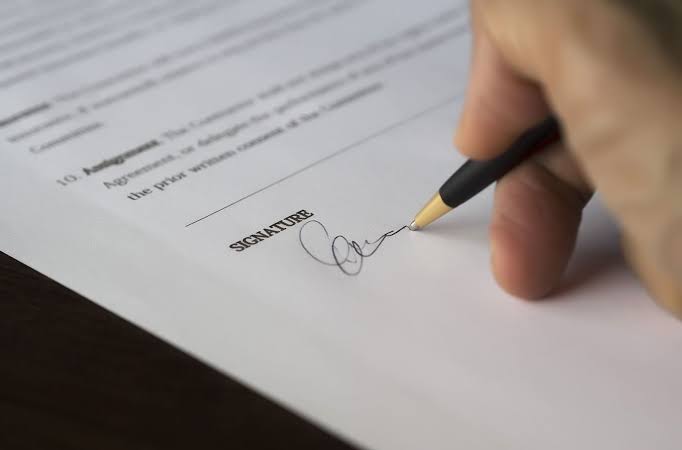
In legal disputes, financial fraud investigations, property conflicts, corporate fraud cases, and criminal proceedings, a signature often becomes the most critical piece of evidence.

A single disputed signature can determine the ownership of property, the validity of a contract, the authenticity of a cheque, or the outcome of a legal case. However, signatures can be forged, manipulated, traced, copied, digitally altered, or created under coercion. When authenticity is questioned, organizations, law firms, financial institutions, and courts rely on Forensic Signature Examination Services to establish the truth through scientific analysis.

At Proaxis Solutions, our forensic experts conduct detailed signature examinations using internationally accepted methodologies to determine whether a signature is genuine, forged, simulated, disguised, or mechanically reproduced. This guide explains what forensic signature examination is, when it is required, the investigation process, and how expert findings support legal and corporate decision-making.

What is Forensic Signature Examination?

Forensic Signature Examination is a specialized branch of forensic document examination that involves the scientific analysis and comparison of signatures to determine their authenticity.

The objective is to establish whether a questioned signature was written by the claimed individual or produced through fraudulent means.

A forensic signature examination may be conducted on:

  • Contracts and agreements
  • Property documents
  • Sale deeds
  • Lease agreements
  • Wills and testaments
  • Banking documents
  • Cheques and financial instruments
  • Insurance claim documents
  • Corporate resolutions
  • Employment agreements
  • Affidavits and declarations
  • Court-submitted documents

The findings are documented in a detailed forensic report that may be used during legal proceedings, internal investigations, arbitration matters, or compliance reviews.

Why Forensic Signature Examination is Important

Signature fraud remains one of the most common forms of document-related fraud across India.

Organizations and individuals often discover forged signatures during:

  • Property ownership disputes
  • Employee misconduct investigations
  • Financial fraud investigations
  • Banking disputes
  • Insurance claim reviews
  • Contract enforcement proceedings
  • Corporate governance investigations

Without professional examination, determining authenticity can be difficult and subjective.

A forensic expert provides an independent scientific opinion supported by evidence, observations, and documented analysis.

When Should You Seek Forensic Signature Examination Services?

Organizations and individuals should consider professional examination when:

  • A signature's authenticity is disputed
  • Fraudulent financial transactions are suspected
  • Property ownership is challenged
  • A will or testament is questioned
  • Contract validity is under dispute
  • Employee misconduct investigations involve documentation
  • Banking fraud is suspected
  • Court proceedings require expert evidence
  • Corporate governance issues arise

Early examination often prevents evidence degradation and supports stronger legal outcomes.

The Forensic Signature Examination Process

A professional forensic examination follows a structured methodology to ensure accuracy, consistency, and legal defensibility.

Step 1: Evidence Collection

The first step involves collecting questioned documents and known signature specimens. Questioned documents include any materials containing the disputed signature, such as contracts, cheques, legal agreements, affidavits, and property documents. Known signature specimens are authentic signatures from the alleged signer, collected from reliable sources like banking records, government documents, official correspondence, and historical records. The quality and quantity of these comparison samples play a crucial role in ensuring accurate examination results.

Step 2: Preliminary Assessment`

During this stage, the forensic expert reviews the document condition, ink characteristics, writing instruments, available comparison samples, and the objectives of the examination. This initial assessment helps determine the most suitable methodology for detailed analysis.

Step 3: Detailed Signature Analysis

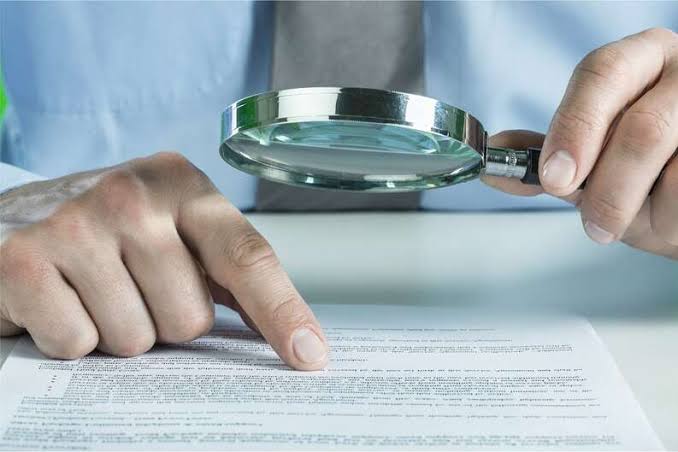
Experts conduct a microscopic and comparative evaluation of various signature characteristics.

  • Line quality is examined to identify smooth, natural strokes versus signs of hesitation, tremors, or irregular movements often seen in forged signatures.
  • Pen pressure is analyzed to understand stroke depth, ink distribution, and pressure variation, which are difficult to replicate accurately.
  • Letter formation is studied by observing initial and terminal strokes, character construction, and connecting strokes, as each writer develops unique habits.
  • Size and proportion are compared by evaluating signature height, width, spacing, and alignment.
  • Slant and direction are assessed to identify consistent writing patterns, with unexpected variations potentially indicating forgery.
  • Speed and rhythm are also examined, as genuine signatures typically show natural flow, while simulated ones often appear slow and deliberate.

Step 4: Instrument-Assisted Examination
Advanced forensic tools are used to enhance observations and detect hidden details. These tools include video spectral comparators, digital microscopes, high-resolution imaging systems, infrared examination equipment, and ultraviolet analysis tools. Such technologies help identify alterations, overwriting, and concealed document characteristics.


Step 5: Comparative Evaluation

The questioned signature is compared against verified specimens to identify similarities, differences, natural variations, and significant deviations. Experts rely on cumulative findings rather than isolated characteristics to form scientifically supported conclusions.

Step 6: Expert Opinion & Reporting

A comprehensive forensic report is prepared, detailing the examination methodology, observations, comparative findings, supporting images, and expert conclusions. This report can be used in civil litigation, criminal investigations, arbitration proceedings, internal corporate investigations, and regulatory inquiries.

Industries That Commonly Require Signature Examination Services

Banking & Financial Institutions
  • Cheque fraud investigations
  • Loan document verification
  • Financial dispute resolution
Legal Firms
  • Contract disputes
  • Property litigation
  • Succession matters
Corporate Organizations
  • Internal fraud investigations
  • Employment disputes
  • Vendor fraud reviews
Insurance Companies
  • Claim verification
  • Fraud detection
  • Policy document examination
Government Agencies
  • Investigation support
  • Regulatory enforcement
  • Public records verification

Why Choose Proaxis Solutions for Forensic Signature Examination?

Proaxis Solutions provides professional forensic document examination services for legal professionals, corporations, financial institutions, and individuals across Bangalore and India.

Our services include:

✔ Forensic Signature Verification

✔ Handwriting Examination

✔ Document Authenticity Analysis

✔ Digital Document Examination

✔ Cheque Fraud Investigation

✔ Expert Witness Support

✔ Court-Admissible Forensic Reports

✔ Corporate Fraud Investigation Support

Our forensic experts follow scientifically validated methodologies and maintain strict confidentiality throughout the investigation process.

Frequently Asked Questions (FAQs)

  1. What is forensic signature examination?
    Forensic signature examination is the scientific analysis of signatures to determine authenticity, identify forgery, and provide expert evidence.

  2. How accurate is forensic signature examination?
    When sufficient comparison samples are available, forensic examination provides highly reliable and scientifically supported conclusions.

  3. Can a forged signature be detected?
    Yes. Most forged signatures exhibit identifiable differences in pressure, rhythm, stroke formation, and execution that trained forensic experts can detect.

  4. Are forensic signature examination reports admissible in court?
    Yes. Reports prepared by qualified forensic experts may be submitted as expert evidence in legal proceedings.

  5. Can digital signatures be examined?
    Yes. Forensic experts can analyze digitally manipulated signatures, scanned signatures, and electronically altered documents.

  6. How long does a forensic signature examination take?
    The duration depends on document complexity, the number of signatures involved, and the availability of comparison samples.

  7. What documents are required for examination?
    Typically, the questioned document and multiple genuine signature specimens are required for comparison.

  8. Can Forensic Signature Examination Detect Digital Signature Fraud?
    Yes. Modern forensic examinations can identify digital manipulation techniques such as signature cut-and-paste, misuse of scanned signatures, document alteration, unauthorized signature insertion, and electronic tampering.

Conclusion

In legal, financial, and corporate disputes, the authenticity of a signature can significantly influence the outcome of an investigation or court proceeding.

Forensic Signature Examination Services provide a scientific, objective, and legally defensible approach to verifying signatures, detecting forgery, and establishing document authenticity.  Whether dealing with a disputed contract, suspected cheque fraud, property dispute, or corporate investigation, professional forensic analysis can help uncover the facts and support informed decisions.


Contact Proaxis Solutions

Need expert assistance with signature verification, handwriting analysis, document examination, or fraud investigations?

Proaxis Solutions offers confidential and professional forensic signature examination services for organizations, law firms, financial institutions, and individuals across Bangalore and India. Contact our forensic experts today to discuss your case and obtain reliable, court-admissible forensic findings.

Source: Internet

For accurate, confidential, and court-ready Signature Forensic Report, connect with us anytime.

Want to know what our clients say? Visit our Google Reviews to get a better understanding of our expertise and service quality. 

If you are looking for Affordable Signature Comparison Services in Karnataka, give us a call on +91 91089 68720 / +91 94490 68720.


Search
Popular categories
Latest blogs
Forensic Signature Examination Services: How Experts Verify Authenticity and Detect Forgery
A Complete Guide to Signature Verification, Handwriting Analysis, and Legal Evidence ExaminationIn legal disputes, financial fraud investigations, property conflicts, corporate fraud cases, and criminal proceedings, a signature often becomes the most critical piece of evidence.A single disputed signature can determine the ownership of property, the validity of a contract, the authenticity of a cheque, or the outcome of a legal case. However, signatures can be forged, manipulated, traced, copied, digitally altered, or created under coercion. When authenticity is questioned, organizations, law firms, financial institutions, and courts rely on Forensic Signature Examination Services to establish the truth through scientific analysis.At Proaxis Solutions, our forensic experts conduct detailed signature examinations using internationally accepted methodologies to determine whether a signature is genuine, forged, simulated, disguised, or mechanically reproduced. This guide explains what forensic signature examination is, when it is required, the investigation process, and how expert findings support legal and corporate decision-making.What is Forensic Signature Examination?Forensic Signature Examination is a specialized branch of forensic document examination that involves the scientific analysis and comparison of signatures to determine their authenticity.The objective is to establish whether a questioned signature was written by the claimed individual or produced through fraudulent means.A forensic signature examination may be conducted on:Contracts and agreementsProperty documentsSale deedsLease agreementsWills and testamentsBanking documentsCheques and financial instrumentsInsurance claim documentsCorporate resolutionsEmployment agreementsAffidavits and declarationsCourt-submitted documentsThe findings are documented in a detailed forensic report that may be used during legal proceedings, internal investigations, arbitration matters, or compliance reviews.Why Forensic Signature Examination is ImportantSignature fraud remains one of the most common forms of document-related fraud across India.Organizations and individuals often discover forged signatures during:Property ownership disputesEmployee misconduct investigationsFinancial fraud investigationsBanking disputesInsurance claim reviewsContract enforcement proceedingsCorporate governance investigationsWithout professional examination, determining authenticity can be difficult and subjective.A forensic expert provides an independent scientific opinion supported by evidence, observations, and documented analysis.When Should You Seek Forensic Signature Examination Services?Organizations and individuals should consider professional examination when:A signature's authenticity is disputedFraudulent financial transactions are suspectedProperty ownership is challengedA will or testament is questionedContract validity is under disputeEmployee misconduct investigations involve documentationBanking fraud is suspectedCourt proceedings require expert evidenceCorporate governance issues ariseEarly examination often prevents evidence degradation and supports stronger legal outcomes.The Forensic Signature Examination ProcessA professional forensic examination follows a structured methodology to ensure accuracy, consistency, and legal defensibility.Step 1: Evidence CollectionThe first step involves collecting questioned documents and known signature specimens. Questioned documents include any materials containing the disputed signature, such as contracts, cheques, legal agreements, affidavits, and property documents. Known signature specimens are authentic signatures from the alleged signer, collected from reliable sources like banking records, government documents, official correspondence, and historical records. The quality and quantity of these comparison samples play a crucial role in ensuring accurate examination results.Step 2: Preliminary Assessment`During this stage, the forensic expert reviews the document condition, ink characteristics, writing instruments, available comparison samples, and the objectives of the examination. This initial assessment helps determine the most suitable methodology for detailed analysis.Step 3: Detailed Signature AnalysisExperts conduct a microscopic and comparative evaluation of various signature characteristics.Line quality is examined to identify smooth, natural strokes versus signs of hesitation, tremors, or irregular movements often seen in forged signatures.Pen pressure is analyzed to understand stroke depth, ink distribution, and pressure variation, which are difficult to replicate accurately.Letter formation is studied by observing initial and terminal strokes, character construction, and connecting strokes, as each writer develops unique habits.Size and proportion are compared by evaluating signature height, width, spacing, and alignment.Slant and direction are assessed to identify consistent writing patterns, with unexpected variations potentially indicating forgery.Speed and rhythm are also examined, as genuine signatures typically show natural flow, while simulated ones often appear slow and deliberate.Step 4: Instrument-Assisted ExaminationAdvanced forensic tools are used to enhance observations and detect hidden details. These tools include video spectral comparators, digital microscopes, high-resolution imaging systems, infrared examination equipment, and ultraviolet analysis tools. Such technologies help identify alterations, overwriting, and concealed document characteristics.Step 5: Comparative EvaluationThe questioned signature is compared against verified specimens to identify similarities, differences, natural variations, and significant deviations. Experts rely on cumulative findings rather than isolated characteristics to form scientifically supported conclusions.Step 6: Expert Opinion & ReportingA comprehensive forensic report is prepared, detailing the examination methodology, observations, comparative findings, supporting images, and expert conclusions. This report can be used in civil litigation, criminal investigations, arbitration proceedings, internal corporate investigations, and regulatory inquiries.Industries That Commonly Require Signature Examination ServicesBanking & Financial InstitutionsCheque fraud investigationsLoan document verificationFinancial dispute resolutionLegal FirmsContract disputesProperty litigationSuccession mattersCorporate OrganizationsInternal fraud investigationsEmployment disputesVendor fraud reviewsInsurance CompaniesClaim verificationFraud detectionPolicy document examinationGovernment AgenciesInvestigation supportRegulatory enforcementPublic records verificationWhy Choose Proaxis Solutions for Forensic Signature Examination?Proaxis Solutions provides professional forensic document examination services for legal professionals, corporations, financial institutions, and individuals across Bangalore and India.Our services include:✔ Forensic Signature Verification✔ Handwriting Examination✔ Document Authenticity Analysis✔ Digital Document Examination✔ Cheque Fraud Investigation✔ Expert Witness Support✔ Court-Admissible Forensic Reports✔ Corporate Fraud Investigation SupportOur forensic experts follow scientifically validated methodologies and maintain strict confidentiality throughout the investigation process.Frequently Asked Questions (FAQs)What is forensic signature examination?Forensic signature examination is the scientific analysis of signatures to determine authenticity, identify forgery, and provide expert evidence.How accurate is forensic signature examination?When sufficient comparison samples are available, forensic examination provides highly reliable and scientifically supported conclusions.Can a forged signature be detected?Yes. Most forged signatures exhibit identifiable differences in pressure, rhythm, stroke formation, and execution that trained forensic experts can detect.Are forensic signature examination reports admissible in court?Yes. Reports prepared by qualified forensic experts may be submitted as expert evidence in legal proceedings.Can digital signatures be examined?Yes. Forensic experts can analyze digitally manipulated signatures, scanned signatures, and electronically altered documents.How long does a forensic signature examination take?The duration depends on document complexity, the number of signatures involved, and the availability of comparison samples.What documents are required for examination?Typically, the questioned document and multiple genuine signature specimens are required for comparison.Can Forensic Signature Examination Detect Digital Signature Fraud?Yes. Modern forensic examinations can identify digital manipulation techniques such as signature cut-and-paste, misuse of scanned signatures, document alteration, unauthorized signature insertion, and electronic tampering.ConclusionIn legal, financial, and corporate disputes, the authenticity of a signature can significantly influence the outcome of an investigation or court proceeding.Forensic Signature Examination Services provide a scientific, objective, and legally defensible approach to verifying signatures, detecting forgery, and establishing document authenticity.  Whether dealing with a disputed contract, suspected cheque fraud, property dispute, or corporate investigation, professional forensic analysis can help uncover the facts and support informed decisions.Contact Proaxis SolutionsNeed expert assistance with signature verification, handwriting analysis, document examination, or fraud investigations?Proaxis Solutions offers confidential and professional forensic signature examination services for organizations, law firms, financial institutions, and individuals across Bangalore and India. Contact our forensic experts today to discuss your case and obtain reliable, court-admissible forensic findings.Source: InternetFor accurate, confidential, and court-ready Signature Forensic Report, connect with us anytime.Want to know what our clients say? Visit our Google Reviews to get a better understanding of our expertise and service quality.
Voice-to-Text Evidence Documentation: Best Practices for Legal Admissibility
In today’s digital-first legal ecosystem, audio evidence has become a critical component in investigations, litigation, corporate disputes, cybercrime inquiries, compliance reviews, and fraud detection. From recorded phone calls and WhatsApp voice notes to surveillance recordings, meeting discussions, and customer interactions, organizations increasingly rely on voice recordings to establish facts and support legal claims.However, possessing an audio recording alone does not guarantee courtroom acceptance. Legal authorities and investigative agencies require digital evidence to meet strict standards of authenticity, integrity, traceability, and admissibility. A poorly documented transcript, missing metadata, altered audio file, or improper evidence handling process can significantly weaken the credibility of the evidence.This is where professional voice-to-text evidence documentation becomes essential.Proaxis Solutions provides specialized digital forensic and forensic transcription services that help organizations, law firms, investigators, and corporate legal teams ensure audio evidence remains accurate, secure, and legally defensible.This blog explores the best practices for voice-to-text evidence documentation, forensic transcription, and legal admissibility while covering the importance of Section 63(4)(c) certification for electronic evidence under India’s updated legal framework.Why Voice-to-Text Evidence Documentation MattersAudio recordings often contain valuable evidence in matters involving: Financial fraud investigations Corporate disputes Cybercrime investigations Employee misconduct cases Harassment complaints Bribery and corruption inquiries Insurance investigations Vendor disputes Criminal investigations Internal compliance reviews While audio files are useful, courts, investigators, and legal teams generally require written transcripts for easier review, analysis, cross-referencing, and courtroom presentation.A professionally documented voice-to-text transcript helps: Simplify evidence review Improve investigation efficiency Establish conversation timelines Enable quick keyword searches Support legal arguments Improve courtroom presentation Assist multilingual interpretation As digital evidence continues to grow, demand for forensic audio transcription services, legal audio documentation, and court-admissible voice transcription services is increasing rapidly across India. Legal Admissibility of Audio Evidence in IndiaDigital evidence must satisfy multiple legal and forensic requirements before being accepted during legal proceedings.For audio evidence to hold evidentiary value, it must demonstrate: Authenticity Integrity Proper chain of custody Accurate transcription Clear speaker identification Absence of tampering Metadata preservation Compliance with electronic evidence laws Under India’s updated legal framework, electronic evidence admissibility is governed through the Bharatiya Sakshya Adhiniyam (BSA) and related provisions under the Bharatiya Nagarik Suraksha Sanhita (BNSS).Electronic records such as: Audio recordings WhatsApp voice notes Digital conversations Emails Call recordings Video recordings may require certification under Section 63(4)(c) for admissibility during legal proceedings.A Section 63(4)(c) certificate helps establish: Authenticity of the electronic record Integrity of the evidence Source verification Legal compliance for admissibility This makes proper digital evidence handling and forensic transcription extremely important for litigation support and investigative accuracy.Best Practices for Voice-to-Text Evidence Documentation1. Preserve the Original Audio RecordingThe original audio file should always remain untouched.Never: Edit the master recording Compress the original file Remove background noise from the source copy Convert formats without documentation Rename files arbitrarily Instead: Create forensic duplicates Preserve original metadata Generate hash values Document acquisition details Securely store original evidence Proper evidence preservation strengthens the credibility and admissibility of digital recordings.2. Maintain a Proper Chain of CustodyChain of custody refers to the documented tracking of evidence from acquisition to courtroom presentation.Every interaction with the recording should be documented, including: Who accessed the file Date and time of access Storage location Transfer history Actions performed on the evidence Improper evidence handling can create doubts regarding tampering or unauthorized modification. Professional forensic documentation ensures transparency and legal defensibility throughout the investigation lifecycle.3. Use Certified Forensic Transcription ServicesMany organizations rely on automated transcription tools, but legal matters require significantly higher accuracy standards.AI-based transcription tools often struggle with: Accents and regional dialects Multiple speakers Background disturbances Legal terminology Contextual interpretation Overlapping conversations Certified forensic transcription services provide: Human-reviewed transcripts Accurate speaker identification Timestamp references Context preservation Confidential handling Court-ready formatting Human-reviewed transcription is particularly important in: Fraud investigations Criminal matters Internal corporate investigations Cyber forensic cases Arbitration disputes 4. Include Precise Timestamp ReferencesTimestamping improves the reliability and usability of transcripts.Example: [00:12:48] Speaker 1: “The funds were transferred yesterday.” Benefits of timestamps include: Faster legal review Easier evidence verification Efficient courtroom referencing Improved forensic analysis Better investigative coordination Timestamped transcripts are commonly required in: Arbitration proceedings Police investigations Corporate litigation Insurance disputes Cybercrime investigations 5. Clearly Identify SpeakersSpeaker identification is a crucial part of forensic transcription.A transcript should clearly distinguish: Primary speakers Unknown participants Interruptions Background conversations Simultaneous dialogue Incorrect speaker attribution can reduce evidentiary credibility.In complex investigations, forensic experts may conduct: Voice comparison analysis Speaker recognition Acoustic profiling Linguistic analysis This is especially useful in: Extortion cases Anonymous threats Financial fraud investigations Corporate misconduct matters6. Preserve Metadata and Technical InformationMetadata plays a major role in establishing authenticity.Audio metadata may contain: Recording date and time Device information File creation details Modification history Encoding specifications Duration and file properties Forensic documentation should include: Original file names Hash values Source device details Acquisition method Storage information Metadata analysis helps investigators detect manipulation and validate evidentiary integrity.7. Conduct Audio Authentication Before TranscriptionBefore creating transcripts for legal use, the recording itself should undergo forensic authentication.Audio forensic authentication helps identify: Audio editing Splicing Voice manipulation Segment deletion Compression artifacts Synthetic voice cloning AI-generated deepfake audio With the rise of AI-generated audio manipulation, forensic audio authentication has become essential for modern litigation and digital investigations.8. Obtain Section 63(4)(c) Certification for Electronic EvidenceUnder the updated Indian legal framework, electronic records may require Section 63(4)(c) certification to establish admissibility.This certification is especially important for: Call recordings WhatsApp chats Voice notes Emails Digital communication records Electronic audio evidence A properly prepared Section 63(4)(c) certificate supports:  Legal admissibility Electronic evidence authenticity Source validation Court compliance 9. Ensure Confidentiality and Secure Evidence StorageLegal recordings often contain highly sensitive information.Best practices include: Encrypted storage Secure evidence transfer Access-controlled systems NDA-based processing Confidential transcription workflows Secure handling is essential for: Corporate investigations Attorney-client matters Healthcare disputes Banking fraud investigations Internal compliance casesCommon Mistakes That Can Affect Legal AdmissibilitySeveral errors can weaken the evidentiary value of audio documentation:Overdependence on AI TranscriptionAutomated tools may produce contextual inaccuracies.Editing Original RecordingsModifying source files creates authenticity concerns.Missing Chain-of-Custody DocumentationImproper tracking weakens evidence credibility.Lack of AuthenticationUnauthenticated recordings may face legal objections.Poor Metadata PreservationMissing technical details can impact forensic analysis.Incorrect Speaker IdentificationMisattribution can damage transcript reliability. Avoiding these mistakes significantly improves the chances of successful admissibility in legal proceedings.How Proaxis Solutions Helps Organizations with Forensic Audio DocumentationProaxis Solutions delivers specialized forensic and digital evidence services for corporates, legal firms, investigators, financial institutions, and government agencies across India.Our services include: Voice-to-text forensic transcription Audio forensic authentication Speaker identification support Digital evidence preservation Section 63(4)(c) certification assistance Audio tampering analysis Chain-of-custody documentation Court-ready forensic reporting Our experts combine forensic expertise, legal awareness, and advanced digital investigation methodologies to ensure evidence remains secure, accurate, and legally defensible.Frequently Asked Questions (FAQs)What is voice-to-text evidence documentation?Voice-to-text evidence documentation is the forensic process of converting audio recordings into legally usable written transcripts while maintaining evidentiary integrity and authenticity.Why is Section 63(4)(c) certification important?Section 63(4)(c) certification helps establish the admissibility and authenticity of electronic records such as audio recordings, voice notes, emails, and digital conversations under India’s updated legal framework.Can audio recordings be used as court evidence?Yes. Audio recordings may be admissible when they are authentic, properly preserved, accurately transcribed, and supported with necessary electronic evidence certification.What is forensic audio authentication?Forensic audio authentication is the scientific examination of recordings to determine whether audio has been edited, manipulated, spliced, or artificially generated.Are AI transcription tools reliable for legal cases?AI transcription tools can assist preliminary review, but human-reviewed forensic transcription is strongly recommended for legal admissibility and accuracy.What industries require forensic transcription services?Industries commonly using forensic transcription include: Legal services Banking and finance Cybersecurity Insurance Healthcare Corporate compliance Government investigationsConclusionVoice recordings have become a powerful source of digital evidence in modern investigations and litigation. However, legal admissibility depends heavily on how the evidence is preserved, authenticated, documented, and presented.Professional voice-to-text evidence documentation involves much more than simple transcription. It requires forensic handling, metadata preservation, speaker verification, timestamping, authentication analysis, and compliance with electronic evidence laws such as Section 63(4)(c) certification requirements.Organizations, investigators, and legal teams must adopt forensic best practices to ensure audio evidence withstands legal scrutiny and supports reliable decision-making. As digital investigations continue evolving, forensic transcription and audio authentication services will remain critical for ensuring evidentiary integrity and courtroom acceptance.Contact Proaxis Solutions for Court-Admissible Audio Evidence ServicesNeed professional support for: Voice-to-text forensic transcription? Audio authentication? Digital evidence preservation? Section 63(4)(c) certification assistance? Proaxis Solutions provides expert forensic audio analysis, legal transcription, digital evidence handling, and courtroom-ready forensic reporting services across India. Connect with our forensic specialists today to ensure your digital evidence remains accurate, authenticated, and legally admissible.Source: InternetFor accurate, confidential, and court-ready Audio Forensic Report, connect with us anytime.Want to know what our clients say? Visit our Google Reviews to get a better understanding of our expertise and service quality.
Forensic Readiness: Why Every Organization Needs It Before a Cyber Incident
In today’s digital-first business environment, organizations are no longer asking if a security incident will occur - but when.From insider data theft and fraud to ransomware and regulatory investigations, the ability to respond quickly, preserve evidence, and investigate effectively has become a critical business requirement.This is where forensic readiness comes in. For organizations across India - especially in high-growth hubs like Bangalore - implementing forensic readiness is no longer optional. It’s a strategic necessity.What is Forensic Readiness?Forensic readiness refers to an organization’s ability to collect, preserve, analyze, and present digital evidence in a way that is: Legally admissible Technically accurate Operationally efficient It ensures that when a cyber incident, fraud, or dispute occurs, the organization is prepared to investigate without delay or data loss. Businesses often implement forensic readiness alongside digital forensic investigation services in India to ensure complete incident response capability.Why Forensic Readiness is Critical for Modern Organizations1. Faster Incident ResponseWithout forensic readiness: Evidence may be lost Logs may be overwritten Response becomes reactive and delayed With forensic readiness: Systems are pre-configured to capture evidence Incident response becomes immediate and structured 2. Legal & Regulatory ComplianceOrganizations must ensure: Proper evidence handling Chain of custody Compliance with Indian IT laws Forensic readiness supports digital evidence certification under Section 63(4)(c), ensuring evidence is admissible in court.3. Stronger Insider Threat DetectionForensic readiness plays a key role in identifying: Employee data theft Unauthorized access Data exfiltration It works in conjunction with insider data theft investigation services in India to detect and investigate internal threats.4. Reduced Financial & Reputational DamageDelayed investigations often lead to: Increased financial loss Prolonged breaches Brand damage Prepared organizations can contain incidents quickly and minimize impact.Key Components of a Forensic Readiness FrameworkA well-designed forensic readiness strategy includes the following elements:1. Evidence Identification & Logging StrategyOrganizations must define: What data needs to be collected Where logs should be stored Retention policies This includes: System logs Network activity Email and communication records User access logs 2. Centralized Log ManagementA centralized system ensures: Logs are not tampered with Data is easily accessible during investigations This is critical for organizations leveraging DFIR services in Bangalore for incident response.3. Data Preservation PoliciesForensic readiness requires: Secure storage of logs and backups Protection against data alteration Automated retention policies 4. Incident Response IntegrationForensic readiness must align with: Incident response plans Cybersecurity protocols Risk management frameworks This ensures seamless coordination during incidents.5. Legal & Compliance AlignmentOrganizations must ensure: Proper documentation Evidence handling procedures Compliance with Indian legal frameworks Many organizations combine this with forensic audit services in Bangalore to strengthen governance.6. Forensic Tooling & InfrastructureHaving the right tools is essential: Forensic imaging tools Data recovery solutions Monitoring and detection systems 7. Training & AwarenessEmployees and IT teams must be trained to: Identify incidents early Avoid tampering with evidence Follow escalation protocols Common Scenarios Where Forensic Readiness is EssentialForensic readiness is critical in situations such as: Insider data theft investigations Corporate fraud and financial irregularities Ransomware and cyberattacks Regulatory audits and compliance checks Legal disputes involving digital evidence Organizations offering corporate internal investigation services often rely on forensic readiness to ensure smooth investigations. How Forensic Readiness Works in PracticeStep 1: Incident OccursSuspicious activity is detected - such as unusual data access.Step 2: Evidence is Automatically CapturedPre-configured systems capture logs, user activity, and system data.Step 3: Investigation Begins ImmediatelyForensic experts analyze data without delays or missing information.Step 4: Evidence is Preserved & AnalyzedAll data is maintained with integrity and examined using forensic tools.Step 5: Reporting & Legal Action A detailed report is generated for internal action or legal proceedings.Challenges Without Forensic ReadinessOrganizations without forensic readiness often face: Loss of critical evidence Incomplete investigations Legal challenges due to improper handling Delayed response times Increased financial damage How to Implement Forensic Readiness in Your OrganizationConduct a Forensic Readiness AssessmentIdentify gaps in logging, monitoring, and evidence handling.Define Policies & ProceduresCreate clear guidelines for: Data collection Incident response Evidence handling Deploy Monitoring & Logging SystemsImplement tools to track system activity and detect anomalies.Integrate with Incident ResponseEnsure forensic readiness aligns with cybersecurity strategies.Partner with ExpertsWorking with experienced providers like Proaxis Solutions ensures: Industry best practices Legal compliance Advanced forensic capabilities Why Choose Proaxis Solutions?Proaxis Solutions offers comprehensive forensic readiness and investigation services across India: Advanced forensic tools and methodologies Certified experts in digital forensics Court-admissible reporting Rapid incident response support Complete confidentiality Frequently Asked Questions (FAQs)What is forensic readiness in cybersecurity?Forensic readiness is the ability of an organization to collect and preserve digital evidence before an incident occurs.Why is forensic readiness important?It ensures faster investigations, legal compliance, and minimal data loss during incidents.How does forensic readiness help in insider threat cases?It enables early detection, evidence preservation, and accurate investigation of insider activities.Is forensic readiness required for compliance in India?While not always mandatory, it is strongly recommended for organizations handling sensitive data and regulatory requirements.What industries need forensic readiness?IT, finance, healthcare, legal, and enterprises handling sensitive data.How is forensic readiness different from incident response?Forensic readiness prepares systems in advance, while incident response deals with events after they occur.Build Your Forensic Readiness TodayDon’t wait for a breach to act.Get forensic-ready with expert support from Proaxis Solutions.
All blogs

We’ll respond within 24 hours