- Upgrade your defenses, not your anxiety. Let’s Talk! Contact Us

Explore Forensics Insights, Case Studies & Expert Blogs

Created by - Proaxis Solutions
Voice Forensics: Analysis, Speaker Identification & Evidence Insights
Let us take you into the captivating world of forensic audio analysis, fellow auditory adventurers! We will explore the intricacies of voice examination and uncover the mysteries hidden in audio recordings in this extraordinary realm, where sound meets science and whispers tell tales. We will take you on an immersive journey to understand the artistry involved in deciphering voices and uncovering truths. Every vocal nuance has significance in the realm of justice, from the lilting cadence of a witness's statement to the thunderous roar of a heated argument recorded on tape. The secrets that lie behind closed doors and hushed conversations can only be revealed by skilled experts using cutting-edge technology. So grab your headphones, adjust your frequencies, and let us embark on an expedition like no other. Together, we'll dissect speech production mechanisms, understand why voice is invaluable evidence in legal proceedings, analyze authenticity with unwavering precision, delve into speaker profiling techniques – all while unmasking deception one syllable at a time. Join us as we uncover how these remarkable voice forensic techniques have become instrumental in shaping our modern-day understanding of justice. Let's dive deep into this intriguing world where sound becomes evidence and silence speaks volumes! Nature of voice and production of speech The human voice is a remarkable instrument, capable of expressing a wide range of emotions and conveying complex messages. It is through our voices that we connect with others, sharing ideas, thoughts, and feelings. But have you ever stopped to wonder how the voice actually works? At its core, the production of speech involves a coordinated effort between various parts of our bodies. When we speak, air from our lungs passes through the vocal cords in our larynx (commonly known as the voice box), causing them to vibrate. These vibrations create sound waves that travel up into our throat and out through our mouth. But it doesn't stop there! The quality and characteristics of each person's voice are determined by factors such as vocal cord length and thickness, shape of the oral cavity, tongue position, nasal resonance, and articulation patterns. These unique elements contribute to what makes your voice distinctive. So next time you open your mouth to speak or sing along to your favorite song on the radio, take a moment to appreciate the intricate process happening within your body. Our voices truly are incredible tools for communication and self-expression! Voice as Evidence and its importance When it comes to solving crimes or resolving legal disputes, evidence is crucial. And while we often think of physical evidence like fingerprints or DNA, there's another type of evidence that can play a significant role: voice. Yes, you read that right - the sound waves that escape our lips can hold invaluable clues and insights. Think about it for a moment. Our voice is as unique as our fingerprint. It carries not only the words we speak but also the distinct tone, pitch, accent, and even subtle nuances that make us who we are. This means that analyzing audio recordings can provide valuable information in cases where identities need to be established or disputed. Voice analysis has become an indispensable tool in forensic investigations. By examining recorded conversations or phone calls, experts can determine if a specific individual was present at a certain location during a crime. Additionally, by comparing voices from different sources, they can identify potential matches between suspects and recorded samples. The importance of voice as evidence cannot be overstated. It adds layers of authenticity and credibility to testimonies and statements made by witnesses or suspects alike. Voice analysis techniques have been instrumental in convicting criminals beyond reasonable doubt but also in exonerating innocent individuals who may have been falsely accused based on faulty eyewitness accounts. So next time you hear someone say "your word against mine," remember that their voice might just tip the scales of justice one way or another! The power of audio examination lies not only in its ability to capture sounds but also its capacity to reveal hidden truths through the artful analysis of human speech patterns. Authenticity and Integrity Examination of Audio Recordings When it comes to audio recordings, ensuring their authenticity and integrity is crucial. In the world of forensic analysis, this process plays a vital role in uncovering the truth. But how exactly do experts determine if an audio recording is genuine or has been tampered with? They analyze the characteristics of the recording itself. This involves examining factors such as background noise, echoes, and any signs of editing or manipulation. By scrutinizing these elements, they can assess if the audio has been altered in any way. Experts pay close attention to time stamps and metadata associated with a recording. These details provide valuable information about when and where the audio was captured. Any inconsistencies or discrepancies could indicate potential tampering. Specialists employ advanced software tools that allow them to perform detailed waveform analysis on the recorded sound waves themselves. By carefully studying these waveforms for irregularities or anomalies, they can gather additional evidence regarding authenticity. The authenticity and integrity examination of audio recordings requires meticulous attention to detail from forensic experts. Through careful evaluation of various aspects like background noise, timestamps, metadata, and waveform analysis techniques - professionals are able to determine whether an audio recording is genuine or manipulated. Forensic Speaker Profiling When it comes to audio analysis, one fascinating aspect is speaker profiling. Just like fingerprints or DNA, our voices are unique to each individual. And with the advancements in technology, voice forensic experts can now analyze recordings and extract valuable information about the speaker. In this intriguing field of study, experts examine various characteristics of a person's voice, such as pitch, tone, cadence, and even accent. These subtle nuances can provide vital clues that help investigators identify individuals involved in criminal activities or verify the authenticity of recorded evidence. By analyzing these vocal traits alongside other contextual information like background noise or speech patterns, speaker profiling enables forensic professionals to create detailed profiles of potential speakers. This invaluable technique has been instrumental in solving many cases where identifying unknown voices played a crucial role. With ongoing research and technological advancements in audio analysis techniques and machine learning algorithms, we can expect even more accurate results from speaker profiling in the future. The ability to identify specific individuals solely based on their voice holds immense potential for law enforcement agencies and legal proceedings alike. The art of speaker profiling not only reveals the uniqueness of our voices but also showcases how cutting-edge technology can unravel hidden truths through sound waves alone. It is yet another testament to how audio analysis continues to revolutionize forensic investigations while ensuring justice prevails. So next time you hear someone say "your voice gives you away," remember just how significant those words truly are! Conclusion Audio analysis is a fascinating and powerful tool that can play a crucial role in forensic investigations. By analyzing various aspects of sound, experts are able to identify potential clues that lead to the identification of criminals or the verification of recorded evidence. In this digital age, where audio recordings are frequently used as evidence in legal cases, the art of audio analysis has become an essential tool for forensic experts. By understanding the nuances of voice forensic techniques, we can unlock valuable insights and uncover hidden truths within audio recordings. From analyzing the nature of voice and speech production to examining authenticity and integrity, voice forensic experts play a crucial role in ensuring that justice is served. With their expertise in voice comparison, call analysis, speaker identification, and speaker profiling, these professionals have the power to shed light on complex cases by providing objective analysis based on scientific methods. The importance of audio authentication cannot be overstated. In a world filled with manipulated media and fake news, being able to verify the authenticity of an audio recording is vital. Forensic techniques enable us to determine if a recording has been tampered with or altered in any way, allowing us to separate fact from fiction. Moreover, through speaker profiling and identification techniques such as voice comparison analysis, it becomes possible to link individuals to specific recorded voices. This not only aids in investigations but also helps establish credibility during court proceedings. As technology continues to advance at a rapid pace, so too does the field of voice forensic science. New tools and methodologies are constantly being developed to enhance accuracy and efficiency in analyzing audio recordings. These advancements will undoubtedly strengthen our ability to extract meaningful information from even the most challenging soundscapes. In conclusion (without explicitly stating it), understanding the intricacies involved in analyzing audio recordings is paramount when it comes to using them as evidence or extracting valuable information for investigations. The art of audio analysis holds immense potential for unravelling mysteries concealed within voices – making it an indispensable component of modern-day forensics. Source: InternetReach out to us any time to get customized forensics solutions to fit your needs. Check out Our Google Reviews for a better understanding of our services and business. If you are looking for Voice Comparison Services in Bangalore, give us a call on +91 91089 68720 / +91 94490 68720.
More details
Created by - Proaxis Solutions
Multimedia Forensics Investigation: Analysis of Audio, Video & Images
Welcome to the digital age, where technology has revolutionized every aspect of our lives, including crime-solving. Gone are the days when detectives relied solely on fingerprints and witness testimonies to crack cases. In today's world, multimedia forensics takes center stage as a powerful tool in unravelling mysteries.From audio recordings and video footage to images and other forms of digital evidence, multimedia forensics enables investigators to delve deep into the intricate web of information at their disposal. So, let's dive into this fascinating realm and explore how it is reshaping the landscape of forensic investigation! What is Multimedia Forensics?Simply put, it's the application of scientific techniques to analyze and interpret digital media for investigative purposes. In other words, it involves examining various forms of multimedia such as audio, video, and images to extract valuable information that can aid in solving crimes.Unlike traditional forensic methods that focus on physical evidence found at crime scenes, multimedia forensics relies on the analysis of digital data. This could include enhancing a low-quality surveillance video to identify a suspect or authenticating an audio recording for use as evidence in court.The field encompasses several specialized areas including audio video analysis, authentication, enhancement, investigation, and examination. Highly skilled forensic experts utilize advanced tools and techniques to uncover hidden details within multimedia files that may hold crucial clues or provide key insights into criminal activities.Multimedia forensics plays a vital role in modern law enforcement by bridging the gap between technology and crime prevention. It allows investigators to leverage the vast amount of digital evidence available today and transform it into actionable intelligence.Intriguingly enough, these cutting-edge methods are not limited to high-profile cases seen on TV shows like CSI; they have become an integral part of real-world investigations across the globe. From cybercrimes to fraud cases, multimedia forensics has proven its value time and time again in bringing criminals to justice.As we continue our journey through this blog post exploring different aspects of multimedia forensics, prepare yourself for a fascinating dive into how this powerful tool is changing the face of crime-solving in our increasingly digitized world!The Importance of Multimedia ForensicsIn today's digital age, where technology is advancing at a rapid pace, multimedia forensics has become increasingly important in solving crimes. The use of audio, video, and image evidence has become crucial in investigations and court proceedings.One of the main reasons why multimedia forensics is so important is because it helps authenticate the integrity of digital evidence. With the widespread availability of editing software and manipulation techniques, it can be difficult to discern what is real and what has been altered. Multimedia forensic experts are trained to analyze these pieces of evidence with precision and accuracy.Another key aspect of multimedia forensics is its role in enhancing low-quality or distorted audio or video recordings. In many cases, critical details may be obscured due to background noise or poor recording conditions. Through advanced analysis techniques, experts can clarify speech patterns, isolate specific sounds or voices, and even restore damaged footage.Multimedia forensics also plays a vital role in examining crime scenes by analyzing surveillance footage or images captured on mobile devices. These visual records can provide valuable insights into suspects' activities before, during, and after a crime has been committed.Overall, the field of multimedia forensics continues to evolve as new technologies emerge.The ability to accurately analyze audio,videos,and images will always remain an essential tool for investigators seeking justice.It's clear that without multimedia forensics expertise,evidence could easily be misinterpreted, resulting in potential wrongful convictions.Thus, multimedia forensic investigation serves as an indispensable component within modern law enforcement agencies worldwide. The Process of Multimedia ForensicsThe process of multimedia forensics involves a systematic approach to analyzing and examining digital evidence, such as audio, video, and image files. It is an intricate and meticulous process that requires specialized tools and techniques.The forensic investigator needs to identify the type of multimedia evidence they are dealing with. This could be a surveillance video, a voice recording, or an image found on a suspect's device. Each type requires different analysis methods.Once identified, the investigator must begin by authenticating the evidence to ensure its integrity and reliability. This involves verifying that the file has not been tampered with or altered in any way.Next comes enhancement and clarification of the multimedia content. This step aims to improve visual details in images or enhance clarity in audio recordings so that even subtle clues can be uncovered.After enhancement, analysis is conducted on various aspects of the multimedia evidence. For example, video analysis may involve identifying individuals or objects in footage using facial recognition technology or comparing it against databases for matches.Examination focuses on understanding how the digital evidence relates to the crime scene or incident under investigation. It may involve reconstructing events based on timelines created from multiple sources of multimedia evidence.This multi-step process helps forensic investigators uncover hidden information embedded within digital media files – crucial for solving crimes in today's digital age! Multimedia Forensics ToolsWhen it comes to solving crimes in the digital age, multimedia forensics tools play a crucial role. These tools are specifically designed to analyze and examine various types of multimedia evidence such as audio, video, and images. By leveraging advanced technology and algorithms, these tools enable forensic experts to authenticate, enhance, and investigate digital evidence with precision.One popular tool used in multimedia forensics is audio-video analysis software. This powerful tool allows investigators to compare voices or audio recordings from different sources and determine their authenticity. It can also be used for voice identification purposes when matching a suspect's voice with recorded evidence.Another essential tool in this field is image analysis software. With this sophisticated tool, forensic analysts can extract detailed information from images like facial recognition or object identification. This helps law enforcement agencies identify suspects based on CCTV footage or other visual evidence collected at crime scenes.In addition to these specialized tools, there are also general-purpose multimedia analysis software available that can analyze multiple types of data simultaneously. These versatile tools often provide features like metadata extraction, file format validation, and timestamp verification.The beauty of using multimedia forensics tools is that they not only expedite the investigation process but also ensure accuracy and reliability in analyzing digital evidence. With their help, investigators can uncover hidden details within media files that may lead them closer to solving complex cases.As technology continues to advance, the field of forensic investigation must adapt and evolve. Multimedia forensics has emerged as a crucial discipline in solving crimes in the digital age. By harnessing the power of audio, video, and image analysis, experts can uncover valuable evidence that may have otherwise gone unnoticed.The importance of multimedia forensics cannot be overstated. In today's society where digital evidence plays a significant role in criminal investigations, it is essential to have experts who can authenticate and enhance multimedia materials for analysis. Whether it's deciphering low-quality surveillance footage or extracting hidden information from an audio recording, these tools are invaluable in reconstructing events and identifying perpetrators.The process of multimedia forensics involves several steps: collection and preservation of digital evidence, examination and analysis using specialized tools and techniques, authentication to establish its credibility, enhancement for improved visibility or audibility if necessary. Each stage requires expertise and attention to detail to ensure accuracy in presenting findings.Fortunately, there are various multimedia forensic tools available to aid investigators in their work. These software programs offer features such as video stabilization, noise reduction algorithms for clearer audio playback,image authentication algorithms,and more.These tools enable professionals to analyze data efficiently, present clear evidence, and provide expert testimony when needed.ConclusionMultimedia forensics is a vital toolset used by investigators worldwide. It allows them to unlock hidden details within audio recordings,videos,and images while maintaining integrity. Advancements in technology will continue to shape this field,enabling even greater precision and accuracy. Criminals beware – no matter how well you think you've covered your tracks; the power of multimedia forensics may just shine a light on your misdeeds! Source: InternetReach out to us any time to get customized forensics solutions to fit your needs. Check out Our Google Reviews for a better understanding of our services and business. If you are looking for Audio Video Authentication Services in Bangalore, give us a call on +91 91089 68720 / +91 94490 68720.
More details
Created by - Proaxis Solutions
Forensic Evidence: Role, Importance & Impact in Investigations
Hey there, crime scene enthusiasts and detective wannabes! Are you ready to dive into the intriguing world of forensic investigations? Today, we're going to uncover the key role that evidence plays in solving crimes. From bloodstains to fingerprints, fibres to DNA, each piece of evidence holds valuable clues that can crack open even the most puzzling cases.But before we jump into the nitty-gritty details, let's take a moment to understand what exactly forensic evidence all is about. Think of it as a puzzle where every fragment leads us closer to unravelling the truth behind a crime. It's like being part of an exhilarating game where science and investigation collide.So grab your magnifying glass and put on your detective hat because we're about to embark on an adventure through the fascinating world of forensic evidence. Get ready for some mind-blowing revelations and jaw-dropping discoveries! Let's get started!Categories of Forensics EvidenceForensics investigations involve the examination and analysis of various types of evidence to uncover the truth behind a crime. Let's dive into the different types of forensic evidence that play a crucial role in these investigations.We have physical evidence, which includes items such as fingerprints, footprints, DNA samples, weapons, and clothing. Physical evidence provides valuable clues about what happened at a crime scene and can link suspects to the scene or victims.Next up is documentary evidence. This type includes documents such as contracts, letters, emails, or any written record that may be relevant to a case. Document examination experts analyze these materials for authenticity and can uncover hidden information that could prove vital in solving a crime.Another important category is trace evidence. These are small but significant pieces of material found at a crime scene or on individuals involved in the incident. Examples include fibers from clothing or carpeting, hair strands or skin cells left behind by an assailant. Through careful analysis by forensic scientists specializing in trace elements like chemistry or microscopy can help build connections between suspects and victims.Lastly we have digital evidence which has become increasingly important with advancements in technology. Digital forensics involves extracting data from electronic devices such as computers, smartphones or surveillance footage to identify potential perpetrators or uncover hidden information related to criminal activities.These are just some of the main types of forensic evidence used during investigations! Each one plays an essential role in helping investigators piece together the puzzle surrounding crimes!Sections and Functions of Crime LaboratoriesCrime laboratories play a vital role in forensics investigations. These specialized facilities are where evidence is analyzed, examined, and processed to unravel the truth behind criminal activities. Let's take a closer look at the sections and functions of crime laboratories.One important section within a crime laboratory is the DNA analysis unit. Here, experts use advanced techniques to extract DNA from various types of evidence such as bloodstains or hair follicles. By comparing this genetic material with known samples, they can identify individuals involved in crimes or rule out potential suspects.Another crucial section is the firearms examination unit. Firearms and their related components often leave unique marks on bullets and cartridge casings. Highly trained examiners carefully analyse these markings using sophisticated equipment to determine if a particular weapon was used in a crime.The drug analysis unit plays an essential role in testing substances seized during investigations for illegal drugs or toxic substances. Utilizing chemical tests and state-of-the-art instrumentation, analysts identify controlled substances accurately, helping law enforcement build stronger cases against drug traffickers.Last but not least is the trace evidence unit that examines materials like fibres, paint chips, glass fragments, and even soil particles found at crime scenes or on victims' clothing. Through meticulous examination under microscopes and other scientific methods, trace evidence experts provide valuable information that links suspects to specific locations or objects.These are just some of the many sections found within crime laboratories across the world. Each division performs critical tasks that contribute to solving crimes by providing expert analysis based on scientific principles – making them an indispensable part of any forensic investigation.Importance of Evidence in forensics investigationsWhen it comes to forensics investigations, evidence plays a crucial role in unravelling the truth. It serves as the backbone of any investigation, providing valuable insights into what transpired during a crime or incident. Without solid evidence, it becomes challenging for investigators and forensic experts to build a strong case.Evidence helps establish facts and corroborate witness statements. Eyewitness accounts can be unreliable at times due to memory lapses or biases. However, physical evidence such as fingerprints, DNA samples, or surveillance footage can provide concrete proof of who was present at the scene of the crime.Evidence enables forensics experts to conduct rigorous examinations and analysis. Through advanced techniques and technologies available in crime laboratories, experts can uncover hidden details that may not be visible to the naked eye. These findings can help reconstruct events accurately and identify potential suspects.Furthermore, evidence allows for proper documentation and preservation of important information related to a case. This ensures that all relevant data is recorded accurately from the start until its conclusion. Such meticulous record-keeping is vital for maintaining transparency throughout an investigation process.Lastly but most importantly, evidence acts as a foundation for justice within our legal system. It provides credibility to both prosecution and defense arguments during trial proceedings by supporting claims with hard facts rather than mere assumptions or speculations.In summary, the importance of evidence cannot be overstated in forensic investigations. It's like putting together puzzle pieces that ultimately reveal the whole picture. Without clear-cut evidence, justice would remain elusive, and criminals could go unpunished.ConclusionIn the world of forensics investigations, evidence plays a critical role in solving crimes and bringing justice to those affected. From DNA analysis to fingerprint identification, every piece of evidence tells a story that can unravel the truth behind even the most complex cases.Remember: Evidence speaks louder than words!Throughout this article, we have explored the various types of forensic evidence, delved into the inner workings of crime laboratories, and highlighted the importance of evidence in these investigations. By understanding how crucial evidence is in uncovering facts and connecting dots, we gain a deeper appreciation for the meticulous work conducted by forensic experts.From examining microscopic fibers under a microscope to analyzing digital footprints left behind on devices, forensic scientists leave no stone unturned when it comes to gathering and analyzing evidence. Their dedication ensures that justice is served, and innocent lives are protected.So next time you watch a crime show or read about an intriguing case in the news, think about all the hard work that goes on behind-the-scenes at crime laboratories. The tireless efforts made by these professionals’ help bring closure to victims' families and ensure that criminals are held accountable for their actions.Whether it's through DNA profiling or ballistics analysis, evidence provides valuable insights into criminal activities – leaving no room for doubt or speculation. So let's continue to appreciate the significance of evidence in forensic investigations and support those who tirelessly work towards delivering justice.Source: InternetReach out to us any time to get customized forensics solutions to fit your needs. Check out Our Google Reviews for a better understanding of our services and business. If you are looking for Private Forensics Labs in Bangalore, give us a call on +91 91089 68720 / +91 94490 68720.
More details
Created by - Proaxis Solutions
Unnatural Death Investigation: Causes, Analysis & Forensic Insights
Welcome, curious minds, to a world where secrets are whispered in hushed tones and truth lies hidden beneath life's final breath. Today, we embark on a journey into the realm of forensic medicine, where every cadaver speaks volumes about the untold stories that led to their demise.In this captivating exploration of post-mortems and autopsies, we'll delve beyond the surface of natural deaths and venture into the enigmatic realm of unnatural demises. Brace yourselves as we uncover the chilling truths that lie within dead bodies and shed light upon mysteries that were once buried with them.So, grab your magnifying glass, don your detective cap, and let's unravel these perplexing tales together!Understanding Post-mortemsHave you ever wondered what goes on behind closed doors in the realm of forensic medicine? Enter the fascinating world of post-mortems, where science and curiosity merge to unlock the secrets concealed within lifeless bodies.During these intriguing investigations, post-mortems are conducted to determine the cause and manner of death. But when exactly are they carried out? Typically, they take place in cases of suspicious deaths, accidents, homicides, or whenever a medical practitioner suspects foul play. It's like stepping into an episode of your favorite crime-solving drama!Now let's peer beneath the surface and discover what unfolds during a post-mortem examination. Picture a sterile room adorned with gleaming instruments as skilled pathologists meticulously dissect each layer - peeling back skin and unveiling hidden stories etched upon muscles and organs.But it doesn't end there! Once all evidence has been gathered from this meticulous dissection process, samples may be extracted for toxicology tests or DNA analysis. These invaluable pieces complete the puzzle that tells us so much about how one met their untimely demise.So, prepare yourself for an expedition into uncharted territory; we're about to venture even deeper into understanding why post-mortems hold such significance in unraveling mysteries that lie beyond natural causes! When post-mortems are carried outWhen post-mortems are carried out, it's usually a time of great mystery and intrigue. These examinations don't happen randomly or without reason; there are specific circumstances that trigger the need for such investigations.Post-mortems are commonly conducted when an individual dies suddenly and unexpectedly. It could be due to accidents, suicides, or even homicides. In these cases, a thorough examination is crucial to uncover any underlying causes or potential foul play.Post-mortems may also be performed when a death occurs during medical procedures or treatments. This ensures that proper protocols were followed and helps identify any errors that might have contributed to the unfortunate outcome.Furthermore, if someone dies while in police custody or under suspicious circumstances, a post-mortem becomes essential in determining whether excessive force was used or if there was any criminal involvement.Certain diseases with unclear symptoms may require further investigation through post-mortem examinations. This can help shed light on rare medical conditions and provide valuable insights for future research and treatment options.In conclusion, post-mortems aren't just undertaken randomly but rather serve specific purposes in unravelling the mysteries surrounding unnatural deaths. They provide answers where confusion lingers and offer closure for grieving families seeking justice. What happens during a post-mortem?What happens during a post-mortem? Well, brace yourself, because we're about to dive into the fascinating world of forensic medicine! During a post-mortem examination, also known as an autopsy, highly skilled pathologists uncover the secrets hidden within the deceased's body. It's like solving a puzzle with clues that can reveal important information about how and why someone met an untimely demise.First off, let's talk about incisions. Pathologists make precise cuts on the body to access different organs and tissues for examination. From head to toe, no stone is left unturned in their quest for answers. They carefully dissect each organ, checking for abnormalities or injuries that might shed light on what led to death.Next up is sampling. The pathologist takes samples from various parts of the body - blood, tissue, fluids - you name it! These samples are then sent off for further analysis to detect any toxic substances or diseases lurking beneath the surface. It's like sending out detectives on a mission!But wait... there's more! X-rays and imaging techniques play a vital role too. By capturing detailed images of bones and internal structures using radiology equipment such as CT scans or MRI machines, pathologists can unravel even deeper mysteries that may have been missed during physical examination alone.Lastly comes documentation – every step taken during the post-mortem is meticulously recorded in detail; measurements noted down; photographs captured; conclusions drawn. This comprehensive documentation serves as evidence later on when presenting findings in courtrooms or helping families find closure.So now you know what goes down during a post-mortem examination – it’s equal parts scientific investigation and detective work combined! Stay tuned as we unravel more mysteries surrounding unnatural deaths and delve deeper into this captivating field of forensic medicine.What happens after a post-mortem?Once the post-mortem examination is completed, there are a few important steps that follow. First and foremost, the body is carefully reassembled before being prepared for burial or cremation. This process requires utmost care and respect to ensure that the deceased can be laid to rest with dignity.Next, all findings and observations from the post-mortem examination are documented in a detailed report. This report serves as an essential piece of evidence in legal investigations and insurance claims related to the death. It provides valuable insights into the cause of death and any contributing factors that may have played a role.In cases where foul play or criminal activity is suspected, forensic samples such as blood, tissue samples or DNA swabs may be taken during the post-mortem examination. These samples are then sent to specialized laboratories for further analysis and testing. The results obtained from these tests can often provide crucial evidence in solving crimes or identifying potential suspects.If necessary, additional expert opinions may be sought regarding specific aspects of the case. For example, if there were complex medical conditions involved in the death, a specialist pathologist might be consulted to provide further insights into these issues.What happens after a post-mortem plays a vital role not only in providing closure for loved ones but also in ensuring justice is served when unnatural deaths occur under suspicious circumstances. By following proper protocols and conducting thorough investigations, forensic medicine continues to unravel mysteries surrounding unnatural deaths with precision and integrity. Legal Importance of Forensic AutopsyForensic autopsies play a crucial role in the legal system, serving as powerful tools to uncover the truth behind unnatural deaths. These examinations provide invaluable evidence that can be used to determine cause and manner of death, identify potential suspects or responsible parties, and bring justice to those who have been wronged.In criminal investigations, forensic autopsies help establish if foul play was involved. They can reveal vital details such as signs of trauma or injuries, toxic substances in the body, or any other evidence that may lead investigators closer to solving a crime. The findings from these autopsies can significantly impact legal proceedings by providing insight into what truly happened leading up to an individual's demise.Additionally, forensic autopsies are instrumental in cases where negligence or malpractice is suspected. Whether it involves medical professionals or other individuals responsible for someone's well-being, these post-mortem examinations enable experts to examine whether standard procedures were followed correctly and if there were any deviations that could have contributed to the person's untimely death.Furthermore, autopsy reports serve as essential documents for insurance claims and compensation lawsuits related to accidental deaths. By thoroughly examining the deceased's body and collecting pertinent data regarding their health condition prior to passing away, coroners can provide valuable information supporting claims made by family members seeking financial retribution due to loss of income or emotional distress caused by negligence.In conclusion (without explicitly stating so), forensic autopsies transcend beyond natural causes by revealing critical insights about unnatural deaths. Through meticulous examination techniques carried out during post-mortems and collaboration with various disciplines within forensics science - including pathology, toxicology, anthropology - these examinations contribute immensely towards unravelling mysteries surrounding suspicious deaths.To protect society from harm caused by criminals walking free and ensure accountability for negligent actions resulting in wrongful death – we must continue valuing the importance of forensic autopsy practices while striving for advancements in technology and research. By doing so, we can shine a light on the darkness surrounding. Source: InternetReach out to us any time to get customized forensics solutions to fit your needs. Check out Our Google Reviews for a better understanding of our services and business. If you are looking for Medicolegal Consultancy Services in Bangalore, give us a call on +91 91089 68720 / +91 94490 68720.
More details
Created by - Proaxis Solutions
DNA Paternity Testing: How DNA Determines Fatherhood Accurately
Welcome to the fascinating world of DNA testing, where science meets curiosity and unlocks the secrets hidden within our genetic code. In this blog post, we will delve into the realm of paternity testing - a powerful tool that can determine fatherhood with remarkable accuracy. Whether you're a soon-to-be parent seeking reassurance or involved in a legal dispute over parental rights, understanding the science behind paternity testing is essential.But what exactly is DNA paternity testing? How does it work? And why is establishing paternity so important? Join us as we unravel these questions and explore the incredible advancements in DNA technology that make paternity testing more reliable than ever before. So sit back, buckle up, and get ready to embark on an enlightening journey into the intricate world of genetics! What is DNA paternity testing?It's like a scientific detective game, where the clues are hidden in our genes. This fascinating process uses DNA analysis to determine if an individual is the biological father of a child. It involves comparing specific regions of DNA between the potential father and child to identify any similarities or differences.A sample is collected from both individuals – usually through a simple cheek swab. Then, scientists examine these samples in the lab and analyze their genetic makeup. By studying certain markers within the DNA sequences, they can establish whether there is a match between father and child.The results of a DNA paternity test are incredibly accurate – with probabilities often exceeding 99%. This means that it can provide definitive answers when it comes to establishing biological relationships. Whether you're seeking peace of mind or need legal proof for custody battles or inheritance claims, DNA paternity testing offers an invaluable tool for resolving such important matters. The Importance of Establishing PaternityWhen it comes to the science of paternity testing, one cannot dismiss the importance of establishing paternity. This process not only brings peace of mind and closure, but also holds significant legal and emotional implications for all parties involved.Establishing paternity is crucial for a child's well-being. Knowing their biological father can provide a sense of identity and belonging, leading to improved self-esteem and overall mental health. Additionally, having access to both parents' medical history ensures that any hereditary conditions are properly addressed from an early age.Determining paternity plays a vital role in securing financial support for the child. By legally establishing who the father is, custodial parents can seek child support payments which contribute towards the upbringing of their child. This financial stability enables access to quality education, healthcare services, and a comfortable living environment.Establishing paternity helps foster healthy parent-child relationships. It allows fathers to take on their responsibilities with confidence and actively participate in important decisions regarding their children's lives. Moreover, knowing one's roots creates opportunities for building strong family bonds that last a lifetime.Overall, the significance of establishing paternity cannot be overstated; it impacts various aspects such as emotional well-being, financial stability for the child's future needs, and fostering healthy parent-child relationships. DNA profiling and its role in paternity testingDNA profiling plays a crucial role in paternity testing, helping to determine the biological relationship between a child and their alleged father. So, how exactly does it work?DNA profiling involves analyzing specific regions of an individual's DNA to create a unique genetic fingerprint. This fingerprint is like a barcode that can be compared with others to establish familial relationships. In paternity testing, the DNA profiles of the child and alleged father are compared to see if they share enough genetic markers to confirm or exclude his paternity.The process starts by collecting samples from both individuals, typically through cheek swabs or blood tests. These samples are then sent to a laboratory where scientists extract and examine the DNA. By comparing hundreds of thousands of genetic markers between the two profiles, they can determine whether there is enough similarity for them to be biologically related.With advancements in technology, modern methods such as polymerase chain reaction (PCR) have made it easier and more accurate to perform DNA profiling for paternity testing purposes. PCR allows scientists to amplify small amounts of DNA so that even minute samples can yield useful results.DNA profiling plays a vital role in establishing paternity by comparing the unique genetic fingerprints of an alleged father and child. Through advanced techniques like PCR, scientists can analyze their shared genetic markers accurately. The results obtained from these tests provide valuable evidence when determining legal rights and responsibilities regarding parenthood. Advancements in DNA technology and testing proceduresAdvancements in DNA technology and testing procedures have revolutionized the field of paternity testing, making it more accurate and accessible than ever before. Scientists are continually pushing the boundaries, developing new techniques and tools to ensure reliable results.One major advancement is the development of PCR (polymerase chain reaction), a technique that allows scientists to amplify small amounts of DNA for analysis. This has dramatically increased the sensitivity of paternity tests, enabling them to detect even minute traces of genetic material.Another breakthrough is the use of SNP (single nucleotide polymorphism) analysis in paternity testing. By examining specific variations in DNA sequences, scientists can determine if a child shares genetic markers with a potential father. This method provides highly accurate results and has become widely accepted as an alternative to traditional DNA profiling.Additionally, advancements in laboratory equipment have streamlined the testing process, reducing turnaround times and increasing efficiency. Automated systems now enable technicians to analyze samples quickly and accurately, ensuring faster results for anxious parents seeking answers about their child's biological father.These advancements highlight how far DNA technology has come in determining paternity conclusively. As researchers continue to innovate and refine these techniques, we can expect even greater accuracy and accessibility in future years. Paternity tests will continue to play a vital role in establishing relationships between fathers and children with unwavering precision thanks to ongoing advancements in DNA technology. Paternity testing as legal evidencePaternity testing isn't just about satisfying curiosity or easing doubts; it can also have significant legal implications. In many cases, establishing paternity is crucial for legal matters such as child custody, visitation rights, and child support. DNA testing provides concrete evidence that can be presented in court to determine the biological relationship between a father and a child.When it comes to legal proceedings, accuracy and reliability are of utmost importance. DNA paternity tests have become widely accepted as admissible evidence in courts around the world due to their high level of accuracy. The results from these tests are based on scientific analysis of genetic markers unique to each individual, making them highly reliable when determining paternity.The use of DNA paternity testing as legal evidence has revolutionized family law cases. It eliminates the need for lengthy disputes or unreliable testimonies by providing undeniable proof of biological relationships. This ensures fair and just outcomes when decisions regarding parental rights and responsibilities are being made.DNA paternity testing serves not only personal purposes but also plays a vital role in the legal system. Its ability to provide accurate results makes it an invaluable tool in resolving complex family law issues. Whether you're seeking peace of mind or navigating through a legal battle, this scientific breakthrough offers certainty where it matters most – establishing the truth about fatherhood! ConclusionIn a world where science continues to evolve, DNA testing has revolutionized many aspects of our lives. When it comes to determining paternity, DNA testing provides an accurate and reliable solution. Through the analysis of genetic material, we can unravel the mysteries of parentage and establish kinship.Paternity testing plays a crucial role in various scenarios - legal matters such as child custody cases, inheritance claims, immigration cases, or simply for personal reasons. It offers undeniable proof that can have life-altering implications for individuals involved.Thanks to advancements in DNA technology and testing procedures, paternity tests have become more accessible than ever before. With just a simple cheek swab or blood sample, laboratories can analyze specific regions of the DNA to determine if there is a biological relationship between two individuals.The accuracy rates of modern-day paternity tests are incredibly high—often exceeding 99%. This level of certainty not only provides peace of mind but also ensures fairness when it comes to legal disputes involving parental rights and responsibilities.Moreover, the use of paternity test results as evidence in court has solidified its importance in establishing legal fatherhood. The scientific validity and reliability make it difficult for any party to challenge these results effectively.By shedding light on the truth about parentage through DNA profiling techniques, we can strengthen family bonds while also ensuring that children receive necessary emotional support and financial stability from both parents.DNA testing has proved itself as an invaluable tool in determining fatherhood with unrivaled accuracy. It empowers individuals by giving them answers they seek while providing undeniable evidence when needed most. As science continues to advance at lightning speed, who knows what other breakthroughs await us? For now though, we can rest assured knowing that when it comes to unraveling the mysteries behind paternity—DNA holds all the answers! Source: InternetReach out to us any time to get customized forensics solutions to fit your needs. Check out Our Google Reviews for a better understanding of our services and business. If you are looking for Paternity Testing Service in Bangalore, give us a call on +91 91089 68720 / +91 94490 68720.
More details
Created by - Proaxis Solutions
Document Forensics Analysis: Key Techniques for Accurate Verification
Hey there, fellow sleuths and crime enthusiasts! Are you ready to dive into the fascinating world of forensic document examination? If you've ever wondered how handwriting experts analyze signatures or detect forgery in legal cases, then this blog post is for you. We'll explore the principals involved in questioned document examination, the techniques used by forensic document examiners, and the importance of their work in legal settings. So grab your magnifying glass and let's get started on this thrilling investigation into the world of forensic document analysis!Principle involved in Questioned Document examination.When it comes to questioned document examination, there are a few key principles that forensic experts follow. First and foremost, they analyze the authenticity of documents by comparing known samples with unknown or disputed ones. This involves scrutinizing various aspects such as handwriting style, signature characteristics, paper type, ink analysis, and even the presence of any alterations or erasures.Additionally, forensic document examiners rely on scientific methods to determine if a document has been tampered with or forged. They use specialized equipment like magnifiers and microscopes to closely examine every detail of the document in question. By carefully analyzing the strokes, pressure patterns, line breaks, and other unique features of handwriting or signatures, these experts can uncover inconsistencies that may indicate fraud.Furthermore, forensic document examiners also consider contextual factors when conducting their analysis. They take into account the circumstances surrounding the creation of a document - was it written under duress? Were there any emotional factors involved? By understanding the context in which a questioned document was produced or signed, these professionals can provide valuable insights into its authenticity. So you see my friends, questioned document examination is not just about looking for discrepancies; it's an intricate process that combines expertise in handwriting comparison with scientific techniques and contextual understanding. It's like solving puzzles using clues hidden within ink strokes! In our next section we'll explore some common techniques used by forensic document examiners - get ready for some real detective work!The Role of a Forensic Document ExaminerWhen it comes to investigating crimes and legal disputes, forensic document examiners play a crucial role in providing valuable insights. These experts are trained to analyse documents, such as handwriting samples and signatures, with the aim of determining their authenticity. Their expertise is often sought after in cases involving forgery, fraud, or disputed wills.A forensic document examiner's primary responsibility is to examine various aspects of a document for evidence that can help establish its origin or uncover any attempts at tampering. They meticulously compare handwriting styles to identify inconsistencies or similarities between different documents. By studying the unique characteristics of an individual's writing habits and patterns, they can determine if a particular signature or handwritten note is genuine.In addition to handwriting analysis, forensic document examiners also employ advanced techniques like microscopic examination and ink analysis to detect alterations or counterfeit materials used in documents. They may examine paper fibres, ink types, watermarks, printing methods - all with the objective of establishing the truth behind questioned documents. Their findings are then presented as expert testimony in court proceedings where they explain their analysis process and present their conclusions based on scientific principles. Their role goes beyond simply examining documents; they act as impartial professionals who provide unbiased opinions based on thorough investigation and examination.Forensic document examination continues to evolve alongside technological advancements. New tools like electronic imaging systems have made it easier for examiners to compare digital signatures while advances in software algorithms have enhanced their ability to spot subtle differences or manipulations within scanned documents. The significance of forensic document examination cannot be overstated when it comes to resolving legal disputes effectively. It provides invaluable evidence that helps both prosecutors and defense attorneys build strong cases by either confirming or disproving the authenticity of questioned documentation.To sum up, the role of a forensic document examiner is vital in ensuring justice prevails by unravelling hidden truths within questionable paperwork through meticulous analysis using scientific methodologies.Techniques and Processes in Forensic Document ExaminationSo, you've got a questioned document on your hands, and you need some expert help to unravel its secrets. Well, fear not because the process of examining these mysterious pieces of writing is nothing short of fascinating! Let's take a peek behind the curtain and see how the experts work their magic.First up, we have indented writing analysis. This technique involves carefully examining documents for any impressions left behind by previous writings. It's like uncovering hidden messages in invisible ink! Next, we have low angle light & photography. By shining light at different angles and capturing images from various perspectives, investigators can reveal subtle details that may be missed by the naked eye alone.But wait, there's more! We also have electrostatic detection apparatus (or ESDA for short). This nifty device uses static electricity to pick up faint indentations or markings on paper. It's like using sci-fi technology to solve real-life mysteries! And if that wasn't enough, there's video spectral analysis for questioned documents. By breaking down different wavelengths of light, this method can enhance certain features or reveal alterations made to a document. In this intricate web of forensic techniques and cutting-edge tools lies one common thread - standards. The meticulous process followed by experts ensures that every examination is conducted with precision and accuracy. From establishing a chain of custody for the document to following recognized protocols, adherence to these standards guarantees reliable results.Now that you're familiar with some aspects of the delightful journey through questioned document examination, prepare yourself for even more fascinating insights as we introduce our featured expert – an experienced hand in deciphering handwriting mysteries! Stay tuned because things are about to get even more intriguing!Indented Writing AnalysisIndented Writing Analysis is like a detective uncovering hidden secrets. It involves examining the impressions left on a piece of paper from the pressure applied while writing on the top sheet. The expert looks for evidence of previous writings that may have been erased or obliterated.By carefully studying these indentations, experts can decipher what was written and uncover valuable information that may have otherwise gone unnoticed. They use specialized tools such as oblique lighting and alternative light sources to enhance the visibility of these hidden messages.Indentation analysis is like peering into someone's private thoughts, revealing clues that can help solve mysteries and unravel deception. It's a fascinating process where every indentation tells a story waiting to be discovered by skilled document examiners.Low Angle Light & PhotographyWhen it comes to examining questioned documents, experts employ various techniques to uncover hidden clues and reveal the truth. One such technique is the use of low angle light and photography. By shining a light at a low angle onto the document, subtle details that may have been missed by the naked eye can be brought into focus.This method allows examiners to detect alterations or additions made to a document, as well as indentations left behind by previous writings. The angle of the light casts shadows in different directions, making any discrepancies more apparent. Photographs taken under this lighting condition provide valuable evidence that can be further analyzed for signs of deception or forgery. So next time you think you can get away with altering an important document, remember that even something as simple as low angle light could expose your deceit!Electrostatic Detection ApparatusHave you ever watched a crime show where the forensic experts use fancy gadgets to catch the culprit? Well, one of those cool tools is the Electrostatic Detection Apparatus. This nifty device uses electrostatic charges to uncover hidden information on questioned documents.The Electrostatic Detection Apparatus works by applying an electrical charge to the document's surface, causing any previously invisible impressions or indentations to become visible. It's like magic! By revealing these hidden marks, experts can gather valuable clues and evidence that may help solve a case. So next time you're watching your favourite detective drama, keep an eye out for this impressive piece of technology in action!Video Spectral Analysis for Questioned DocumentsWhen it comes to unraveling the mysteries hidden within questioned documents, investigators have an impressive array of tools at their disposal. One such tool is Video Spectral Analysis. This cutting-edge technique allows experts to uncover invisible or altered information within a document by analyzing its spectral characteristics.Video Spectral Analysis works by examining the different wavelengths of light reflected or emitted by an object. By capturing high-resolution video footage under controlled lighting conditions, forensic experts can identify minute changes in color and texture that may indicate tampering or forgery. These subtle alterations are often imperceptible to the naked eye but can be detected using advanced technological analysis.With Video Spectral Analysis, even the most skilled fraudsters will find it difficult to hide their tracks. By revealing discrepancies in ink composition or highlighting erased markings, this technique provides valuable evidence for determining the authenticity and integrity of questioned documents. So next time you come across a questionable piece of writing, remember that there's more than meets the eye - and Video Spectral Analysis might just be the key to unlocking its secrets!ConclusionIn a world where technology continues to advance at an astonishing pace, forensic document examination remains a vital tool in the field of investigation. By employing techniques such as signature analysis, handwriting comparison, forgery detection, and document authentication, forensic document examiners play a crucial role in uncovering the truth.Throughout this article, we have explored the principals involved in questioned document examination and delved into the various techniques and processes used by forensic document examiners. We have also discussed the challenges they face as well as advancements in this fascinating field. Forensic document examination is not just about solving crimes; it is about seeking justice and ensuring that innocent individuals are protected from false accusations. The expertise of these professionals can make all the difference when it comes to determining authenticity or detecting deception within documents.The importance of forensic document examination cannot be overstated when it comes to legal settings. In courtrooms around the world, their findings carry significant weight and can sway decisions that impact lives. Their work serves as a powerful testament to their dedication and commitment to upholding justice. As advancements continue to emerge in both technology and methods for analyzing questioned documents, we can expect even more accurate results and faster turnaround times. This will undoubtedly enhance investigations across various fields including fraud cases, identity thefts, financial crimes, or any situation requiring expert analysis of handwritten or printed materials.So next time you come across a questionable piece of evidence or need assistance with verifying signatures or identifying forged documents - remember that behind every successful investigation lies meticulous forensic document examination performed by skilled professionals who leave no stone unturned! Forensic investigation may be complex but its impact on our society is immeasurable! With each case solved through detailed analysis of documents – justice prevails!Source: InternetReach out to us any time to get customized forensics solutions to fit your needs. Check out Our Google Reviews for a better understanding of our services and business. If you are looking for Document Forensics analysis in Bangalore, give us a call on +91 91089 68720 / +91 94490 68720.
More details
Created by - Proaxis Solutions
Questioned Document Examination: How Experts Detect Forgery
Buckle up, dear readers, because today we're diving into the intriguing world of questioned documents! Picture this: a mysterious letter arrives in your mailbox, its contents shrouded in secrecy. Is it authentic? Or is someone playing an elaborate game of deception? Well, fear not! Enter the experts of document examination, armed with their magnifying glasses and ink-stained fingers. These forensic superheroes possess a unique set of skills to unravel the truth hidden within those elusive pieces of paper. So grab a cuppa and join us on this riveting adventure as we explore how these masters of handwriting analysis uncover deceit like no other! Get ready to unleash your inner Sherlock Holmes as we delve into the fascinating realm of detecting deception through examined documents.Welcome to the captivating world of questioned document examination! This intriguing field involves the meticulous scrutiny of various types of documents, aiming to uncover hidden truths and expose potential deception. From handwritten letters and signatures to printed materials and even graffiti, no stone is left unturned in the quest for answers. These document detectives are armed with an arsenal of techniques and tools that would make any detective jealous. With their keen eyes, they scrutinize every stroke, curve, and dot on a page, unraveling mysteries one letter at a time.But what exactly is the purpose behind this fascinating process? Well, my curious friend, it's all about seeking truth and justice. In legal cases or investigations where forged documents or false information may play a role, questioned document examination steps up to decipher fact from fiction. By analysing handwriting characteristics, ink analysis methods, indented writing impressions (yes I said indented!), these experts piece together clues that can crack open even the most baffling cases. So buckle up as we journey further into this world of intrigue and learn how these experts wield their knowledge like never before!Questioned Document ExaminationHave you ever wondered how experts can detect deception just by examining a piece of handwriting? It may sound like something out of a detective novel, but questioned document examination is a real field that uses scientific methods to uncover the truth. In this fascinating practice, experts analyze various types of documents to determine their authenticity and identify potential signs of forgery or tampering. From letters and contracts to wills and checks, no document is safe from scrutiny. By carefully examining the content, structure, and characteristics of these questioned documents, experts can unveil hidden clues that may reveal attempts at deception. So next time you come across a suspicious signature or an altered contract, remember that there are professionals trained in the art of detecting deceit through handwriting analysis! Types of Documents ExaminedWhen it comes to examining questioned documents, there are various types that experts analyse. These documents can range from handwritten letters and signatures to printed materials like checks and contracts. Each type presents its own unique challenges for document examiners. Handwritten letters provide valuable insights into an individual's writing style, stroke patterns, and overall consistency. Examining these documents allows experts to uncover potential discrepancies or similarities between the handwriting in question and known samples. On the other hand, signatures require a meticulous examination of pen pressure, line quality, letter formations, and overall flow. By comparing them with authentic signatures, experts can determine if they have been forged or altered.Printed materials such as checks often undergo scrutiny due to their monetary implications. Examiners closely inspect elements like the check's paper quality, printing method used, ink characteristics, watermarks (if applicable), and any signs of alteration or tampering. Similarly, contracts are examined meticulously for any indications of forgery or fraudulent changes made after signing.Purpose of a Questioned Document ExaminationHave you ever wondered what the purpose of a questioned document examination is? Well, wonder no more! This fascinating field of forensic science aims to uncover the truth behind documents that are in doubt. Whether it's a forged signature on a contract or altered handwriting on a will, experts in questioned document examination strive to determine if deception is at play. The primary purpose of this examination is to assess the authenticity and integrity of various types of documents. It involves meticulously analyzing the characteristics and features present within each document, such as handwriting, ink, paper fibers, and alterations. By doing so, experts can uncover any signs of forgery or tampering with valuable information. Their ultimate goal? To provide unbiased scientific evidence that can help solve mysteries and bring justice to light. In essence, a questioned document examination serves as the detective work for written evidence. So next time you come across a questionable document situation in your favorite crime show or real-life case study, remember that there are skilled individuals out there dedicated to unraveling its secrets! Keep reading to discover some intriguing examples where their expertise comes into play.Aspects of a Questioned DocumentWhen it comes to examining a questioned document, there are several aspects that experts consider. First and foremost is the handwriting. Experts carefully analyze the strokes, slants, and overall style of writing to determine its authenticity or any signs of deception. They pay close attention to details such as letter formation and spacing between words.Another important aspect is the paper itself. The type of paper used can provide valuable clues about the document's origin or if it has been tampered with. Experts examine factors like watermarks, texture, and ink absorption to uncover any discrepancies.In addition to handwriting and paper analysis, experts also look for other telltale signs in a questioned document. This includes analyzing signatures, seals, typewritten text, printed images or photos on the document - anything that may assist in determining its authenticity or identifying potential forgery attempts.By thoroughly examining all these aspects together – from handwriting features to paper characteristics – experts can unravel secrets hidden within a questioned document!Standards used while investigating Questioned DocumentsWhen it comes to investigating questioned documents, standards play a crucial role. These established guidelines ensure that the examination process is consistent and reliable. By adhering to recognized standards, document examiners can confidently analyze various aspects of a document, such as handwriting or ink analysis.Standards provide a framework for comparison and evaluation. They help determine whether an element in a questioned document deviates from what is considered normal or expected. For example, when examining handwriting, experts rely on standardized samples for comparison purposes. This allows them to identify any inconsistencies or irregularities that may indicate deception or forgery. Without these standards in place, the assessment of questioned documents would be subjective and potentially unreliable.In addition to consistency, standards also promote transparency in the field of questioned document examination. By following established protocols and best practices, experts are able to clearly communicate their findings and conclusions to others involved in legal proceedings or investigations. This ensures that all parties have access to accurate information based on accepted standards.Adherence to high-quality standards is essential in ensuring the integrity of the questioned document examination process. It helps maintain objectivity and reliability while providing clarity for those seeking answers regarding disputed documents.Source: InternetReach out to us any time to get customized forensics solutions to fit your needs. Check out Our Google Reviews for a better understanding of our services and business. If you are looking for Document Investigation Services in Bangalore, give us a call on +91 91089 68720 / +91 94490 68720.
More details
Created by - Proaxis Solutions
Forensic Science Misconceptions: Myths vs Reality Explained
Are you fascinated by the world of crime solving and intrigued by the mysterious techniques used in forensic science? We've all seen it on TV - the brilliant scientists analysing fingerprints, blood spatter, and DNA to crack even the most perplexing cases. But how much do we really know about this captivating field? It's time to uncover the truth as we debunk common myths and misconceptions surrounding forensic science. Prepare to be amazed as we separate fact from fiction and delve into the real-life methods behind these thrilling investigations. Get ready for an eye-opening journey through a world filled with scientific wonders that will leave you questioning everything you thought you knew about forensic science!Forensic science is the application of scientific methods and techniques to investigate criminal activity. It can be used to identify criminals, collect evidence, and solve crimes. Forensic science has been used in criminal investigations for centuries, but it has only recently become a formalized discipline.Today, forensic science is used in a variety of ways, from traditional methods like fingerprinting and ballistics analysis to newer techniques like DNA analysis and computer forensics. Forensic scientists use their skills to help solve crimes and catch criminals. They may work in police departments, crime laboratories, or private firms.Despite its many benefits, forensic science is not without its critics. Some people question its accuracy and reliability, and there have been some high-profile cases where forensic evidence was misinterpreted or mishandled. However, when used correctly, forensic science can be a powerful tool for catching criminals and solving crimes. Common Misconceptions About Forensic ScienceThere are many misconceptions about forensic science, which can be attributed to its portrayal in popular culture. One common misconception is that all forensic scientists work in law enforcement, when in reality only a small minority do. Another misconception is that forensic scientists are always able to solve cases, when in reality their work often only narrows down the pool of potential suspects.Other misconceptions include the belief that all forensics work is done in laboratories and that all evidence is processed through DNA analysis. In reality, forensics is a very diverse field with many different specialties, and not all evidence needs to be analyzed through DNA testing.Ultimately, the best way to learn about forensic science is to talk to actual practitioners and learn about the real-world challenges they face.In addition to these misconceptions, many people think that all forensic scientists are police officers and work in crime labs. This is not true—there are many different types of forensic science professionals who work in a variety of settings. Some forensics professionals may specialize in toxicology, pathology, trace evidence analysis, or digital forensics.Finally, many people think that all forensic science work is done in the lab. While much of it is, there are also field forensic expertswho conduct on-site investigations at crime scenes. These forensic experts collect evidence and analyse clues to help piece together what happened and identify suspects. How Forensic Science Is Used by Law EnforcementForensic science has been used in law enforcement for centuries. In the early days, it was used to help solve crimes by analyzing fingerprints, handwriting, and other physical evidence. Today, forensic science is used in a variety of ways to help solve crimes.Fingerprints are still used today to identify criminals. They can be found at crime scenes on items that the criminal has touched. Fingerprint analysts compare the prints they find at a crime scene with prints in a database to see if there is a match.DNA analysis is another tool that is commonly used in forensic science. DNA can be found in blood, saliva, hair, skin cells, and other body fluids. It can be used to identify victims and suspects. DNA analysts compare the DNA they find at a crime scene with DNA in a database to see if there is a match.Analyzing bloodstains can also provide important information about a crime. Bloodstain pattern analysts look at the shape, size, and distribution of bloodstains to determine how they were made. This information can be used to reconstruct what happened at a crime scene.Forensic science is an important tool that is used by law enforcement to solve crimes . It can provide valuable evidence to help identify victims and suspects, and it can help investigators reconstruct what happened at a crime scene. The Role of Technology in Forensic ScienceForensic science has come a long way since its early days, when investigators had to rely on their own observations and instincts to solve crimes. Today, forensic science is a highly technical field that uses a variety of specialized equipment and techniques to gather evidence and build cases.Technology plays a vital role in modern forensic science. Investigators now have access to an array of sophisticated tools that can help them collect and analyze evidence. For example, DNA analysis and fingerprinting are two of the most important technologies in forensic science. DNA analysis can be used to identify a suspect, while fingerprinting can be used to place a suspect at the scene of a crime.In addition to tools for collecting and analyzing evidence, technology is also playing an increasingly important role in communicating information about cases between law enforcement agencies. The use of databases and other online resources makes it possible for investigators to share information quickly and easily. This allows cases to be solved more efficiently and helps ensure that justice is served.Overall, technology has revolutionized the way that forensic scientists and investigators work. By providing them with powerful tools for collecting and analyzing evidence, technology has made it possible for them to solve complex cases more quickly and accurately than ever before. Advantages and Disadvantages of Using Forensic ScienceForensic science has been used in criminal investigations for over a hundred years. It is a scientific discipline that uses a variety of techniques to gather and analyze physical evidence from crime scenes. Forensic science can be used to determine the cause of death, identify the perpetrator, and disprove or confirm alibis.There are many advantages to using forensic science in criminal investigations. First, it is an objective way to gather and analyze evidence. Second, it can be used to corroborate or refute eyewitness testimony. Third, it can be used to establish motive and opportunity. Fourth, it can help investigators eliminate suspects and focus their investigation on the most likely suspect. Forensic science can be used to secure convictions in court by providing compelling evidence that is admissible in court.There are also some disadvantages to using forensic science in criminal investigations. First, it is expensive and time-consuming to collect and analyze physical evidence from crime scenes. Second, not all crime scenes are amenable to forensic analysis. Third, even when forensic evidence is available, it is often open to interpretation by experts which can lead to conflicting opinions about what the evidence means. Fourth, juries may place too much weight on forensic evidence and convict defendants who are innocent of the crime charged. There is always the possibility that innocent people may be convicted if they happen to match the profile of the type of person who typically commits the type of crime under investigation. In conclusion, Forensic science has come a long way since its inception and is now one of the most important tools in law enforcement. This article has debunked some common misconceptions about forensic science, such as that it can solve any crime or that it’s only used for murder cases. Recent advancements in technology have allowed us to uncover more information than ever before, making forensic science an invaluable tool for solving crimes and bringing justice to victims and their families.However, forensic science is not a magical solution to all crime. As with any investigative tool, it has its limitations and can be subject to human error or misinterpretation. It is important to remember that forensic science should only be used as part of an investigation, and not the sole source of evidence in a case. Additionally, it is essential that proper protocols are followed in order to ensure accurate and reliable results. By recognizing the importance of forensic science while at the same time acknowledging its limitations, we can work together to make our justice system more reliable and effective.Source: InternetReach out to us any time to get customized forensics solutions to fit your needs. Check out Our Google Reviews for a better understanding of our services and business. If you are looking for a Forensic Science Lab in Bangalore, give us a call on +91 91089 68720 / +91 94490 68720.
More details
Created by - Proaxis Solutions
Legal Document Authentication: Importance, Process & Fraud Prevention
Have you ever been curious about how organizations uphold the integrity of vital legal documents? Or, why authorities put so much effort into verifying passports and visas? Legal document authentication may appear like an advanced subject only security pros and governments should be concerned with, but the truth is these touches us all. Keeping our identities secure to ensuring justness in contracts – becoming educated on the magnitude of legal document authentication is essential in today's society. In this blog post we will explore this intriguing realm and discover why upholding its authenticity goes far beyond mere paperwork – it's a fundamental building block upholding our assurance in official records. So, join us as we decode the secrets behind legal document authentication!Legal document authentication is a process by which the documents are authorized by the relevant authority from their country of origin in order for the foreign country's legal system to recognize the documents fully. Legalization/apostille processes vary depending on the type of document, the place where it is issued, and the country of travel. Documents such as birth certificates, marriage certificates, degree certificates and commercial documents may be required. Attestation ProcessImmigration documents are attested/legalized in a multi-step process that takes a long time. It is possible to be dismissed from work permits and visa applications if you do not follow the laws and guidelines relating to authorization/confirmation of records. In some cases, you may even be detained or deported if you do not follow those laws.Upon legalisation by the Legalisation Office, documents have a visible seal, stamp or certificate, which certifies that the signature on the public document is genuine, and it has been attested as such.When documents are being sent from one corporate body to another within the state issued company documents, authenticity is not required. A document must be legalized by the embassy or consulate of the destination country in accordance with their requirements after legalisation procedures have been completed.It is necessary to use a stamp or certificate of authentication whenever your documents need to be authenticated by an authority that isn't part of the Hague Convention. It certifies that the document and all accompanying ink and/or seals are authentic. In order for your documents to become legalized, further steps must be taken with the embassy or consulate representing your intended destination once you have received authorization.Legalizing Indian documents for use abroad can take quite a while. It is necessary for your documents to pass through the Indian Bureau of Small Causes Court before they can leave the country, since many countries require an apostille and additional embassy legalization.Errors in submission or missing information may result in processing delays. The importance of submitting correctly cannot be overstated - especially if you still might need to work with other embassies after your mission is complete! Legal document authentication is a critical step in ensuring that documents are legally valid. It can be the difference between winning and losing a case, or successfully navigating regulatory frameworks. When it comes to important documents, such as those related to contracts, property, or court rulings, legal document authentication can save you time and money in the long run. Make sure you get all of your documents authenticated before using them in any capacity! Source: InternetReach out to us any time to get customizedforensics solutions to fit your needs. Check out Our Google Reviews for a better understanding of our services and business. If you are looking for Document Authentication Services in Bangalore, give us a call on +91 91089 68720 / +91 94490 68720.
More detailsSearch
Popular categories
Forensics
41Cybersecurity
23Case Studies
1Latest blogs
Section 63 Certificate for Video Evidence in India: BSA Requirements, Hash Values & Expert Certification

CCTV & Video Evidence in India: How to Preserve, Authenticate and Forensically Examine Digital Video
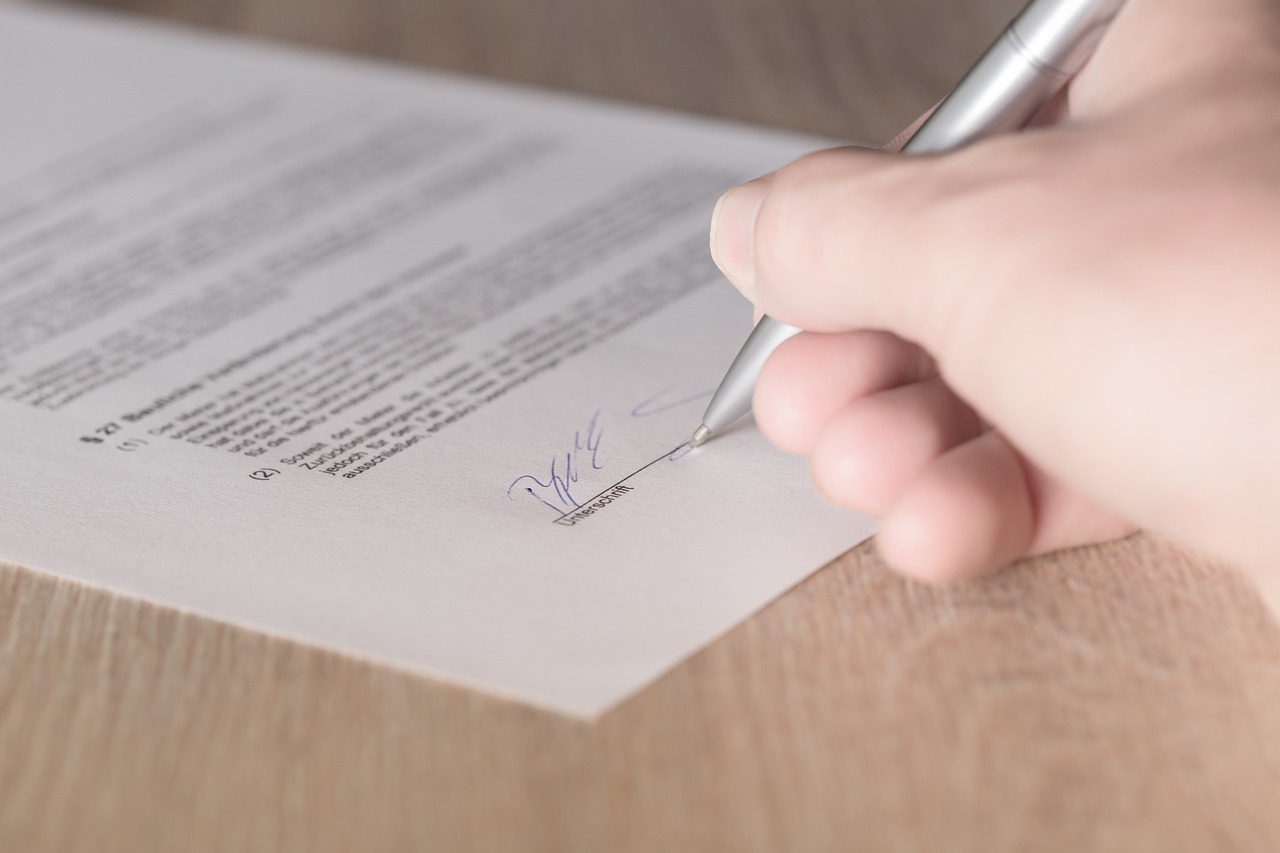
Mastering the Art of Detecting Forgeries: A Guide to Forensic Signature Analysis

Providing effective, efficient, cutting edge, Next Gen Cyber Security and Forensics Services to various sectors of clientele across the globe.
Talk to an Expert
We’ll respond within 24 hours
Thank You!
Your enquiry has been submitted successfully. Our team will contact you within 24 hours.