• Upgrade your defenses, not your anxiety. Let’s Talk! Contact Us
Section 63 Certificate for Video Evidence in India: BSA Requirements, Hash Values & Expert Certification

Section 63 Certificate for Video Evidence in India: BSA Requirements, Hash Values & Expert Certification

What Investigators, Lawyers and Organizations Should Know About Certifying CCTV, DVR, Mobile and Other Digital Video Evidence

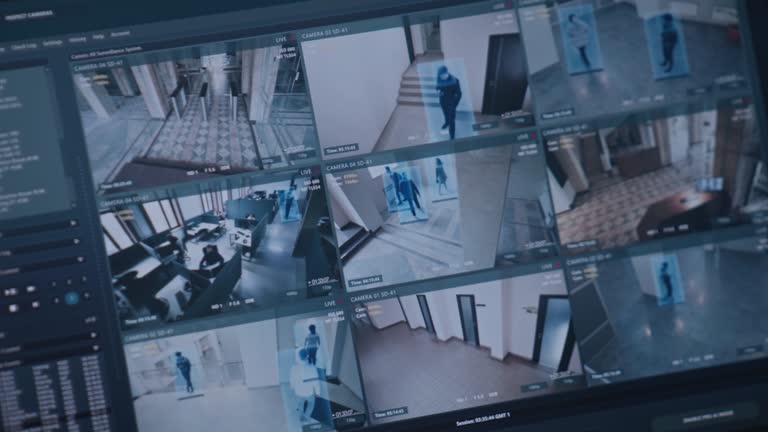
A CCTV recording can capture an important event.

But when that recording is presented as evidence, the question is not simply whether the video exists.

Legal teams may also need to establish where the recording came from, how it was produced, whether its integrity can be demonstrated and whether the applicable requirements for electronic evidence have been satisfied.

This is where Section 63 of the Bharatiya Sakshya Adhiniyam, 2023 (BSA) becomes important.

Section 63 deals with the admissibility of electronic records and provides for a certificate when electronic records are sought to be given in evidence in the circumstances covered by the provision. Section 63(4)(c) specifically refers to certification by the person in charge of the relevant computer or device or management of the relevant activities, together with an expert.

The Schedule to the BSA provides the prescribed certificate format and identifies sources including DVR, mobile, storage media, flash drive, server and cloud. It also requires information concerning the device and the hash value of the electronic or digital record.

For legal and investigation teams, understanding this process before submitting video evidence can help prevent avoidable evidentiary problems.

 What Is a Section 63 Certificate?

A Section 63 certificate is the certificate contemplated under Section 63(4)(c) of the Bharatiya Sakshya Adhiniyam, 2023 for electronic records.

Video recordings are electronic records.

This can include evidence obtained from:

  • CCTV systems
  • DVRs
  • NVRs
  • Mobile phones
  • Computers
  • Storage devices
  • Servers
  • Cloud platforms
  • Flash drives
  • Other digital recording systems

The statutory framework addresses matters including the source of the electronic record, the device involved, the conditions relating to regular use and operation, and the integrity of the digital record.

The certificate is therefore more than a simple declaration saying that a video is genuine.

It connects the electronic record to its source and the circumstances in which it was produced or maintained.

 Why Is Section 63 Important for Video Evidence?

Digital video can be copied very easily.

A CCTV recording can move from:

DVR → USB drive → computer → email → cloud storage → courtroom

At every stage, questions can arise regarding:

  • Source
  • Device
  • Method of extraction
  • File integrity
  • Hash value
  • Chain of custody
  • Conversion
  • Handling
  • Certification

A court does not necessarily treat a digital file as reliable simply because it can be played.

Recent Indian judicial decisions have highlighted the importance of complying with the applicable Section 63 certification requirements for CCTV and other electronic records.

 What Does Section 63(4) Require?

Section 63(4) provides that where an electronic record is sought to be given in evidence under the section, a certificate is to be submitted along with the electronic record at each instance of submission for admission.

The certificate addresses matters including:

  • Identification of the electronic record
  • The manner in which it was produced
  • Relevant device particulars
  • The conditions relating to the device or system
  • Certification by the appropriate person
  • Expert certification

The statutory provision expressly refers to the person in charge of the computer or communication device or management of the relevant activities and an expert.

 Understanding Part A and Part B

The Schedule to the BSA provides a certificate divided into two parts.

Part A: To Be Filled by the Party

Part A captures information from the person producing the electronic record.

The prescribed format identifies possible sources such as:

  • Computer
  • Storage media
  • DVR
  • Mobile
  • Flash drive
  • CD/DVD
  • Server
  • Cloud
  • Other digital source

It also provides fields for information such as:

  • Make and model
  • Serial number
  • IMEI/UIN/UID/MAC/Cloud ID where applicable
  • Other relevant device information

The certificate further addresses whether the digital device or source was:

  • Owned
  • Maintained
  • Managed
  • Operated

by the person making the certification.

Part B: Expert Certification

Part B is the expert component of the prescribed certificate.

This is particularly important where the electronic record requires technical examination or expert involvement.

The expert section includes information relating to:

  • Digital record source
  • Device information
  • Hash value
  • Hashing algorithm
  • Expert identity
  • Designation
  • Signature

The existence of a separate expert component distinguishes the BSA certificate framework from treating electronic evidence certification as a purely administrative declaration.

A 2026 Delhi court decision specifically considered a CCTV matter in which only Part A had been filed and Part B had not been completed by an expert. The court treated the missing expert component as significant to compliance with Section 63(4)(c).

 What Is the Role of the Hash Value?

A hash value is a digital fingerprint associated with a file.

A hash can help establish whether the contents of a particular digital file remain consistent with the file that was previously hashed.

The Section 63 certificate format specifically contains fields for the hash value and hashing algorithm, including SHA-1, SHA-256 and MD5 options in the prescribed form.

For investigators, this creates an important evidence-preservation practice:

Identify the file. Hash the file. Document the hash. Preserve the evidence.

The hash should not be treated as a substitute for every other forensic examination.

It is one component of demonstrating digital evidence integrity.

 Why Hashing Matters for CCTV Footage

Suppose an investigator receives:

CCTV_Incident_01.mp4

The filename itself does not establish whether the file has changed.

A properly documented hash provides a technical identifier for the digital content.

If another copy is subsequently examined, its hash can be compared with the documented value.

This can help investigators establish that the file being examined corresponds to the previously preserved digital record.

The BSA Schedule specifically requires the hash value to be stated and the hash report to accompany the certificate.

 What Device Details Should Investigators Record?

The precise information depends on the evidence source.

For a CCTV system, investigators may need to document information such as:

  • DVR/NVR manufacturer
  • Model
  • Serial number
  • Relevant device identifier
  • Camera/channel
  • Storage medium
  • Recording period
  • Export method

For a mobile phone, relevant information may include:

  • Manufacturer
  • Model
  • IMEI
  • Storage source
  • File location
  • Recording application where relevant

For cloud evidence:

  • Platform
  • Account/source
  • Cloud identifier
  • Download method
  • Date and time of acquisition

The BSA Schedule expressly provides fields for several categories of device and source identifiers.

 Does a Section 63 Certificate Prove That a Video Is Genuine?

Not automatically.

This distinction is critical.

A certificate addresses statutory requirements concerning the electronic record and its production.

A forensics authenticity examination asks a different question:

Is the recording technically consistent with an authentic, unaltered recording, or are there indicators of manipulation, editing or other alteration?

Depending on the case, forensic examination may be required in addition to certification.

A Section 63 certificate should therefore not be presented as a universal substitute for digital forensics examination.

 What Happens If the Certificate Is Incomplete?

An incomplete certificate can create significant evidentiary issues.

Recent Indian cases have considered deficiencies involving:

  • Missing Part B
  • Missing expert signature
  • Missing hash value
  • Missing device information
  • Incomplete source information
  • Insufficient description of how the electronic record was produced

For example, a May 2026 Delhi decision concerning CCTV footage discussed the absence of Part B and the missing hash value and concluded that the relevant statutory requirements had not been fulfilled in that case.

Another 2026 judicial decision emphasized that a certificate should contain relevant details of the source device and how the electronic output was generated.

These cases demonstrate why electronic evidence certification should be prepared carefully rather than retrospectively treated as paperwork.


 Does Every Video Need the Same Certification Process?

No.

The appropriate approach depends on:

  • Source of the recording
  • Whether the original device is available
  • Whether a copy is being produced
  • How the recording was extracted
  • Whether the evidence was converted
  • Whether forensic examination is required
  • The procedural circumstances of the case

A CCTV recording exported from a DVR is technically different from a video recorded on a mobile phone.

A cloud-hosted recording is different again.

The evidence source should therefore be documented accurately rather than forcing every investigation into the same workflow.

 Common Mistakes in Electronic Evidence Certification

Mistake 1: Treating the Certificate as a Formality

The certificate should correspond with the actual evidence and acquisition process.

Mistake 2: Forgetting the Expert Component

The statutory Schedule contains both Part A and Part B.

Mistake 3: Omitting the Hash

The prescribed certificate includes hash information.

Mistake 4: Not Identifying the Source Device

A video file without a properly documented source can face additional questions.

Mistake 5: Converting the Video Without Documentation

If conversion occurs, the original and conversion process should be documented.

Mistake 6: Losing the Original Evidence

Preserve the original source wherever possible.

Mistake 7: Sharing the File Repeatedly

Multiple copies can complicate evidence provenance.

 A Practical Section 63 Checklist for Legal Teams

Before submitting video evidence, confirm:

  • Original source identified
  • Device details documented
  • Relevant camera/channel identified
  • Recording period documented
  • Acquisition/export method recorded
  • Original evidence preserved
  • Hash generated
  • Hash algorithm recorded
  • Hash report preserved
  • Chain of custody maintained
  • Part A completed where applicable
  • Part B completed by appropriate expert where applicable
  • Supporting forensic report prepared where required
  • Any conversion or enhancement documented
  • Legal team has reviewed the evidentiary requirements

 Why Legal Teams Should Involve a Forensic Expert Early

A forensic expert can become particularly valuable when:

  • The video is disputed
  • The original device is available
  • The video may have been edited
  • Multiple versions exist
  • Hash verification is required
  • Metadata needs examination
  • Timestamp accuracy is questioned
  • The evidence requires expert reporting
  • The matter is likely to involve cross-examination

Early involvement can reduce the risk of losing important source evidence.

 Section 63 Certificate Services in Bangalore

Organizations and legal professionals searching for:

  • Section 63 certificate services Bangalore
  • Section 63 electronic evidence certification Bangalore
  • CCTV evidence certification Bangalore
  • BSA electronic evidence expert Bangalore
  • digital evidence certification Karnataka
  • electronic evidence forensic expert India

should consider both the certification requirements and the underlying evidence-handling process.

Proaxis Solutions supports organizations and legal teams with digital evidence examination, multimedia forensics, video analysis, evidence preservation and technical documentation.

 Frequently Asked Questions

·       What is Section 63 of the Bharatiya Sakshya Adhiniyam?

Section 63 of the Bharatiya Sakshya Adhiniyam, 2023 establishes the statutory framework concerning the admissibility of electronic records and sets out conditions for computer output and associated certification.

·       What is Section 63(4)(c)?

Section 63(4)(c) concerns certification addressing the conditions referred to in Section 63(2), with the certificate contemplated to be signed by the relevant person in charge or management and an expert.

·       What is Part A of the Section 63 certificate?

Part A is the party component of the prescribed certificate and captures information about the digital record source, device, control and hash value.

·       What is Part B of the Section 63 certificate?

Part B is the expert component of the prescribed certificate and records relevant digital record, device, hash and expert information.

·       Is a hash value required in the Section 63 certificate?

The prescribed Schedule includes a field for the hash value and hashing algorithm and provides for the hash report to accompany the certificate.

·       Can a Section 63 certificate be prepared for CCTV footage?

CCTV footage is electronic evidence, and the Section 63 framework can apply depending on how the electronic record is being produced and the circumstances of the proceeding.

·       Does a Section 63 certificate replace a forensic video report?

No. Certification and forensic examination address different aspects of electronic evidence. A forensic report may be appropriate when authenticity, manipulation, metadata or other technical questions are disputed.

·       Who should provide the expert component?

The expert component should be addressed by an appropriate expert in accordance with the statutory requirements and the circumstances of the electronic record.

·       Can a missing hash value affect CCTV evidence?

It can create an evidentiary issue. Recent Indian judicial decisions have specifically considered missing hash information when assessing CCTV evidence under Section 63.

·       Does the original DVR always have to be seized?

Not necessarily in every factual situation. Recent judicial decisions have considered circumstances where CCTV footage was produced without seizure of the physical DVR, while emphasizing the relevance of proper certification and secondary evidence requirements.

 Conclusion

Electronic evidence needs more than a playable file.

For CCTV footage, mobile videos, DVR recordings and other digital records, legal teams should be able to explain the source, acquisition process, integrity and handling of the evidence. The Section 63 certificate under the Bharatiya Sakshya Adhiniyam, 2023 provides a structured statutory mechanism for certifying electronic records in the circumstances covered by the provision. Its prescribed format includes important information concerning the digital source, device and hash value, together with party and expert components.

For investigators, the practical priority should be simple:

Preserve the source. Document the process. Hash the evidence. Maintain custody. Certify accurately.

Proaxis Solutions provides digital forensics, multimedia forensics, electronic evidence examination and technical support for legal and investigative requirements across Bangalore and India.

Contact Proaxis Solutions to discuss your investigation requirements with a forensic specialist.

Reach out to us any time to get video evidence 63(4)(c) Certificate to support your legal case. Check out Our Google Reviews for a better understanding of our services and business.

If you are looking for Digital Forensics Services in Bangalore, give us a call on +91 91089 68720 / +91 94490 68720.

Search
Popular categories
Latest blogs
Section 63 Certificate for Video Evidence in India: BSA Requirements, Hash Values & Expert Certification
What Investigators, Lawyers and Organizations Should Know About Certifying CCTV, DVR, Mobile and Other Digital Video Evidence A CCTV recording can capture an important event. But when that recording is presented as evidence, the question is not simply whether the video exists. Legal teams may also need to establish where the recording came from, how it was produced, whether its integrity can be demonstrated and whether the applicable requirements for electronic evidence have been satisfied. This is where Section 63 of the Bharatiya Sakshya Adhiniyam, 2023 (BSA) becomes important. Section 63 deals with the admissibility of electronic records and provides for a certificate when electronic records are sought to be given in evidence in the circumstances covered by the provision. Section 63(4)(c) specifically refers to certification by the person in charge of the relevant computer or device or management of the relevant activities, together with an expert. The Schedule to the BSA provides the prescribed certificate format and identifies sources including DVR, mobile, storage media, flash drive, server and cloud. It also requires information concerning the device and the hash value of the electronic or digital record. For legal and investigation teams, understanding this process before submitting video evidence can help prevent avoidable evidentiary problems.  What Is a Section 63 Certificate? A Section 63 certificate is the certificate contemplated under Section 63(4)(c) of the Bharatiya Sakshya Adhiniyam, 2023 for electronic records. Video recordings are electronic records. This can include evidence obtained from: CCTV systems DVRs NVRs Mobile phones Computers Storage devices Servers Cloud platforms Flash drives Other digital recording systems The statutory framework addresses matters including the source of the electronic record, the device involved, the conditions relating to regular use and operation, and the integrity of the digital record. The certificate is therefore more than a simple declaration saying that a video is genuine. It connects the electronic record to its source and the circumstances in which it was produced or maintained.  Why Is Section 63 Important for Video Evidence? Digital video can be copied very easily. A CCTV recording can move from: DVR → USB drive → computer → email → cloud storage → courtroom At every stage, questions can arise regarding: Source Device Method of extraction File integrity Hash value Chain of custody Conversion Handling Certification A court does not necessarily treat a digital file as reliable simply because it can be played. Recent Indian judicial decisions have highlighted the importance of complying with the applicable Section 63 certification requirements for CCTV and other electronic records.  What Does Section 63(4) Require? Section 63(4) provides that where an electronic record is sought to be given in evidence under the section, a certificate is to be submitted along with the electronic record at each instance of submission for admission. The certificate addresses matters including: Identification of the electronic record The manner in which it was produced Relevant device particulars The conditions relating to the device or system Certification by the appropriate person Expert certification The statutory provision expressly refers to the person in charge of the computer or communication device or management of the relevant activities and an expert.  Understanding Part A and Part B The Schedule to the BSA provides a certificate divided into two parts. Part A: To Be Filled by the Party Part A captures information from the person producing the electronic record. The prescribed format identifies possible sources such as: Computer Storage media DVR Mobile Flash drive CD/DVD Server Cloud Other digital source It also provides fields for information such as: Make and model Serial number IMEI/UIN/UID/MAC/Cloud ID where applicable Other relevant device information The certificate further addresses whether the digital device or source was: Owned Maintained Managed Operated by the person making the certification. Part B: Expert Certification Part B is the expert component of the prescribed certificate. This is particularly important where the electronic record requires technical examination or expert involvement. The expert section includes information relating to: Digital record source Device information Hash value Hashing algorithm Expert identity Designation Signature The existence of a separate expert component distinguishes the BSA certificate framework from treating electronic evidence certification as a purely administrative declaration. A 2026 Delhi court decision specifically considered a CCTV matter in which only Part A had been filed and Part B had not been completed by an expert. The court treated the missing expert component as significant to compliance with Section 63(4)(c).  What Is the Role of the Hash Value? A hash value is a digital fingerprint associated with a file. A hash can help establish whether the contents of a particular digital file remain consistent with the file that was previously hashed. The Section 63 certificate format specifically contains fields for the hash value and hashing algorithm, including SHA-1, SHA-256 and MD5 options in the prescribed form. For investigators, this creates an important evidence-preservation practice: Identify the file. Hash the file. Document the hash. Preserve the evidence. The hash should not be treated as a substitute for every other forensic examination. It is one component of demonstrating digital evidence integrity.  Why Hashing Matters for CCTV Footage Suppose an investigator receives: CCTV_Incident_01.mp4 The filename itself does not establish whether the file has changed. A properly documented hash provides a technical identifier for the digital content. If another copy is subsequently examined, its hash can be compared with the documented value. This can help investigators establish that the file being examined corresponds to the previously preserved digital record. The BSA Schedule specifically requires the hash value to be stated and the hash report to accompany the certificate.  What Device Details Should Investigators Record? The precise information depends on the evidence source. For a CCTV system, investigators may need to document information such as: DVR/NVR manufacturer Model Serial number Relevant device identifier Camera/channel Storage medium Recording period Export method For a mobile phone, relevant information may include: Manufacturer Model IMEI Storage source File location Recording application where relevant For cloud evidence: Platform Account/source Cloud identifier Download method Date and time of acquisition The BSA Schedule expressly provides fields for several categories of device and source identifiers.  Does a Section 63 Certificate Prove That a Video Is Genuine? Not automatically. This distinction is critical. A certificate addresses statutory requirements concerning the electronic record and its production. A forensics authenticity examination asks a different question: Is the recording technically consistent with an authentic, unaltered recording, or are there indicators of manipulation, editing or other alteration? Depending on the case, forensic examination may be required in addition to certification. A Section 63 certificate should therefore not be presented as a universal substitute for digital forensics examination.  What Happens If the Certificate Is Incomplete? An incomplete certificate can create significant evidentiary issues. Recent Indian cases have considered deficiencies involving: Missing Part B Missing expert signature Missing hash value Missing device information Incomplete source information Insufficient description of how the electronic record was produced For example, a May 2026 Delhi decision concerning CCTV footage discussed the absence of Part B and the missing hash value and concluded that the relevant statutory requirements had not been fulfilled in that case. Another 2026 judicial decision emphasized that a certificate should contain relevant details of the source device and how the electronic output was generated. These cases demonstrate why electronic evidence certification should be prepared carefully rather than retrospectively treated as paperwork.  Does Every Video Need the Same Certification Process? No. The appropriate approach depends on: Source of the recording Whether the original device is available Whether a copy is being produced How the recording was extracted Whether the evidence was converted Whether forensic examination is required The procedural circumstances of the case A CCTV recording exported from a DVR is technically different from a video recorded on a mobile phone. A cloud-hosted recording is different again. The evidence source should therefore be documented accurately rather than forcing every investigation into the same workflow.  Common Mistakes in Electronic Evidence Certification Mistake 1: Treating the Certificate as a Formality The certificate should correspond with the actual evidence and acquisition process. Mistake 2: Forgetting the Expert Component The statutory Schedule contains both Part A and Part B. Mistake 3: Omitting the Hash The prescribed certificate includes hash information. Mistake 4: Not Identifying the Source Device A video file without a properly documented source can face additional questions. Mistake 5: Converting the Video Without Documentation If conversion occurs, the original and conversion process should be documented. Mistake 6: Losing the Original Evidence Preserve the original source wherever possible. Mistake 7: Sharing the File Repeatedly Multiple copies can complicate evidence provenance.  A Practical Section 63 Checklist for Legal Teams Before submitting video evidence, confirm: Original source identified Device details documented Relevant camera/channel identified Recording period documented Acquisition/export method recorded Original evidence preserved Hash generated Hash algorithm recorded Hash report preserved Chain of custody maintained Part A completed where applicable Part B completed by appropriate expert where applicable Supporting forensic report prepared where required Any conversion or enhancement documented Legal team has reviewed the evidentiary requirements  Why Legal Teams Should Involve a Forensic Expert Early A forensic expert can become particularly valuable when: The video is disputed The original device is available The video may have been edited Multiple versions exist Hash verification is required Metadata needs examination Timestamp accuracy is questioned The evidence requires expert reporting The matter is likely to involve cross-examination Early involvement can reduce the risk of losing important source evidence.  Section 63 Certificate Services in Bangalore Organizations and legal professionals searching for: Section 63 certificate services Bangalore Section 63 electronic evidence certification Bangalore CCTV evidence certification Bangalore BSA electronic evidence expert Bangalore digital evidence certification Karnataka electronic evidence forensic expert India should consider both the certification requirements and the underlying evidence-handling process. Proaxis Solutions supports organizations and legal teams with digital evidence examination, multimedia forensics, video analysis, evidence preservation and technical documentation.  Frequently Asked Questions ·       What is Section 63 of the Bharatiya Sakshya Adhiniyam? Section 63 of the Bharatiya Sakshya Adhiniyam, 2023 establishes the statutory framework concerning the admissibility of electronic records and sets out conditions for computer output and associated certification. ·       What is Section 63(4)(c)? Section 63(4)(c) concerns certification addressing the conditions referred to in Section 63(2), with the certificate contemplated to be signed by the relevant person in charge or management and an expert. ·       What is Part A of the Section 63 certificate? Part A is the party component of the prescribed certificate and captures information about the digital record source, device, control and hash value. ·       What is Part B of the Section 63 certificate? Part B is the expert component of the prescribed certificate and records relevant digital record, device, hash and expert information. ·       Is a hash value required in the Section 63 certificate? The prescribed Schedule includes a field for the hash value and hashing algorithm and provides for the hash report to accompany the certificate. ·       Can a Section 63 certificate be prepared for CCTV footage? CCTV footage is electronic evidence, and the Section 63 framework can apply depending on how the electronic record is being produced and the circumstances of the proceeding. ·       Does a Section 63 certificate replace a forensic video report? No. Certification and forensic examination address different aspects of electronic evidence. A forensic report may be appropriate when authenticity, manipulation, metadata or other technical questions are disputed. ·       Who should provide the expert component? The expert component should be addressed by an appropriate expert in accordance with the statutory requirements and the circumstances of the electronic record. ·       Can a missing hash value affect CCTV evidence? It can create an evidentiary issue. Recent Indian judicial decisions have specifically considered missing hash information when assessing CCTV evidence under Section 63. ·       Does the original DVR always have to be seized? Not necessarily in every factual situation. Recent judicial decisions have considered circumstances where CCTV footage was produced without seizure of the physical DVR, while emphasizing the relevance of proper certification and secondary evidence requirements.  Conclusion Electronic evidence needs more than a playable file. For CCTV footage, mobile videos, DVR recordings and other digital records, legal teams should be able to explain the source, acquisition process, integrity and handling of the evidence. The Section 63 certificate under the Bharatiya Sakshya Adhiniyam, 2023 provides a structured statutory mechanism for certifying electronic records in the circumstances covered by the provision. Its prescribed format includes important information concerning the digital source, device and hash value, together with party and expert components. For investigators, the practical priority should be simple: Preserve the source. Document the process. Hash the evidence. Maintain custody. Certify accurately. Proaxis Solutions provides digital forensics, multimedia forensics, electronic evidence examination and technical support for legal and investigative requirements across Bangalore and India.Contact Proaxis Solutions to discuss your investigation requirements with a forensic specialist.Reach out to us any time to get video evidence 63(4)(c) Certificate to support your legal case. Check out Our Google Reviews for a better understanding of our services and business.If you are looking for Digital Forensics Services in Bangalore, give us a call on +91 91089 68720 / +91 94490 68720.

CCTV & Video Evidence in India: How to Preserve, Authenticate and Forensically Examine Digital Video
A Practical Guide to CCTV Footage Preservation, Video Authentication, DVR/NVR Analysis and Digital Video ForensicsA CCTV recording can show what happened.But sometimes the most important evidence is what the recording does not immediately reveal.Was the footage exported directly from the recorder?Was the camera's clock accurate?Was the file converted?Does the recording contain missing or duplicated frames?Has the video been edited?Are multiple copies circulating?Can the source file still be located?These questions turn a simple CCTV recording into a digital forensics’ investigation. Modern investigations increasingly depend on digital video from CCTV systems, mobile phones, dashcams, body cameras, security systems and cloud platforms. For investigators, lawyers, organizations and law enforcement teams in Bangalore, Karnataka and across India, knowing how to preserve and examine this evidence can be critical.This guide explains how CCTV forensics investigation and video evidence authentication work, what investigators should preserve, common problems with digital video and when professional forensics examination becomes necessary.What is Video Forensics?Video forensics is the forensics examination of digital video to assess its source, technical characteristics, continuity, authenticity and other relevant features.Depending on the case, examination can involve: CCTV footage DVR recordings NVR recordings Mobile videos Dashcam footage Body-camera recordings Security recordings Cloud video Downloaded online videos Screen recordings The purpose is not simply to watch the footage.The objective is to answer technical questions about the recording. Why CCTV Evidence Requires Forensics AttentionCCTV systems are designed primarily for surveillance. They are not necessarily designed with courtroom evidence requirements in mind.A security system may: Overwrite old recordings Use proprietary file formats Maintain an inaccurate system clock Split recordings into multiple files Store footage on a DVR/NVR Compress video Re-encode exported footage Store metadata separately Use manufacturer-specific playback software These characteristics can become important when the footage is used in an investigation. What Is CCTV Forensics Investigation?CCTV forensics investigation involves the systematic examination of surveillance footage and, where available, the underlying recording system and associated digital evidence.An investigation may examine:Source - Where did the recording originate?Camera - Which camera captured the event?Timeline - What time period does the footage cover?File - What is the structure and format of the recording?Metadata - What technical information accompanies the file?Integrity - Are there indicators that the recording has been modified?Continuity - Can the recording be connected to the original source?Context - Does the footage contain the events before and after the incident?How Should Investigators Preserve CCTV Footage?The first priority is often preservation.CCTV systems can automatically overwrite older recordings.If an incident occurred at 10:00 AM and the system retains footage for only a limited period, waiting several days before preserving the evidence can result in permanent loss.Investigators should therefore identify relevant footage as early as possible.Where appropriate, preserve: Original recorder/source Relevant camera footage Surrounding footage Exported files System information Device details Time information Storage media Relevant logs The objective is to preserve the evidence before it changes.Preserve More Than the Incident ClipOne of the most common mistakes is extracting only the few minutes showing the incident.Context can be important.For example, if a disputed event occurs at:8:43 PMpreserving only:8:42 PM - 8:44 PMmay remove important evidence concerning: Who entered the area Who left Vehicle movement Changes in lighting Prior interactions Events immediately after the incident Where feasible, investigators should preserve a broader time window and retain the original source material. DVR and NVR Forensics ExaminationDigital Video Recorders and Network Video Recorders can contain significantly more information than a single exported clip.A forensics examination may consider: Recorder configuration Camera assignments Recording schedules Storage structure Available footage Export history System timestamps Camera metadata File formats Deleted or overwritten material where technically recoverable The available evidence varies significantly by manufacturer and system configuration.This is one reason generic video-copying methods may not provide the same evidentiary value as a structured forensics acquisition.CCTV Timestamp AccuracyA video timestamp can appear precise.That does not automatically mean it is accurate.A CCTV system clock may be: Fast Slow Incorrectly configured Affected by power loss Different from the organization's official time Set to the wrong time zone Subject to daylight-saving configuration issues Investigators should document the system time and, where relevant, compare it with reliable external references.This can become important when reconstructing a sequence of events. What Is Video Authentication?Video authentication is the technical examination of a recording to assess whether it is consistent with the claimed source and whether there are indicators of alteration, manipulation or other processing.Depending on the evidence, forensics examination can consider: File structure Metadata Encoding information Compression characteristics Frame sequence Frame timing Audio-video synchronization File creation and modification information Transcoding Editing indicators Missing or duplicated frames The precise examination methodology depends on the source file and the question being investigated. Can Forensics Experts Detect Video Tampering?Sometimes.The ability to identify manipulation depends on: Original file availability File format Quality Compression Extent of processing Availability of source-device data Number of copies Whether the video has been converted Possible examination indicators can include: Unexpected frame discontinuities Inconsistent encoding Unusual metadata Editing artefacts Repeated frames Missing frames Inconsistent timestamps Audio-video synchronization anomalies However, forensics conclusions should be based on the evidence actually available.No responsible examiner should promise that every manipulated video can always be identified. Why Metadata MattersMetadata can provide information about a digital file.Depending on the source, this may include: Creation information Modification information File format Codec Resolution Frame rate Duration Device information Software information Metadata should not be treated as infallible.It can change during copying, conversion or editing.That is why metadata should be examined alongside the file itself and the evidence acquisition history. Original Video vs Converted VideoConsider a CCTV system that produces a proprietary recording format.An operator converts it to:MP4because MP4 is easier to play.That conversion may be practical.But it creates a new file.Investigators should therefore preserve:Original recording → converted copyrather than replacing the original with the converted version.The conversion method should be documented.This helps maintain a clear relationship between the source recording and any version created for viewing or presentation. Screen recording is not the same as the OriginalA particularly common problem occurs when someone plays CCTV footage on a monitor and records the screen using a mobile phone.The resulting file is a recording of a display.It is not the original CCTV file.The screen recording may introduce: Reduced resolution Reflections Moiré patterns Frame-rate differences Missing metadata Audio changes Display artefacts If the original DVR/NVR export is available, it should generally be preserved rather than replaced with a screen recording. Video Evidence from Mobile PhonesSmartphone videos can contain valuable evidence.The investigation should consider: Original phone Native video file File location Recording application Metadata Device information Transfer history where available A video forwarded through a messaging platform should not automatically be treated as equivalent to the original recording.Where the original device is available, preserving the source can provide a stronger basis for forensics examination. Video Evidence from WhatsApp and Messaging PlatformsInvestigators increasingly encounter videos shared through: WhatsApp Telegram Email Cloud storage Social media Corporate messaging platforms The challenge is establishing provenance.Questions may include: Who originally recorded the video? Who first received it? Was it forwarded? Was it compressed? Was it edited before sharing? Is the original file available? Can the original source be identified? A forwarded copy may still be relevant evidence, but investigators should distinguish between the original recording and a subsequently transmitted copy. Chain of Custody for Video EvidenceDigital evidence can pass through multiple hands.A basic chain-of-custody record should document: Evidence identifier Source Date and time of acquisition Person who acquired it Storage location Transfers Examination activity Person responsible for each transfer For example:DVR → Investigating Officer → Evidence Storage → Forensics Examiner → Legal TeamEach transfer should be documented appropriately.The purpose is to create a traceable evidence history. Hashing and Video IntegrityHashing can help establish the identity and integrity of a digital file.A forensics examiner can calculate a cryptographic hash for the relevant evidence.If the file is later copied, the resulting hash can be compared against the documented value.For example:Original evidence↓Hash calculated↓Forensics copy↓Hash verified↓AnalysisThis provides a technical mechanism for demonstrating that the examined copy corresponds to the preserved file.What Investigators Should Record During a CCTV AcquisitionA practical CCTV acquisition record can include:System Information Manufacturer Model Serial number Firmware where relevant Storage configurationCamera Information Camera number Location Direction Relevant time periodTime Information System date System time Time zone Known clock discrepancyExport Information Person performing export Date/time Software used Export format Destination storageIntegrity Information Hash algorithm Hash value Evidence identifierChain of Custody Person receiving evidence Date/time Storage location Subsequent transfers  When should a Video Forensicss Expert be Engaged?Professional examination becomes particularly useful when: CCTV footage is central to the investigation The original DVR/NVR is available The video is disputed Multiple versions exist The footage may have been edited Timestamps are questioned Video quality requires forensics enhancement Metadata needs examination Deleted footage may need investigation The recording requires expert reporting The evidence is expected to be challenged Early forensics involvement can also help prevent accidental modification or loss of the original evidence.Video Forensicss in Corporate InvestigationsCCTV evidence is not limited to criminal cases.Companies may use video evidence in investigations involving: Employee misconduct Workplace theft Unauthorized access Inventory loss Industrial incidents Physical security breaches Insider investigations Fraud Vendor disputes Insurance claims Corporate investigations can become more complex when CCTV evidence needs to be correlated with: Access-control logs Employee records Email Mobile devices Network logs GPS data Digital evidence Video can therefore become one component of a broader forensics investigation. Video Evidence and Incident ReconstructionA video recording can help investigators build a timeline.For example:09:41:03 - Person enters premises09:42:18  -Vehicle arrives09:43:06  -Person approaches restricted area09:44:12  - Person leavesWhen multiple cameras are available, forensics analysis can help correlate recordings across different viewpoints.This can assist with: Movement reconstruction Timeline analysis Person tracking Vehicle movement Event sequencing The reliability of such a reconstruction depends on the quality and continuity of the underlying recordings. CCTV Forensics Investigation in BangaloreBangalore organizations across technology, manufacturing, banking, retail, healthcare, hospitality and corporate sectors rely heavily on surveillance systems.This creates demand for: CCTV forensics investigation Bangalore CCTV footage analysis Bangalore video authentication Bangalore forensics video examination Bangalore DVR forensics investigation Bangalore NVR forensics analysis Bangalore CCTV evidence preservation Bangalore video tampering investigation Bangalore digital video forensics Bangalore multimedia forensics Bangalore For organizations dealing with disputed or important recordings, professional forensics examination can help preserve the technical context surrounding the footage. How Proaxis Solutions Supports Video Forensics InvestigationsProaxis Solutions provides Multimedia Forensics and Digital Forensics services for legal, corporate and investigative requirements.Depending on the matter, forensics support can include: CCTV footage examination DVR/NVR analysis Video authentication Video tampering examination Metadata analysis Frame-level examination Video enhancement Timeline reconstruction Digital evidence preservation Hash verification Chain-of-custody documentation Forensics reporting Expert support The investigation is structured around the specific question being asked.Rather than simply asking:“Can you improve this video?”a forensics investigation asks:“What does the available evidence allow us to establish about this recording?”That distinction matters. Frequently Asked QuestionsWhat is CCTV forensics investigation?CCTV forensics investigation is the structured examination of surveillance recordings and, where available, the underlying recording system to assess source, continuity, technical characteristics, authenticity and other relevant forensics questions. How can CCTV footage be authenticated?Authentication can involve examining the source, original recording, file structure, metadata, encoding, timestamps, frame sequence, hash values and acquisition history. The appropriate methodology depends on the evidence available.Can CCTV footage be edited without leaving evidence?Some forms of editing may leave technical indicators, while other processing may be difficult to identify depending on the file and its history. The availability of the original recording is particularly important.Can deleted CCTV footage be recovered?Recovery may sometimes be possible depending on the recorder, storage architecture, overwrite status and condition of the storage media. Recovery cannot be guaranteed.How long does CCTV footage remain available?Retention varies significantly between systems and organizations. Some systems overwrite recordings after a defined period. Investigators should therefore preserve relevant footage as soon as an incident is identified.Can a forensics expert improve blurry CCTV footage?Forensics processing can sometimes improve visibility or presentation of information already contained in a recording. It cannot reliably recreate information that was never captured by the camera.Can forensics video analysis identify a person?Video analysis may assist with identifying or comparing visible characteristics, but the reliability of identification depends on factors such as resolution, lighting, camera angle, distance, image quality and available reference material.Can CCTV timestamps be wrong?Yes. CCTV systems can have clock discrepancies. Investigators should document the system time and assess its relationship to reliable external time references when reconstructing events.Is a CCTV export the same as the original recording?Not necessarily. An exported file may be a copy, conversion or proprietary-system output. The original recording source should be preserved wherever possible.Can WhatsApp CCTV footage be used for investigation?It can potentially be relevant, but investigators should distinguish between the original CCTV recording and a copy transmitted through WhatsApp or another platform. Provenance, transfer history and file integrity may need examination.What is the difference between video enhancement and video authentication?Video enhancement aims to make existing information easier to see. Video authentication focuses on technical questions concerning the recording's source, integrity and possible manipulation.What should I do if CCTV footage is important to a legal case?Preserve the original recording and source system where possible, avoid unnecessary editing or conversion, document who handled the evidence and obtain forensics guidance early if authenticity or integrity may become an issue.Where can I get CCTV forensics investigation services in Bangalore?Specialist digital and multimedia forensics providers in Bangalore can assist with CCTV examination, video authentication, DVR/NVR analysis, evidence preservation and forensics reporting. ConclusionCCTV footage can be one of the most valuable forms of digital evidence in an investigation. But its value depends on more than what appears on the screen. Investigators should consider:o   Where did the recording originate?o   Has the original source been preserved?o   How was the footage exported?o   Is the timestamp reliable?o   Has the file been converted?o   Can its integrity be demonstrated?o   Has anyone edited or processed it?o   Can the evidence history be explained? Professional video forensics and CCTV forensics investigation help answer these questions through structured technical examination.For legal teams, investigators, businesses and organizations in Bangalore, Karnataka and across India, early preservation and forensics examination can make a significant difference when digital video becomes part of a legal or corporate investigation.Proaxis Solutions provides CCTV forensics investigation, video authentication, multimedia forensics, DVR/NVR examination, digital evidence preservation and forensics reporting services for legal, corporate and investigative requirements.If important CCTV or video evidence is involved in your case, preserve the original source before editing, converting, compressing or repeatedly sharing the recording.
Mastering the Art of Detecting Forgeries: A Guide to Forensic Signature Analysis
How Forensics Signature Examination Helps Identify Altered, Simulated and Disguised SignaturesA signature can be only a few strokes of ink, yet it can carry significant legal, financial and personal importance.Signatures are used to authorize contracts, approve transactions, execute agreements, verify documents, endorse cheques and establish identity. When a signature is questioned, the issue is rarely limited to whether it “looks genuine.”The real forensic question is:Was the questioned signature actually written by the person whose name it represents?Answering that question requires systematic examination rather than visual assumptions.Forensics signature analysis is a specialized area of questioned document examination that evaluates handwriting characteristics, writing habits, line quality, pen movement, proportions, spacing, connections and other observable features to determine whether a questioned signature is consistent with known genuine writing.For organizations, financial institutions, legal teams and individuals in Bangalore, Karnataka and across India, professional signature examination can be particularly valuable when a disputed document has financial, contractual, employment or legal consequences.This guide explains how forensic experts examine questioned signatures, the different forms of signature forgery, what evidence is required, and why professional forensic examination matters.What Is Forensics Signature Analysis?Forensics signature analysis is the scientific examination and comparison of a questioned signature with authenticated reference signatures. It forms part of forensics document examination, a discipline concerned with determining the authenticity, authorship and alteration of questioned documents.An examiner may evaluate characteristics such as:Line qualityStroke formationPen movementWriting speed and fluencyLetter formationSlantProportionSpacingBaseline alignmentConnecting strokesPen liftsTremorsInitial and terminal strokesRelative size of componentsNatural variationThe examination does not depend on finding one identical feature.Instead, forensic experts assess the overall pattern of writing characteristics and determine whether the questioned signature is consistent with the known writing of the purported writer.Why Signature Forensics MattersA disputed signature can affect matters involving substantial financial or legal consequences.Forensic signature examination may be required in cases involving:Property transactionsSale agreementsLoan and banking documentsChequesWills and testamentary documentsPower of attorney documentsBusiness contractsEmployment documentsInsurance claimsFinancial fraudCorporate disputesIdentity-related fraudLegal and civil disputesA signature may appear convincing to an untrained observer while containing characteristics that require closer forensic examination.Conversely, natural variation can make genuine signatures look different from one another.This is why simply comparing two signatures visually is not the same as conducting a forensics signature examination.What Makes a Signature Difficult to Authenticate?Human handwriting is naturally variable.The same person may produce signatures that differ depending on:Writing positionWriting surfacePen typeTime pressurePhysical conditionEmotional stateWriting speedAvailable spacePurpose of the signatureTherefore, forensic examination must distinguish between natural variation and characteristics that may indicate simulation, tracing or other forms of forgery. The availability and quality of comparison material also influence the examination.Common Types of Signature ForgeryUnderstanding how signatures can be forged helps explain why forensic examination requires more than visual comparison.Simulated Signature ForgeryA simulated signature is produced by attempting to imitate another person's genuine signature.The forger may repeatedly study an authentic signature and attempt to reproduce its appearance.During forensics examination, an expert may look for characteristics associated with unnatural execution, such as:HesitationSlow movementTremorPoor line qualityUnusual pen liftsInconsistent proportionsDisconnected strokesThe presence of an individual characteristic alone does not establish forgery. It must be considered in the overall examination.Traced SignatureA traced signature may be created by following the outline or visible form of an authentic signature. Depending on the method used, examination may consider:Stroke qualityTremorLine continuityPen movementIndications of hesitationEvidence associated with the tracing processThe original document and examination conditions are important when assessing such evidence.Disguised SignatureA person may intentionally alter their own writing characteristics to make a signature appear different. This can occur in certain fraudulent or deceptive situations. The examiner may therefore consider whether apparent differences fall within natural variation or whether there are characteristics suggesting deliberate alteration.Freehand ImitationA person may attempt to reproduce a signature from memory or by visually studying a sample without tracing it. Such signatures may reproduce the broad appearance while failing to reproduce the natural writing dynamics of the original writer.How Do Forensic Experts Examine a Questioned Signature?A professional signature forgery investigation follows a structured process.1. Case AssessmentThe examination begins by understanding the nature of the dispute.The examiner considers:What document is questioned?Which signature is disputed?Who is alleged to have written it?When was the document created?What genuine signatures are available?What questions must the examination answer?The investigation scope should be established before comparison begins.2. Examination of the Questioned DocumentThe questioned document is examined carefully under suitable conditions.Depending on the case, forensic examination may involve magnification and specialized examination techniques to assess writing characteristics and document features.The examiner may document:Stroke characteristicsLine qualityPen pressure indicatorsLetter formationsSpacingAlignmentPen liftsInitial and terminal strokesThe objective is to understand how the questioned signature was executed.3. Collection of Genuine Comparison SamplesKnown genuine signatures are essential to a meaningful comparison.These may include authenticated signatures from:Bank recordsEarlier agreementsOfficial applicationsIdentity documentsCorporate recordsEmployment recordsCorrespondenceOther verified documentsWhere possible, comparison material should be sufficiently comparable in terms of date, writing conditions and signature type.A larger and representative sample can help an examiner understand the writer's natural variation.4. Comparative ExaminationThe questioned signature is then compared with the authenticated signatures.The examiner may assess similarities and differences in:Letter constructionStroke sequenceSlantSizeProportionsSpacingAlignmentConnecting strokesPen movementInitial and ending formationsThe significance of each characteristic depends on the circumstances and the consistency of the overall writing pattern.5. Assessment of Natural VariationThis is one of the most important aspects of forensic handwriting examination.Two genuine signatures from the same person may not look exactly alike.An experienced examiner therefore asks:Are the observed differences consistent with the writer's normal variation?rather than simply:Do the signatures look different?This distinction helps prevent genuine signatures from being incorrectly treated as forgeries.6. Examination for Signs of Simulation or TracingWhere appropriate, the examiner assesses whether the questioned signature demonstrates characteristics associated with imitation or tracing.The examination may consider:HesitationUnnatural tremorPoor fluencyBlunt starts and stopsUnusual pen liftsStroke inconsistenciesAbnormal proportionsUncharacteristic movement patternsThese observations must be evaluated collectively.7. Expert Evaluation and ReportingThe final stage involves documenting the examination and presenting the findings. A professional forensics signature analysis report may describe:Materials examinedExamination methodologyComparison materialSignificant observationsSimilarities and differencesLimitationsForensic findingsThe report should distinguish clearly between observed evidence and the examiner's interpretation.What Documents Are Needed for Signature Examination?The quality of an examination depends partly on the comparison material available.Useful evidence may include:Questioned DocumentThe document containing the disputed signature.Genuine Signature SamplesAuthenticated signatures from the person whose signature is being questioned.Supporting DocumentationDepending on the case, additional documents may provide useful context regarding:DateTransactionDocument creationSignatoryBusiness relationshipOriginal documents are generally preferable where available because they can preserve information that may not be visible in a scanned copy.Can a Photocopy or Scanned Signature Be Examined?A photocopy or digital scan may provide useful information, but examination limitations should be recognized.Reproduction can affect:Line qualityStroke detailPressure characteristicsInk featuresFine writing characteristicsDocument-level evidenceWhere the original document exists, it should be preserved and provided for examination whenever appropriate. An examiner should also state any limitations arising from the available material.Why Visual comparison alone is not EnoughSearching online for “signature matching” may produce automated tools and image-comparison applications.These can be useful for certain technological applications, but a forensic examination is different.A forensic examiner considers:How was the signature written?What writing characteristics are present?Are differences within natural variation?Are similarities significant?Are there indications of simulation or tracing?What limitations affect the conclusion?The context and methodology matter as much as the visual appearance.Where Is Forensic Signature Examination Used?Forensics signature analysis can support investigations involving:Banking and Financial ServicesCheque disputesLoan documentationFinancial fraudUnauthorized transactionsCorporate InvestigationsContractsAuthorization documentsInternal approvalsEmployee-related disputesLegal MattersAgreementsProperty documentsWillsPower of attorneyCivil disputesInsuranceClaims documentationPolicy recordsAuthorization documentsGovernment and Administrative RecordsApplicationsCertificatesOfficial documentationHow to Choose a Forensics Signature Examination Service in IndiaBefore engaging a forensics service provider, organizations should consider:Experience in questioned document examinationQualifications of the forensic examinerAvailability of appropriate examination facilitiesEvidence handling proceduresDocumentation and reporting standardsConfidentiality practicesAbility to explain findings clearlyExperience with legal and corporate mattersIf the matter may proceed to litigation, organizations should also discuss expert witness or court-related support at the beginning of the engagement.Forensics Signature Examination in BangaloreBangalore is home to a large corporate, financial and technology ecosystem, making document-related disputes relevant across multiple sectors.Organizations searching for forensics signature examination services in Bangalore, signature forgery investigation in Bangalore, or forensic document examination in Karnataka may require support for corporate disputes, banking matters, contracts, property documentation and fraud investigations.A local forensic facility can also be useful when original documents require controlled examination and secure handling.Proaxis Solutions provides forensic examination services for organizations, legal professionals and individuals requiring professional analysis of questioned documents and signatures.Why Choose Proaxis Solutions?Proaxis Solutions provides professional Forensics Signature Examination and Questioned Document Examination Services for corporate, legal and investigative requirements.Our forensic capabilities include:Signature comparisonSignature forgery examinationHandwriting analysisQuestioned document examinationDocument authenticity assessmentAlteration and manipulation examinationInk and writing analysisForensic document reportingExpert opinion supportOur approach emphasizes structured examination, evidence integrity, confidentiality and clear reporting. For matters involving disputed signatures, original documents and supporting comparison material are assessed carefully before the appropriate examination methodology is determined.Frequently Asked QuestionsWhat is forensics signature analysis?Forensic signature analysis is the examination and comparison of a questioned signature with authenticated reference signatures to determine whether the writing characteristics are consistent.How does a forensics expert detect a forged signature?An examiner evaluates writing characteristics such as stroke formation, line quality, pen movement, proportions, spacing, pen lifts and natural variation. The characteristics are assessed collectively rather than relying on visual appearance alone.Can a forensics expert determine whether a signature was traced?A forensic examination may identify characteristics that are consistent with tracing or other forms of simulation. The available evidence and quality of the original document influence what can be concluded.How many genuine signatures are needed for comparison?There is no universal number that applies to every case. The suitability, authenticity, date and representativeness of the comparison signatures are important. A broader sample may help an examiner understand natural variation.Can a signature look different and still be genuine?Yes. Genuine signatures naturally vary. Differences must therefore be assessed in the context of the writer's known variation rather than treated as proof of forgery.Should I send the original document for forensics examination?Where available and appropriate, the original document is generally preferable because it may contain information that cannot be assessed from a photocopy or scan.Can forensics signature examination support a legal dispute?Forensic examination can provide technical findings that may assist legal proceedings. The evidentiary value and admissibility of those findings depend on the facts and applicable legal requirements.Where can I get forensics signature examination services in Bangalore?Professional forensic signature examination services are available through specialist forensic providers in Bangalore. When selecting a provider, consider examiner qualifications, evidence handling, examination methodology, reporting and experience with legal or corporate matters.ConclusionA signature is more than an image on a document. Its individual characteristics reflect the way a person writes, moves a pen and naturally produces their signature. When a signature is disputed, those characteristics can provide valuable forensic evidence. Forensics signature analysis provides a structured method for examining questioned signatures and distinguishing potential forgery indicators from natural variation.Whether the matter involves a disputed contract, banking transaction, property document, corporate authorization, cheque, will or suspected fraud, professional examination can help establish what the available evidence supports. For organizations and individuals in Bangalore, Karnataka and across India, choosing an experienced forensic document examination provider is an important part of protecting the integrity of the investigation.If you have a questioned signature or disputed document, preserve the original evidence and seek professional forensic guidance before making alterations, annotations or unnecessary handling.Proaxis Solutions provides confidential forensic signature examination, questioned document examination and handwriting analysis services for corporate, legal and investigative requirements in Bangalore and across India.Contact Proaxis Solutions to discuss your questioned document or signature examination requirements.
All blogs

We’ll respond within 24 hours

WAIT! 🎁 Get Extra 10% Off

Before you leave, unlock a special discount.

✓

Thank You!

Your enquiry has been submitted successfully. Our team will contact you within 24 hours.