- Upgrade your defenses, not your anxiety. Let’s Talk! Contact Us

Explore Forensics Insights, Case Studies & Expert Blogs

Created by - Proaxis Solutions
Audio Video Forensics Analysis: How Experts Examine Recordings
Introduction: Audio and video recordings are a more common component of many industries today in the area of evidence, whether for law enforcement, corporate investigations, or personal disputes. Audio and video recordings can provide the required information to define facts, about events or conversations that may otherwise never be fully known. With the advancements of digital editing software in today’s environment, the challenge is that anything we hear, or see, on an audio or video audio recording could be suspectable to legibility. This opens the scope for audio-video analysis in the inquiry of audio-video digital forensic analysis. Digital forensics consists of the methods to recover, analyse, and preserve data from digital devices to establish facts, while providing evidence, for inquiries. For audio and video evidence, forensic specialists use methods to verify, identify and authenticate a recording and verify whether the recording has been affected, compromised, or otherwise, manipulated. Authenticity for audio-video evidence, is important as it preserves the integrity of the evidence, and that it will be presented to the court, or any other relevant determination as legitimate evidence. Audio Video Analysis: The process of audio video analysis involves verifying the authenticity, completeness, and editability of a sound or video recordings. Audio video analysis is an important component of digital forensics, which utilizes digital evidence to find the truth. In its simplest form, audio video analysis, assesses whether alterations were made to any audio or video file. For example, someone may alter a conversation by removing conversation, changing a voice, or removing frames of a video file. Audio video analysis can detect those alterations for authenticity purposes. Audio video analysis is typically used for: Legal investigations, to support or oppose evidence in court. Workplace issues or disputes to verify claims related to meetings or interviews. Digital video footage and recorded conversations may contain key content that reveals what happened. Public concern (online) or verification of viral videos, audio clips or films for issues related to fake or misleading content. Audio video analysis helps provide, contextually, professional, legal and personal decisions-based sound and video evidence. Why Audio and Video Evidence needs to be Verified: Audio and video files are often used as important evidence when investigating a situation. These files can affect decisions being made in courtrooms, workplaces, insurance claims, and even public perception. But what if the evidence is not valid? What if audio is edited, taken out of context, or completely fake? This is why audio and video verification are so important. When the audio or video is used as evidence to prove what someone did or said, accuracy and authenticity are paramount. A single frame of video or a few seconds of audio can easily mislead people by creating another impression, even if completely accidental. Here are some reasons why verification is critical for audio and video recordings: Helps protect the truth: It will ensure that only verified information is being relied upon in any decision-making processes. Prevents manipulations: It stops people from manipulating media by letting them twist facts or outright lie. Provides fair outcomes: Verified evidence leads to fairer and more reliable results whether in a legal process, or corporate dispute. There is a potential for serious consequences if fake or manipulated audio and video files are accepted as fact without any parsing. Audio video verification can minimize that risk by ensuring the evidence is accurate, valid, and reliable. Key Things Experts Look for During Analysis When forensics experts examine audio or video files, they systematically investigate any changes to the recording to determine if it is an original or altered recording. Although they employ advanced equipment, the purpose is quite simple: to determine if there are any indications that something may not be right. Here are some of the main things they look for: 1. Unusual Cuts or Gaps Experts check for parts of a video or audio file that seem to be missing or suddenly jump. These gaps can be a sign that the recording was edited to hide something. Any sudden transitions between segments may indicate a deliberate attempt to remove content or manipulate the timeline of the recording. The presence of these gaps often raises questions about the authenticity of the material. 2. Changes in Sound or Voice They listen closely for differences in tone, background noise, or voice patterns. If someone’s voice changes suddenly, or if a sound doesn’t match the rest of the recording, it might mean the audio was changed or pieced together. Inconsistent audio quality or the unnatural alteration of voices may suggest the recording has been tampered with, and the expert will analyse the sound to verify its continuity and authenticity. 3. Video Frame Problems A video is made up of many still images called frames, and several frames are shown every second. If some of these frames are missing or out of order, it may show the video was trimmed or altered. Experts will also look for signs of video “stitching,” where clips have been artificially combined, causing noticeable jumps or disruptions in motion. Frame analysis helps reveal whether the video was cut, reordered, or artificially inserted. 4. Inconsistent Backgrounds or Lighting If the lighting, shadows, or background noise changes too quickly, it could mean that parts of the recording were added from a different time or place. This might include differences in the quality of lighting or slight shifts in the environment that don’t match the rest of the video. Such inconsistencies can point to editing or the insertion of new elements into the recording, compromising its authenticity. 5. File Information (Metadata) Every digital recording comes with hidden information—like when and where it was made. Audio forensic experts check this data to confirm if the file is really from the time and device it claims to be. Metadata analysis can also reveal if the file was modified after its initial creation, which is crucial for validating the authenticity of the recording. In some cases, the metadata might be altered to conceal edits, so forensic experts examine this closely for any inconsistencies. The verifications help demonstrate that nothing has been altered, added to, or removed from the original recording. When audio video analysis is done right the answers are clear and it is easy for people to have confidence in what they are seeing and hearing. Process of Audio Video Analysis: Audio Video Analysis in digital forensics is generally structured in a manner that provides for thorough, accurate, and professional analysis of the evidence. While the mechanics that are involved can be technical, here is a simple and more involved description of what typically happens: 1. Receiving the Original File The process begins with collecting the original version of the audio or video file. This is important because copies or compressed versions can lose quality or contain added noise. The original file holds the most accurate data, which helps experts detect any signs of editing or tampering. If the original isn’t available, the highest-quality version is used. 2. Securing and Preserving the Evidence Once the file is received, it is stored in a secure environment to prevent any changes, intentional or accidental. Experts maintain a detailed record of how the evidence is handled, including who accessed it and when. This is called a chain of custody, and it ensures that the evidence can be trusted in legal or official proceedings. 3. Step-by-Step Examination The forensic team closely inspects the audio or video. For video, this might include checking each frame, studying movements, lighting, and sound consistency. For audio, experts listen for any unusual gaps, changes in tone, or background noise that doesn’t match the rest of the file. They may use specialized software to slow down the footage, isolate sounds, or zoom into specific visual elements. 4. Comparing with Other Information In many cases, the analysis involves comparing the recording with other sources. For example: Matching a voice with a known speaker. Checking timestamps against call logs or security camera schedules. Comparing video footage with still images or public data to confirm location and time. These comparisons help confirm whether the audio or video fits the claimed context, such as a specific date, place, or person. 5. Creating a Clear, Court-Ready Report After the analysis is complete, the expert prepares a written report that explains their findings. The report covers: Whether the recording was altered or remains intact. What signs of tampering (if any) were found. A summary of the methods used to reach these conclusions. This report is written plainly and without technical terminology so that lawyers, investigators, company executives, or even perhaps a judge will comprehend the results. The expert, if needed, could testify in court to explain their findings in person. Why Choose a Certified Forensic Lab Like Proaxis Solutions The stakes in reviewing sensitive audio/video evidence are exceptionally high. Whether it's a criminal case, corporate dispute, or personal situation, there is a heavy weight placed on integrity in all digital evidence. Unfortunately, not all forensic labs can manage sensitive audio/video evidence with the precision, care, and professionalism it demands at this level. When you trust a certified forensic lab such as Proaxis Solutions, you can be certain your evidence is cared for with the highest level of accuracy, transparency, and trust. In cases or situations where the truth matters, arrive at the foundation of truth with Proaxis Solutions, be a trusted partner. Here’s why working with an expert forensic team like ours is essential for the success of your case: 1. Proven Accuracy and Reliability At Proaxis Solutions we recognize that any digital evidence can only be examined to the degree of precision and consistency that is expected. Therefore, we utilize forensically sound, scientifically validated court-approved methods that have been tested and accepted by the legal and law enforcement community. Our audio video forensic experts adhere to the accepted standards, and they will examine every one of your audio/video recordings for signs of manipulation, tampering or inconsistencies. We employ significantly advanced algorithms and provide various forensic techniques, such as digital fingerprints, waveform analysis, metadata analysis and frame-by-frame analysis. Using these methods, we are able to find the tiniest of changes that will demonstrate the results we provide are not only accurate but reliable. It does not matter whether your matter is a highly investigated legal dispute, workplace investigation or any other critical situation; you need findings that you can stand behind. The findings are based on methods that are, and we will stand behind our findings at any professional level. 2. Confidential and Secure Handling Digital evidence can be very sensitive material, particularly with respect to any personal privacy interests, protection of corporate secrets, or legal issues involved. Proaxis Solutions will take every reasonable precaution regarding confidentiality and security throughout the forensics process. When your evidence is received and during the analysis and reporting stages, we adhere to strict protocols to protect and preserve your evidence from unauthorized or unintended access, tampering, or destruction. The data protocols we use to secure and preserve every piece of evidence include state-of-the-art encryption and a high level of security for file transfers and share with only those personnel designated with restricted access in the authorized access logs. To track every action taken with your evidence we have implemented and follow chain of custody procedures. The protocols track who accessed or handled the evidence file and document every stage of the forensics process so there will always be a clear and trustworthy record to refer to establish traceability for the evidence. If your case proceeds to litigation or court, you can feel confident presenting your evidence without suspicion of its authenticity. 3. Clear, Court-Ready Reporting One of our strongest attributes is our ability to present forensic findings in a concise, thorough, and understandable format. We recognize that prosecutors, or within corporate boardroom settings, or in personal consultations, often require that forensic findings be delivered without excessive technical jargon. Our expert team produces court-ready reports written in plain language that can be understood by legal professionals, investigators and corporate leaders as well as judges or juries. Our reports are designed to present findings in a manner that makes it clear, so that any reader (regardless of any digital forensic background) can clearly understand the relevance of the analysis. Reports identify: If the recording was altered or was original. What alterations or lack of credibly was found (if any). How we confirmed the authenticity of the recording. Any recommendations or conclusions with respect to the findings. This specificity of presentation has helps you to present findings without hesitation in court, at judgement hearings, and internal investigations. 4. Advanced Technology and Skilled Experts At our lab, we don't solely rely on outdated equipment or basic techniques. We leverage the latest forensic technology available to us to ensure that each analysis and report is as accurate and thorough as possible, including the highest-quality software for audio analysis, video frame analysis, voice verification, and metadata analysis, along with many additional forensic tools. However, technology alone is limited in its impact. What makes this all possible is the skilled forensic experts with experience and knowledge. Our team has undergone extensive training and experiences in the forensic field, working on a wide range of cases, including criminal matters, corporate fraud, personal disputes, and more. They are experienced at interpreting difficult pieces of digital evidence and know the appropriate techniques to use to account for subtle forms of manipulation. It is the combination of state-of-the-art forensic tools and highly trained forensic experts that ensures thorough review of your audio or video evidence to maintain accuracy, reliability, and truthfulness. 5. Recognized by Legal and Professional Communities Our reputation for reliability, accuracy, and timeliness in forensic analysis has made Proaxis Solutions a name widely accepted in the legal, law enforcement and corporate arenas. Our work has played an essential part in a number of legal cases, corporate investigations and civil disputes, providing forensic results that have always been accurate and stood up in court. We have cultivated long-term working relationships with lawyers, insurance companies, attorneys, and investigators, and corporate personnel, all of whom acknowledge and trust our forensic services because of our accuracy and professionalism. We also strive to assure that we are constantly learning, tools are latest, and techniques are latest in digital forensics. By staying up with the latest technologies and methodologies, we continue to provide forensic services in the forefront of the industry. This level of commitment to staying on top of industry shifts provides highly reliable and accurate service to you, ensuring you can feel completely confident that Proaxis Solutions is fully equipped to handle any level of complex and challenging digital events and scenarios, successfully, accurately, and with a high level of digital expertise. Conclusion: In a world of digital media that can be changed, distorted, or misinterpreted, verifying audio or video is crucial in helping digital forensics determine what the truth is. When you have a potential lawsuit or other workplace issue, trying to assess a potential impact on you or your business reputation resulting from a public allegation, you can insure against a blunder that could weaken your case or position by verifying the recordings. Audio and video evidence should never be taken at face value. With solid forensic work, hidden edits, unverifiable claims, and digital manipulation can be discovered, leading lawyers, investigators, companies, and individuals to make informed decisions based on real, work product. Our sole purpose at Proaxis Solutions is to provide transparent, honest, and professional forensic services that will hold up to challenge. We can help you figure out the truth (one recording at a time) - whether you need audio authentication, video authentication, or video verification. If you have a recording, you need verified or analysed, don’t leave it to guesswork. Contact Proaxis Solutions for trusted forensic support. Email: info@proaxissolutions.com FAQs: 1. What is Audio and Video Forensic Analysis? Answer: Audio and video forensic analysis is the process of verifying the authenticity and integrity of audio and video recordings. This involves identifying any alterations, manipulations, or edits that may have occurred in the media. Forensic experts use specialized techniques to detect inconsistencies in sound, video frames, metadata, or other technical aspects, ensuring that the evidence is legitimate and unaltered. 2. Why is Audio and Video Evidence Verification Important? Answer: Audio and video recordings are frequently used as critical evidence in legal, corporate, and personal disputes. Verifying their authenticity ensures that the evidence can be trusted in decision-making processes. Unverified media can lead to false conclusions or manipulations that affect court rulings, workplace disputes, insurance claims, and public perception. Proper verification prevents fraud, manipulation, and misinterpretation of evidence. 3. What Are the Common Signs That an Audio or Video Recording Has Been Altered? Answer: Experts typically look for several signs when analysing audio or video recordings: Unusual Cuts or Gaps: Missing segments or sudden jumps in the media. Changes in Sound or Voice: Inconsistent tone, background noise, or voice alterations. Frame Issues in Video: Missing or out-of-sequence frames that suggest editing. Inconsistent Backgrounds: Changes in lighting, shadows, or environmental sounds that indicate manipulation. Metadata Discrepancies: Irregularities in timestamps or file details. 4. How Do Forensic Experts Analyse Audio and Video Evidence? Answer: The forensic analysis process involves several stages: Receiving and Securing Evidence: Collecting the original file and ensuring it is stored securely to prevent tampering. Examination: For audio, experts listen for unusual sounds, gaps, or voice discrepancies. For video, they analyse frames, movement, lighting, and timestamps. Comparative Analysis: Experts may compare the recording with other evidence like phone logs, security footage, or known samples to verify its context. Report Preparation: A clear, detailed report is prepared to summarize the findings, including any alterations or tampering detected. 5. What Are the Tools and Software Used for Audio and Video Forensic Analysis? Answer: Audio and video forensic experts use specialized software and tools, including: Audio Analysis Tools: To detect manipulation in sound recordings, isolate voices, or identify background noise anomalies. Video Forensic Software: To analyse video frames, detect frame manipulation, and verify timestamp consistency. Metadata Analysis Tools: To examine hidden data embedded in the file, such as creation date, device information, and edits. Voice Recognition Systems: To compare voices and confirm the identity of speakers. These tools are combined with expert knowledge to ensure the analysis is thorough and accurate. 6. How Long Does an Audio or Video Forensic Analysis Take? Answer: The time required for forensic analysis depends on the complexity and length of the recording, as well as the specific requirements of the case. On average, a thorough analysis can take anywhere from a few days to a couple of weeks. If the recording is part of a high-stakes legal case or urgent corporate investigation, expedited services can often be arranged. 7. Can Audio and Video Forensic Analysis Be Used in Court? Answer: Yes, audio and video forensic analysis results can be used in court. Forensic experts provide clear, concise, and court-ready reports that explain their findings. If necessary, they can testify as expert witnesses to support the validity of their analysis. It is essential that the forensic analysis meets accepted standards to ensure its reliability in legal proceedings. 8. What is Chain of Custody and Why is It Important? Answer: Chain of custody refers to the documentation process that tracks the handling of evidence from the moment it is collected to when it is presented in court. Ensuring a proper chain of custody is crucial to maintain the integrity of the evidence. Any break in the chain can cast doubt on the authenticity of the recording and potentially render it inadmissible in court. 9. Can You Detect If a Video Has Been Deep-faked? Answer: Yes, forensic experts can detect deepfake videos by analysing inconsistencies in the video’s visual and audio elements. These may include unnatural facial movements, discrepancies in lighting and shadows, or audio mismatches. Advanced forensic techniques such as facial recognition, frame-by-frame analysis, and digital fingerprinting are used to identify manipulated content. 10. What Should I Do If I Suspect an Audio or Video Recording Has Been Altered? Answer: If you suspect that a recording has been altered, it’s important to have it analysed by a certified forensic expert as soon as possible. Do not make any changes to the file, as this could compromise its integrity. Reach out to a trusted forensic lab, like Proaxis Solutions, to ensure that the evidence is properly analysed and preserved for further action. 11. How Do You Ensure Confidentiality When Handling Sensitive Audio or Video Evidence? Answer: At Proaxis Solutions, we adhere to strict confidentiality protocols. All evidence is stored securely, and access is strictly controlled. We document every action taken with the evidence to ensure a transparent chain of custody. Our forensic analysts and staff are trained to handle sensitive information with the utmost care and professionalism, ensuring that your case remains private and secure. 12. How Much Does Audio and Video Forensic Analysis Cost? Answer: The cost of forensic analysis depends on various factors, such as the length of the recording, the complexity of the analysis, and the urgency of the case. We offer customized quotes based on the specific needs of your case. For a more accurate estimate, please contact us to discuss the details of your recording and analysis requirements. 13. How Can I Submit My Audio or Video File for Forensic Analysis? Answer: To submit your audio or video file for forensic analysis, simply send a email to – info@proaxissolutions.com and We will guide you through the process, including how to securely upload your file. We ensure that your evidence is handled with the highest level of security and professionalism. 14. What Types of Cases Can Audio and Video Forensic Analysis Be Used For? Answer: Audio and video forensic analysis can be used in a variety of cases, including: Legal Investigations: Verifying evidence presented in court, such as surveillance footage or recorded conversations. Corporate Investigations: Analysing meeting recordings, interviews, or internal communications in workplace disputes. Criminal Cases: Verifying video evidence from security cameras or audio recordings from wiretaps or emergency calls. Personal Cases: Authenticating personal recordings, such as family videos or social media content, in disputes or allegations. 15. Why Should I Choose Proaxis Solutions for Audio and Video Forensic Analysis? Answer: Proaxis Solutions offers reliable, court-approved audio video forensic services. We use advanced tools, follow internationally recognized standards, and provide clear, easily understandable reports. Our team is skilled at identifying hidden edits and manipulations in audio and video recordings, ensuring that you get accurate, trustworthy results. Whether for legal, corporate, or personal matters, you can rely on us for confidential, professional, and precise forensic services.
More details
Created by - Proaxis Solutions
IRDAI Forensic Audit Rules: Compliance Guide for Insurers
The Insurance Regulatory and Development Authority of India (IRDAI), as issued an important directive that will change the way insurers handle cyber incidents. They have mandated that insurers that they must empanel forensic auditors in advance, to help insurance companies respond to cyber-attacks and data breaches in a timely and effective manner. This is part of the larger IRDAI guidelines on cyber security and incident preparedness, released in 2023. In this blog we will analyze the IRDAI guidelines about forensic auditors, explain what this means for insurers, and why meeting this directive will be critical to your insurance business. What Is the IRDAI Notification About? As per the latest circular published by IRDAI, the increasing trend of risks of cyber incidents are now creating data security and operational continuity challenges for insurers. To mitigate any potential risk, the regulator has mandated that all regulated firms (insurers or insurance intermediaries) must empanel forensic auditors in advance. Why is this so significant? The longer the delay in forensic investigation, the more damage data breaches and cyber incidents can cause. With the IRDAI notification sending out timelines on when forensic experts can get engaged, very quickly the forensic supporters will already be in place and begin the process to conduct a root cause analysis and a proper forensic investigation. How Can Insurers Comply with IRDAI’s Forensic Auditor Rules? 1. Empanel Forensic Auditors in Advance It is essential that insurers proactively identify and select qualified forensic auditors prior to any incident occurring, so that forensic investigations can get started immediately without any obstacles, providing prompt information on cyber breaches and other security incidents. When forensic auditors are brought on board early, insurers can choose auditors based on expertise, reputation, and track records, and meet IRDAI's expectations for preparedness and accountability. 2. Establish Clear Procedures for Forensic Engagement Insurers should draft and record clearly defined procedures on how forensic auditors are to be engaged in the event of a cyber incident. These procedures should minimally include notification procedures, scope of work, and coordination with other internal teams and regulators. Specifying a process reduces confusion during crisis situations and ensures smooth collaboration. 3. Report Compliance to the Board IRDAI requires insurers to report their readiness of their forensic auditor empanelment and their cyber incident readiness framework at board meetings or events. Keeping a record of compliance and submitting the minutes to IRDAI indicates accountability and transparency and upholds the organization's Regulatory standings. This regulatory oversight provides an opportunity for continuous improvement and enhancement of an organization's cybersecurity governance framework. 4. Train Staff on Cyber Incident Response Insurers should not only focus on empanelment but also educate their staff in identifying, reporting, and responding to cyber events. By having well-informed staff, insurers can act quickly and accurately to restore and recover from incidents; staff training helps minimize damage to their systems and passengers while allowing forensic auditors to conduct their evaluations. Combined, the empanelment and enhanced staff education will significantly increase the overall resilience for insurers to cyber threats. 5. Maintain Updated Records and Documentation It is critical to update forensic auditor panels as well as cyber incident response plans regularly to meet the demands of new threats. Insurers should periodically refresh both their arrangements and documentation to ensure compliance with IRDAI and preparedness for emerging cyber threats. Why Has IRDAI Made This Mandatory? In today’s world, the insurance sector has experienced an increase in instances of cyberattacks and data breaches, which strike at the heart of sensitive customer information and disrupt continuity for insurers. To address and mitigate these broadening risks, the Insurance Regulatory and Development Authority of India (IRDAI) made a declaration stating insurers must empanel forensic auditors going forward. The empanelment as stipulated in the administrative guide directs insurers to ensure they are always prepared to quickly initiate a full forensic investigation free from administrative delays. Cyberattacks today have become increasingly advanced and complications can arise leading to extreme financial losses combined with significant reputational damage if the attack is not responded to aggressively to contain the loss. The empanelment requirement supports forensic auditor forensic investigation capabilities and IRDAI's overall goal of enhancing insurers' cyber incident readiness and response capability. The rulemaking guidance highlights the importance of diligent root cause analysis to limit damage and have the insurance sector fulfil regulatory obligations. Overall, the proactive empanelment requirement protects customer data, enhances business continuity, and retains trust in the insurance ecosystem. Who Are Forensic Auditors and Why Are They Important? Forensic auditors are professional experts trained to investigate and analyze cyber incidents, data breaches and security failures. For example, they may use advanced techniques to collect digital samples of evidence, conduct root cause analyses and help organizations understand how breaches occur. Their job is relevant to organizations to highlight risks, preventing future incidents and if the situation were to warrant it, provide legal evidence for insurers, etc. Cyber threats are becoming more complex and occurring with increasing frequency. Forensic auditors are frontline individuals that guarantee that the insurer has a clear understanding of the security failure. They have expertise in compliance with rules and regulations and help contractors fulfil their responsibility to protect customer data. IRDAI’s goal to empanel suggests their deep commitment to have forensic auditors, as there are used as a resource for cyber incidents to come in and lay technical consequences of the incident to limit risks and losses in terms of exposure, responsibility and liability. Why IRDAI Requires Forensic Auditors for Insurance Companies The Insurance Regulatory and Development Authority of India (IRDAI) has issued an order for the empanelment of forensic auditors to improve preparedness for cyber incidents and to better detect insurance frauds. Given the increasing cyber threats and fraudulent claims, forensic investigation processes need to be immediately initiated after a cyber incident to mitigate financial, reputational, and business discontinuity impacts. By empaneling forensic auditors in advance, your company can: Conduct prompt and accurate root cause analysis of cyber incidents Detect and investigate suspicious insurance claims effectively Ensure strict compliance with IRDAI Information and Cyber Security Guidelines 2023 Protect customer data integrity and prevent significant financial losses Our Forensic Audit Services for Insurance Fraud Detection At Proaxis Solutions we perform IRDAI compliant forensic audits for the insurance industry. Certified forensic auditors utilize advanced digital forensic methods for comprehensive, reliable investigations. Investigations of Suspicious Claims Our forensic auditors conduct a thorough review of the circumstances surrounding insurance claims to detect fraud schemes and inconsistencies that could indicate fraudulent activity. Utilizing advanced data analytics and digital forensic methods to identify alterations usually missed in a normal claims review, we provide a complete examination to protect your business from financial loss and increase the integrity of your claims management process. Verification of Document Authenticity Verifying the authenticity of documents submitted during the claims process is important to helping detect any fraud. We will verify the authenticity of policy documents, identifications, and supporting documentation with various forensic methods and tools. This is important in assisting insurance companies to minimize or avoid prospective payouts based on altered or forged documentation, as well as protecting both the customer and the company. Policyholder Identity Forensics The ability to verify the true identity of policyholders is a vital part of the fraud prevention approach. Our team conduct thorough investigations to verify that policyholders are real and that claims are being submitted by the policyholders. Through biometric analysis, digital footprint analysis, and a review of various databases, we look to determine if identity theft or fraud was involved. Fraud Risk Profiling & Reporting We create a comprehensive fraud risk profile to help an insurer identify what areas within their operations are exposed to fraud risk. A thorough report is then made, using the fraud risk profile as a key risk factor and potential suspicious activities that could help an insurer proactively mitigate those areas of fraud risk. This report will help to identify important indicators for strategic direction and risk management. The report will also assist the insurer to comply with IRDAI regulation pertaining to their risk management activities. Frequently Asked Questions (FAQs) 1. What is the IRDAI notification regarding forensic auditors? IRDAI has mandated that insurance companies must empanel certified forensic auditors in advance to promptly investigate cyber incidents and insurance fraud, ensuring compliance with its 2023 Cyber Security Guidelines. 2. Why has IRDAI made forensic auditor empanelment mandatory? The directive aims to strengthen cyber incident preparedness and insurance fraud detection, minimizing damage from data breaches and financial loss by enabling quick forensic investigations. 3. Who are forensic auditors and why are they important for insurers? Forensic auditors are certified experts who investigate fraud, cyber incidents, and claim authenticity. Their role is crucial to detect suspicious activities, protect customer data, and maintain regulatory compliance. 4. How can insurance companies comply with IRDAI’s forensic auditor empanelment rules? Insurers need to onboard certified forensic auditors before any incident occurs, establish a clear forensic investigation process, and report compliance to IRDAI through board meetings and documentation. 5. What forensic audit services does Proaxis Solutions offer to insurers? Proaxis Solutions provides suspicious claim investigations, document authenticity verification, policyholder identity forensics, and fraud risk profiling—all tailored to meet IRDAI compliance standards. 6. How does Proaxis Solutions help insurance companies in empanelment of forensic auditors? We offer a rapid, seamless onboarding process for certified forensic auditors, expert guidance on IRDAI compliance, and ongoing forensic support to ensure insurers stay audit-ready and protected against fraud. 7. Why choose Proaxis Solutions as your forensic audit partner? With over 1000 cases handled, a team of certified experts, and a proven track record in fraud detection, Proaxis Solutions is trusted by banks, insurers, and legal bodies across India for reliable and timely forensic audits. 8. How quickly can Proaxis Solutions onboard forensic auditors for insurance companies? Our streamlined process enables onboarding within 48 hours, ensuring your organization meets IRDAI mandates without delay and remains prepared to respond effectively to cyber incidents. 9. What is the role of forensic auditors in cyber incident investigations? Forensic auditors conduct root cause analysis of data breaches or cyber attacks, helping insurers understand vulnerabilities and take corrective action to prevent recurrence and comply with regulatory requirements. 10. How does compliance with IRDAI forensic auditor rules benefit insurance companies? Compliance ensures quick response to fraud and cyber threats, reduces financial risks, protects customer trust, and avoids regulatory penalties, thereby strengthening overall business resilience. Why Choose Proaxis Solutions for Your Forensic Auditing Needs? Over 1000 forensic cases successfully handled across India Trusted partner of banks, legal authorities, and insurance firms Team of certified forensic auditors and cybersecurity experts Proven expertise in detecting complex and high-risk fraud patterns Rapid onboarding process — get empanelled within 48 hours Fast Empanelment Process – Get Started Now Don’t wait for cyber incidents or fraudulent claims to disrupt your operations. Partner with Proaxis Solutions for: Quick and seamless forensic auditor empanelment with minimal paperwork Expert guidance to navigate and comply with IRDAI’s forensic auditor rules Confidential, transparent service with guaranteed professionalism and results Be IRDAI-Ready Before It’s Too Late Don’t let cyber incidents catch you off guard. Partner with Proaxis Solutions to stay ahead of threats, ensure IRDAI compliance, and protect your reputation.
More details
Created by - Proaxis Solutions
Insider Data Breach: What to Do, Detection & Response Steps
Just imagine thinking that an insider has breached your organization’s sensitive information. This can be incredibly stressful and one of those situations you never want to encounter. But if you find yourself facing one, you are not alone. More common than most think, and if you apply these measures, you can take control back, protect your company, and make a recovery.At Proaxis Solutions, we have assisted businesses just like yours with investigating and recovering from internal security incidents. In this blog, we are going to provide you with the steps you should take as soon as you suspect an insider has accessed or misused your organization’s sensitive data.Let’s get started with the most critical step. 1. Stay Calm and Control Your EnvironmentThe first recommendation is to stay calm! Panic can often lead to decisions which could delay or disrupt your response to a data breach. It's easy to feel scared or anxious during such an event; but remaining calm will allow you to react quickly and methodically.Your priority during this time is to control your environment. The most logical first step is to change all your passwords and verify which systems were accessed and when. If willing and possible, plugin the devices or user accounts from your network using your secured passwords. You should also consider locking down any files or systems that hold sensitive information, even if you are unsure if they had been accessed.You are not necessarily "fixing" things at this stage; you are trying to manage the circumstance. The more quickly you can begin containment, the less damage likely to be done. 2. Understand What HappenedOnce your systems are secured, the next step is to figure out what exactly happened. This is known as identifying the breach. It’s important because the way you respond will depend heavily on the kind of data involved, who accessed it, and how much damage may have been done.Start by looking at unusual activity. Has any sensitive data been moved or downloaded unexpectedly? Are there any strange logins at odd times? Were any files changed without explanation? Try to gather as much detail as possible about when the issue may have started and what may have been involved.If you suspect an insider- such as an employee, contractor, or someone else with authorized access—make a list of people who had the ability to view or handle the data in question. Think carefully, but don’t jump to conclusions yet. Right now, the goal is to understand the scope of the problem. 3. Kick start a Professional InvestigationOnce you've formed a definite belief of what has occurred it is time to carry out a more thorough investigation. This portion is expressly crucial and can be very difficult to do by yourself - especially without having internal cybersecurity or IT expertise.Investigating a data breach is more than just looking through your emails and access logs. Sometimes the evidence can be easy to overlook if you are unsure what to search for and if this event is subject to litigation or regulator reports, you'll want real evidence and documentation.For these reasons, we strongly advise engaging professionals. Proaxis Solutions has over 7 years’ experience with this type of investigation. Our digital forensics team utilizes digital forensics tool sets and processes that can assist in insights needed to determine how did the breach happen, who was involved, and what type of data was involved in the incident. We ensure all evidence is secured and handled in a manner that would comply with legal or regulator settings if a need arose.Having a professional investigation in place will save time, reduce stress, and ensure that there are no overlooked details.4. Alert the Right PeopleAfter you have gathered the relevant details and assessed if a breach has indeed occurred, you will need to alert the appropriate people. This could be one of the most important steps, as your approach can affect how your organization will be viewed in the middle of the incident and even after.First alert your internal team members, specifically leadership, IT, HR, and legal. Make sure everyone knows what happened and what your plan will be moving forward. If you and your leadership team can all agree on the actions you will take to respond, you can spend less time and energy managing confusion and inconsistencies internally.If you determine you need to notify customers or clients that may be affected, especially if their data was involved, you should be transparent and regards your disclosure. Let them know what happened, how you are responding, and what you are doing to ensure a similar issue does not happen again. Consider offering input, such as credit monitoring or account fraud protection, if applicable. Depending on your location, and the kind of data accessed, there may be legally required notifications for law enforcement or regulatory agencies, such as the FTC, local data protection authorities, or any regulators stipulated by your industry. Trust is built with quick but responsible communication. Delays or vagueness cause people to think something bigger is going on. 5. Learn and Improve Your SecurityOnce you've put out the immediate fire, the next step is just as important - making sure it doesn't happen again. Every breach is an opportunity to learn and make sure your systems are more secure. Start by reviewing your existing data security policies. Are there any gaps in how data is stored, accessed, or shared? Did employees have more access than they needed? Did someone fail to follow established procedures?Look for areas to enhance. You might look to increase the strength of your password policies, add two-factor authentication, or otherwise limit access to certain files or tools. It is also ideal time to evaluate employee training. Many insider breaches happen not out of ill will but because someone made a series of careless errors.Some companies choose to conduct regular security audits or install monitoring tools to watch for unusual or suspicious behaviour. Monitoring tools could provide early warning if something unexpected had too happened in the future.The aim here is not only to deal with the lapse but to make a more secure environment going forward. Your company deserves that level of assurance. Why It’s Important to Act FastWhen you suspect an insider data breach, time is your most precious commodity. The longer time passes, the more data may be exposed, and the more harm may be done to your organization’s reputation. That is why acting fast is so important—and getting a professional to assist you as needed. At Proaxis Solutions, we understand the urgency of these matters. We provide fast, discreet, expert support for companies experiencing insider threats, data loss, and cyber incidents. Our services do not stop at addressing the issue. We help companies through every step of the process from investigation to prevention. What Makes Proaxis Solutions Different?We’re not just a forensics provider—we’re your partner during a critical time. For over 7 years, we’ve helped organizations of all sizes respond to and recover from insider data breaches. Our team combines technical expertise with real-world experience and compassion.When you work with us, you’ll get: Prompt and discreet service: We act quickly to protect your systems and uncover the truth. Clear communication: We explain everything in plain language, not technical jargon. End-to-end support: From investigation to legal documentation and future planning, we’re with you every step of the way. Trusted expertise: We’ve handled hundreds of insider breach cases across industries including healthcare, finance, and technology. We know how damaging insider breaches can be. But we also know how to respond in a way that protects your data, your team, and your reputation. Don’t Wait—Contact Proaxis Solutions TodayIf you suspect an insider data breach, don’t wait to act. Delays can cost you time, money, and trust. The sooner you respond, the more you can control the damage and start the recovery process.Proaxis Solutionsis ready to help you 24/7. Whether you’re facing a major breach or just have early concerns, our team is here to guide you.
More details
Created by - Proaxis Solutions
Private Forensic Labs in Bangalore: Expert Analysis & Investigation Services
The Growing Demand for Private Forensic Labs in Bangalore Explained Introduction Bangalore isn’t just India’s tech hub—it’s also a city where legal, corporate, and personal investigations are on the rise. Whether it’s a law firm handling a civil dispute, a company verifying internal fraud, or a family settling property matters, forensic services are in high demand. That’s where private forensic labs in Bangalore are stepping in, offering faster, more flexible, and court-admissible services compared to traditional government facilities. Who Needs Private Forensic Labs? 1. Lawyers & Law Firms Quick access to forensic reports Court-admissible evidence documentation Signature and handwriting verification Audio-video evidence authentication 2. Corporate Companies Internal investigations (data theft, fraud) Employee background verification Cyber incident response through digital forensics Email forensics services 3. Healthcare & Hospitals Medical record verification Forensic support in medico-legal cases Support for insurance and medical negligence cases 4. Individuals Document analysis in divorce or property disputes Loan application verification through document forensics Signature and handwriting examination PCC verification Fingerprint detection and verification 5. Banks and insurance companies Insurance claim fraud investigations Verification of documents and policyholder identity Support in cyber breach or suspicious transaction cases
More details
Created by - Proaxis Solutions
Document Forgery Types: How to Detect Fake Documents & Fraud?
In a world that relies on documentation to facilitate transactions, determine identity, and interact with the legal system, it is not surprising that document forgery is becoming an ever-more serious threat. Whether it is a forged signature on a financial agreement, a tampered contract, or a fake identification card, document forgery can cause serious consequences, both financially and legally. Billions of dollars are fraudulently lost each year on a global scale as individuals, businesses, and even governments become victims of falsified documents that initially appear to be genuine. The consequences can range from financial fraud and identity theft to contested litigation and criminal offences. Forensic document examination is a branch of forensic science that plays an important role in addressing this issue. Forensic document examiners (FDEs) analyse questioned documents to establish authenticity and any signs of tampering. They prevent fraudulent transactions, settle disputes and uphold justice. In this blog, we will examine some of the different types of forgeries found in questioned documents, how they are typically accomplished and importantly, how forensic professionals expose and prevent their crimes. Whether you are an officer of the law, a legal professional, or simply someone looking to protect yourself from fraud, understanding document forgery is your first line of defense. What Is Document Forgery? Document forgery is the intentional act of producing, modifying, or altering a document with the intent to falsely mislead. In most cases the goal of the forgery is to present the document as real to gather a benefit (money, identity, legal authority) or avoid a liability. The forgery may involve a simple handwritten letter or an complex computer file, or even government issued identity documents. There are various reasons for people to commit document forgery. Mostly, a person will quickly create funds without authorized access or legally transfer property. It is not uncommon for the forgery to include impersonating another person to overcome a legal or financial difficulty. Other ways to commit forgery can include things like insurance fraud, tax fraud, or falsifying either an educational credential, personal credential, professional credential, etc., or using a document for travel or employment purposes. The scope of document forgery is relatively broad, and many documents are susceptible to forgery. Some of the most forged documents are bank checks and statements of bank accounts, identity documents (passports, driver's licenses, or Aadhaar cards), educational degrees, certificates or diplomas, legal documents (wills, power of attorney, or trust documents), employment documents or government documents. Medical prescriptions and receipts are also altered routinely or fabricated. In the case of suspected forgery, forensic document examiners (FDEs) are the professionals who examine handwriting and signatures. They examine the source documents and examine to see if the document was forged or modified, if the writing in the questioned document is from the known source, and they will issue an expert opinion regarding the authenticity of the signature. Major types of document forgery 1. Signature Forgery Signature forgery is the most common form of document fraud which takes place by replicating or altering someone’s signature without permission. Signature forgery typically tends to be for the purpose of fraud or to gain a benefit, whether it is a financial gain or legal gain. In most cases, signature forgery is used for financial fraud to alter a legal document or create a bogus contract. Forgers use various authentication techniques to replicate someone's signature, and the complexity of each technique can evidently vary. There are different forms of signature forgery. For example, simple forgery occurs when a forger writes a random signature of their choice, typically without even trying to replicate the authentic one, and this is often a less skilled way to mislead. Simulated forgery is a third level in the possibility of precision where the forger copies the shape of the authentic signature, and this method may prove more difficult to identify. Traced forgery is another birth in the forgery landscape, which occurs when a forger takes an original signature and places it under the document to trace over. Traced forgery is easier to identify because the forger infrequently leaves obvious and consistent mistakes when checked under magnification. Common examples of documents that have forged signatures are wills and contracts. A forged signature can also significantly impact the amount of time a dishonor of a contract or any similar agreement may impose. 2. Handwriting Forgery Handwriting forgery is the act of imitating or altering someone’s handwriting in a way that makes them appear to be the author of a document. Handwriting forgery is a form of forgery that can occur in a variety of contexts, including altered wills, falsified academic records, falsified official documents and signatures, and handwritten notes. The motive behind many of these forger’s acts is to defraud people out of personal or financial gain; handwriting forgery is a significant issue in the fields of law, finance and personal identity security. Here is a distinction between signature forgery and handwriting forgery: With signature forgery the forgery will be the signature only, however, in handwriting forgery the goal is to alter the handwriting and to duplicate other aspects of the writer’s habits. Forgers often try to duplicate the writer’s letter formation, including where the descenders (tails, strokes) come from, the spacing of words and letters, the slant and line quality in addition to mimicking the writer's natural writing habits. In general, the ease or difficulty of recognizing the handwriting forgery will depend to a great degree on the skill of the forger and the complexity of the issues in the document. Some handwritten forgery examples include: Altered will signatures where the person’s intent is changed, after the will-maker dies, for the benefit of someone who was not included in the original will. Falsified medical prescriptions that could be used to illegally obtain drugs Fake academic records or certificates that are meant to create misleading or false credentials 3. Traced Forgery Traced forgery occurs when a forger replicates an existing signature or text by placing a transparent sheet or lightbox over the original document and tracing it. While simple, this method can still fool people if not properly examined. Common examples include: Forged signatures on contracts or legal documents. Traced authorizations on forms like insurance claims or financial agreements. Forensic experts can detect traced forgeries through tools like UV light and microscopic analysis, which reveal pressure marks, ink inconsistencies, and unnatural stroke patterns. UV light can highlight faint traces of the original writing, making it easier to spot forgeries. Despite being a less advanced forgery method, traced forgeries are detectable and can be invalidated in legal or financial contexts when thoroughly examined. 4. Document Alteration Forgery Document alteration forgery involves changing a legally valid document with the intention to trick or cheat. In this situation, the forger will change an existing document instead of producing a new one from scratch, although it is a hidden act of forgery, it is still a harmful and serious type of forgery. There are various ways documents can be altered. One option is addition. In these cases, new information is added after the document has come into effect, such as inserting additional zeroes or rephrasing clauses in a contract. Erasure is another document alteration technique, which involves removing writing with erasers, blades, solvents or other tools. Obliteration is similar in that it involves obscuring the original writing with another writing medium such as ink, correction fluid, or some other writing method. In some cases, overwriting is employed, where the writer modifies text or numbers in an existing document for the purpose of changing an exhibit, term or value, often illegally. Examples of document alterations would include changed birth dates to correspond to a new identity document, figures in invoices, altered prescriptions in medical recording keeping, or modified financial statements for the benefit of fraudulent claims. To expose these types of forgery, forensic professionals can employ specialized detection equipment, specialized training and analysis of an altered document. For example, titles of invention need to be approached in terms of what it cannot do. Infrared (IR) and ultraviolet (UV) light in the proper wavelength can expose erased or obscured text by showing changes in an ink or a layer of concealed ink changed with the use of a correction fluid for falsified purposes. An Electrostatic Detection Apparatus (ESDA) is another process that works in a similar way but applies an electrostatic charge to the surface of a document. 5. Counterfeit Documents and Identity Theft Counterfeit documents are entirely made-up documents made to look like real documents and may be used to commit identity theft, financial fraud, or immigration fraud. Examples of these documents range from fake passports, driver licenses to fake academic degrees and ID cards that are made for the sole purpose of misleading institutions and participating in unauthorized benefits. Common signs that documents are counterfeit include inconsistencies in fonts, poor printing quality, incorrect formatting, and real documents have security policies in place which include security features such as holograms or microtext. The paper may be of a different weight or feel than the real document, images that make up the document such as seals or logos shouldn’t appear blurry or off-centre in images. Detection can include using instruments such as ID scanners, ultraviolet light to check for hidden features, checking a verification system or database for the number or credentials published on a document, and inadvertently checking possible counterfeit documents under magnification which may reveal differences not clearly seen with the naked eye. Counterfeiting offences are serious crimes and offenders face certain penalties. Understanding counterfeit documents and practicing full verification of officer identification will minimize your ability to unknowingly contribute to damage involving a fake document. 6. Digital and Computer-Aided Forgery Digital fingerprints have added complexity but can also help identify forged documents since they still leave a fingerprint (or imprint) showing the original document and any digitally created ones. The common use of document creation software like Adobe Photoshop or Illustrator and PDF editors will enable a criminal to create or modify documents. In computer-assisted forgery, criminals can simply scan, modify or replace a signature, alter a date, or create a fake Certificate or ID. Forgers may create very believable forgeries, but there is a digital footprint that may accompany the original or altered document. Minor evidence includes not matching fonts, misalignment of elements in the document, or changes in image resolution. Metadata remains in digital files to show either the original file or documentation showing who created it and when it was last saved or modified. Forensic experts may use metadata analysis, layer analysis, file comparison tools, document verification along with direct examination to find evidence of any alterations to the original document. Highly specialized forensic software may provide information about changes to structure, updates to documents, and matching documents against original or archived files. Digital document or file forgery is now commonplace within the following areas: corporate fraud, academic dishonesty, and/or for criminal use in cybercrime, so it is evident verification of digital documents should now be a part of a forensic examiner's routine work. Tools and Techniques used by Forensic Professionals Document forensic experts utilize advanced methodologies and scientific techniques to identify fraud when it exists. Their technical tools allow them to identify elements of tampering even if the unaided eye cannot detect alterations. The following is a list of some of the most utilized tools when questioned documents are analysed: 1. Video Spectral Comparator (VSC) The Video Spectral Comparator (VSC) is a special machine that helps experts find changes or hidden parts in a document that aren’t easy to see with the naked eye. It works by shining different kinds of light—like UV and infrared—on the paper to show things like different inks, erased words, or extra writing added later. This is useful when checking if documents like IDs, checks, or legal forms have been changed or faked. The VSC can also help see watermarks or hidden security marks in documents. It's a key tool in detecting document forgery and making sure important papers are real and untampered. 2. Electrostatic Detection Apparatus (ESDA) The Electrostatic Detection Apparatus (ESDA) is used to find marks on paper made by writing, even if the writing has been erased or never used ink at all. When someone writes on the top sheet of a pad, the pressure from the pen often leaves faint marks on the sheets below. The ESDA helps bring those marks to light, showing writing that would otherwise stay hidden. This is especially helpful in fraud investigations or cases where someone has tried to cover their tracks. It’s a simple but powerful way to reveal hidden handwriting or prove that a document was changed 3. Microscopes Microscopes are very useful in looking closely at small details on a document. Forensic experts use them to examine how ink was put on paper, how hard the person pressed while writing, and whether the writing looks smooth or shaky. They can also check if the paper was scratched or changed. Microscopes can show if different pens were used or if someone tried to trace or fake a signature. This close-up view helps find signs of forgery or tampering that are too small for the eye to catch. It’s an important step in checking if a document is real or fake. 4. Ultraviolet (UV) and Infrared (IR) Light Sources UV and IR light are used to spot things in documents that normal light can’t show. When a document is looked at under UV or infrared light, certain inks or changes can light up or disappear, showing if something was erased, added later, or written with a different pen. This helps experts find hidden changes in checks, ID cards, or contracts. It’s a safe and easy way to check for document changes or forgery without damaging the original paper. These lights help make invisible details visible and are often the first step in spotting fraud. 5. Handwriting Analysis Software Handwriting analysis software is a computer tool that compares handwriting or signatures to see if they were written by the same person. It looks at how the letters are shaped, how fast the person wrote, and how much pressure they used. The software gives a detailed report that helps experts decide if the handwriting is genuine or fake. This is helpful in cases where people claim a signature was forged on things like contracts, checks, or wills. By using technology along with expert knowledge, it becomes easier to spot fake handwriting and prove the truth. 6. Metadata Analyzers for Digital Documents Metadata analyzers are tools used to check digital files like Word documents or PDFs. These tools can show when the file was created, who made it, and if it was changed after that. Even if someone tries to cover their tracks, metadata can often reveal the truth. This is really useful in legal or business cases where people may try to backdate or edit documents without leaving obvious signs. Checking metadata helps make sure that digital documents are trustworthy and haven’t been secretly changed. These forensic tools make it possible to substantiate any documents were authentic and aid in not just the identification of altered ones, but they also provided detailed information of how the forger committed the altering act and can be used in legal investigations with ultimately valid scientific results. Conclusion Document fraud presents a serious problem in both traditional and digital settings. Each type of fraud, whether a fake signature, altered contract, fake driver’s license, or digitally manipulated PDF, can cause legal, financial, and personal harm. Thankfully, forensic document examiners and state-of-the-art detection options enable forensic examiners to identify digital forgeries that can be highly advanced. Having a greater awareness of the different types of fraud, and their indications, can help businesses, institutions, and individuals react quickly and accurately. Simply viewing and examining documents closely, and confirming with a forensic document examiner if appropriate, can all be taken upon before trust or value is lost. Being cautious, verifying, and gaining help from experts is essential to protect the value of documents and remain focused on fraud. If you ever see a suspicious document, do not make assumptions - get it verified by a forensic document examiner. The sooner a forgery is revealed, the greater the potential to prevent some types of damage and hold persons or companies accountable. Need Expert Help with a Suspected Forgery? At Proaxis Solutions, we understand how stressful and damaging document fraud can be—whether it involves a forged signature, altered contract, fake ID, or tampered will. These situations can quickly lead to legal complications, financial loss, or even emotional distress. That’s why our team of experienced forensic document examiners is here to support you every step of the way. By using industry-leading tools, we’re equipped to uncover even the most minute signs of forgery. We don’t just detect fraud—we provide you with clear, court-admissible reports, expert opinions, and guidance to help you resolve disputes, prevent further damage, and move forward with confidence. Whether you're a legal professional, business owner, law enforcement officer, or private individual, we offer fast, reliable, and confidential forensic services tailored to your needs. Email: info@proaxissolutions.com Learn more: proaxissolutions.com/forensics/document-forensics-services Frequently Asked Questions (FAQs) What is the most common type of document forgery? The most common form of document forgery is signature forgery, where someone fakes another person's signature to authorize transactions, alter contracts, or commit fraud. How can experts detect forged handwriting? Forensic document examiners compare the questioned handwriting with known examples, evaluating aspects such as slant, stroke pressure, letter formation, and spacing to spot inconsistencies. Is digital document forgery detectable? Yes, although digital forgeries are often more sophisticated, techniques like metadata analysis, layer inspection, and file comparison can reveal tampering or alterations in digital files. How do experts examine document alterations? Experts use tools like infrared (IR) and ultraviolet (UV) light to detect changes in ink or paper, and Electrostatic Detection Apparatus (ESDA) to reveal indentations from writing or erasing. Can a forged signature be detected? Yes, forensic experts use techniques such as stroke analysis, comparing pressure patterns, and checking for inconsistencies in ink flow to detect a forged signature. What are the legal consequences of document forgery? Document forgery is a serious crime with potential legal consequences, including fines, imprisonment, and civil liabilities for those caught committing fraud. What are counterfeit documents? Counterfeit documents are completely fake documents designed to mimic legitimate ones, often used for identity theft, fraud, or illegal activities like obtaining fake IDs, passports, or fake academic records. How can I protect my business from document forgery? Businesses can protect themselves by using tamper-evident paper, digital signatures, and notarization for important documents. Additionally, instituting secure document management systems and employee training can help spot suspicious activity. How does traced forgery work? In traced forgery, the forger places a genuine signature under the document and traces over it. This technique is slower but can be detected by examining the pressure marks and using tools like UV light. Is handwriting analysis reliable? Yes, when done by certified forensic document examiners, handwriting analysis is highly reliable and can help identify subtle differences between authentic and forged handwriting. What tools do forensic experts use to detect document forgeries? Experts use a variety of tools, including microscopes, Video Spectral Comparators (VSC), ESDA, and UV/IR lights to examine documents in detail and detect signs of forgery. Can digital signatures be forged? Digital signatures, particularly those based on cryptographic certificates, are much harder to forge than scanned images of signatures. However, verifying the authenticity of digital certificates is crucial to ensure security. You may also like this blog: proaxissolutions.com/blog/mastering-the-art-of-detecting-forgeries-a-guide-to-forensics-signature-analysis
More details
Created by - Proaxis Solutions
Forensic Imaging vs Cloning: Key Differences & Investigation Impact
Data acquisition plays an important role in ensuring the integrity of evidence. Two usually used techniques in this process are forensic imaging and forensic cloning. These similar looking terms have its own different characteristics and understanding these differences is essential for professionals in the field of digital forensics. We will explore both approaches in depth, advantages, challenges, and best-use scenarios. The Role of Data Acquisition in InvestigationsData acquisition is the foundation of any digital forensic investigation. It is the process of obtaining and preserving digital evidence without altering or damaging the original data and this step ensures that the findings are reliable and admissible in court. By maintaining the integrity of digital evidence, investigators also safeguard the credibility of the case in legal proceedings.The process involves using professional tools and techniques to guarantee that no evidence is tampered with or lost during collection. This is a careful approach that any forensic analysis that follows is based on authentic, unaltered data.Understanding the Difference Between Forensic Imaging and CloningAlthough both forensic imaging and forensic cloning serve the purpose of copying data from one device to another, but they have technical differences:• Forensic Imaging is the process of creating an exact duplicate of digital storage media. This is done to preserve its contents and structure for later analysis ensuring that every bit of data is copied exactly as it is (including deleted files, hidden files, slack space, etc.) Its main focus is on preserving the raw and original data for legal and investigative purposes.• Forensic Cloning is the process of creating an exact replica copy of every bit of data. This includes allocated, reallocated and the available slack space. It does not necessarily involve the meticulous preservation of deleted or reallocated data like in forensic imaging.These differences are considered when deciding the right technique for an investigation. For detailed, exhaustive analysis, forensic imaging is the preferred choice whereas Forensic cloning is ideal when speed is a priority. It is best used when a working copy of the data is the immediate goal.The Impact of Choosing the Right TechniqueSelecting the appropriate data acquisition method requires significant legal and investigative consequences. In digital forensics, maintaining the original state of the data is crucial. The method used must guarantee that the evidence remains unaltered.Forensic imaging is generally preferred in cases where thoroughness and accuracy is a major necessity. This is an important criterion for investigations involving complex or sensitive cases. Bringing out every possible piece of data, including deleted or hidden files, is critical and it ensures all information is preserved as it is the go-to method for maintaining the integrity of digital evidence.Although, forensic cloning is prioritized when speed and functionality is a necessity. Cloning allows for a quick sector-by-sector duplication of the active data which is useful in urgent situations. It is needed when a functional copy is needed right away. Cloning does not capture every piece of data but, it provides a replica of the most critical information. This enables in faster decision-making. Nonetheless, it's important to note that this method does miss vital data stored in reallocated space. It can also miss hidden files which affects the outcome of the investigation if not addressed. The Process of Forensic Imaging: Capturing the Exact StatePreparation: The device is first write-protected to prevent any accidental modifications or to make sure no other alteration is done. Documenting the original device and its physical condition through photographs. Create and document the chain of custody, which tracks who handles the evidence and when. Selecting the appropriate tools for storing the image Create a Forensic Image: Choosing the right tool to make a replica which would allow for extra features like compression and encryption. Then start the imaging software to start with the process. During the imaging process, a hash value is created to verify that the image is an exact unaltered copy. Verification of Integrity: After the image is created, the hash image is compared to the original. This confirms that the image is a 'bit-to-bit' duplicate. Errors are checked so that corrections are made before moving ahead Secure Storage of the image The forensic image is stored in a secure location, either in an encrypted external storage or forensic evidence server Labeling and documenting as to what tools are used along with location, date, time and hash values. Data Integrity and Hashing in Forensic Imaging: Hashing and data integrity play a very important role. They guarantee that the digital evidence remains unaltered and reliable throughout the forensic process as this is required for the evidence to be protected from any alterations to confirm its authenticity.Data Integrity in Forensic Imaging Data integrity is a primary principle when preserving digital evidence and refers to ensuring that evidence is maintained in an unaltered state. The process of making a forensic image involves creating a sector-by-sector bit-for-bit copy of source media (hard drive, USB, etc...), which includes all files on said device, deleted material and all system metadata, but does not alter the original evidence which is extremely important in maintaining data integrity. It is also important because of the reliability of digital forensics as evidence in courts when data integrity has been compromised the evidence may not be admissible. Digital forensic tools that are used in an investigative capacity typically include mechanisms to monitor and assure data integrity throughout the imaging phase of the investigation.Hashing in Forensic ImagingIn forensic imaging, hashing is a method used to help track the evidence and make sure the original data is not changed. It acts like a digital fingerprint to prove the data is the same. A hash function (for example actually MD5 or SHA-256) generates a unique cryptographic hash value from the original data before imaging. Forensic examiners will execute the same hashing algorithm to the copy of data following the creation of the forensic image. The two hash values are checked against each other and when the hash values match exactly this means that a digital forensic image is a copy of the original all original media and has not been modified or changed in anyway. Hashing is especially important in digital forensics because it preserves chain of custody, also potentially anchoring in some cases. Hashing serves several functions while protecting evidence and giving confidence in the forensic process.Tools and Techniques Used in Forensic ImagingSpecialized tools for forensic imaging are needed to guarantee data capture with absolute accuracy and reliability. Many commonly used tools offer the different capabilities needed for professional and thorough forensic imaging. Here are some of them: EnCase EnCase is one of the most widely used forensic tools for both imaging and analysis. It is known for its comprehensive suite of features. These features allow forensic experts to create exact bit-by-bit images of storage devices. It also provides advanced functionality for data analysis, reporting, and managing complex investigations because it also supports a wide range of file systems. This makes it a go-to choice for law enforcement. FTK Imager FTK Imager is another prominent tool in the field of forensic imaging. It is a free tool that helps users generate forensic images from various types of storage media. These include hard drives, flash drives, and optical media. FTK Imager helps investigators capture disk images which includes metadata and hidden data while ensuring data integrity. It also supports various file systems, which makes it versatile for different kinds of investigations. Autopsy Autopsy is a powerful open-source digital forensics platform used to analyze forensic images. While it does not create forensic images itself, it is widely used after imaging to examine and extract evidence from disk images. Autopsy offers features such as file recovery, keyword search, timeline analysis, and detection of deleted files. It provides a user-friendly graphical interface, making it accessible even to those who are new to digital forensics. Autopsy is often used alongside imaging tools like FTK Imager or EnCase for a complete forensic workflow. Forensic Cloning: A Sector-by-Sector CopyForensic cloning is a technique where data is copied from a storage device sector by sector. Unlike forensic imaging, which captures every bit of data, cloning handles only the active data. It duplicates the visible and accessible files. This method is faster but does not capture deleted, hidden, or reallocated data, which is important in some investigations.Forensic cloning is ideal when there's a quick need for a functional copy of the device. It's also useful when handling a damaged device. Yet, where data are recovered and seriously analyzed-it appears that forensic imaging would be considered better.Forensic cloning provides a faster, sector-by-sector method of copying active data. This is the most suitable approach where the job needs to get done soon, yet this method does not capture deleted or hidden files, which can be important in certain investigations. Forensic cloning is adequate for tasks like creating a backup of working data. It is also enough for a quick analysis. Yet, it does not supply the comprehensive data necessary for in-depth forensic investigations.The Cloning Process: Creating a Functional DuplicatePreparation: The device is first write-protected to prevent any accidental modifications or to make sure no other alteration is done. Choose an appropriate storage device where the clone will be copied. Record details about the original device and its condition Cloning the source device: Once the write protection is in order, the source is connected to the setup running the cloning software The source device and destination are selected on the cloning software. Choosing whether to go with the sector method or file cloning method. Start and check the clone process. Post-cloning verification: Verifying the cloned data with hashing method Checking if there are any errors after the process. Potential Data Loss and Integrity Concerns in CloningForensic cloning is more effective and a faster way of duplicating data. Nonetheless, it has some risks that need to be considered. The sector-by-sector approach only focuses on the visible, active data which means that reallocated space will not be captured during the cloning process. Deleted files and hidden files is also not be captured in this process. This is a challenge in investigations where even the smallest fragments of data are crucial for building a case. Therefore, the integrity of the evidence is compromised. Missing information can change the course of the investigation which can also lead to incomplete findings. Additionally, forensic cloning does not capture the entire data structure. This process is not suitable for complex cases where every piece of information needs to be accounted for. In such scenarios, forensic imaging is the best option. It assures that all data is preserved, such as deleted or hidden file traces. Difference between forensic imaging and cloningTo better understand the differences between forensic imaging and forensic cloning, we’ve summarized the key points in the table below: Aspect Forensic Imaging Forensic Cloning Definition A bit-by-bit copy of the entire storage device, capturing every byte of data. A sector-by-sector copy of the active parts of the storage device. Data Capture Captures all data including deleted files, metadata, and unallocated space. Captures only visible and active data, potentially missing unallocated or hidden data. Speed Slower due to thorough data capture. Faster, especially for smaller data sets or when quick duplication is needed. Data Integrity High – preserves the original data in its entirety. Potential risks of missing data, leading to concerns over integrity. Use Case Ideal for thorough investigations, especially when dealing with deleted or hidden data. Suitable for creating a functional copy quickly, often used in live analysis or when hardware needs to be replaced. Legal Admissibility High – seen as more reliable in court due to its thoroughness. May be questioned in court due to potential missing data. Tools Used EnCase, FTK Imager, Autopsy dd, Clonezilla, Acronis True Image Resource Requirements Higher – requires more storage and processing power. Lower – requires less storage but can be more resource-intensive for analysis. Data Recovery High – recovers deleted files, unallocated space, and more. Limited – may miss deleted or unallocated files. Cost Generally higher due to the advanced tools and time required. Lower – generally faster and requires fewer resources. Choosing the Right Technique: Factors to ConsiderIn the selection between forensic imaging and forensic cloning, there are a few key factors that can influence the choice of technique:• The Nature of the Investigation: The complexity of the case plays a significant factor. Investigations that involve deleted, hidden, or fragmented files typically require forensic imaging to ensure no crucial evidence is overlooked. Forensic cloning may be sufficient for simpler cases where only the visible and active data is needed.• Available Resources: The availability of time and tools may determine the choice. Resources might be limited and speed could also be a priority. In these cases, forensic cloning replicates functional data quickly. It does this rather than focusing on in-depth recovery of hidden or deleted files.• Data Size and Complexity: Larger or more complex data sets often require forensic imaging. This is especially true in high-profile or sensitive cases. This is to ensure the full breadth of data is preserved accurately. This includes reallocated space and deleted files which is used in cases where speed is more important than exhaustive data acquisition.When considering these factors, the investigator can determine the most appropriate method for their case. They must balance speed, thoroughness, and the integrity of the evidence.Best Practices for Evidence HandlingDigital evidence integrity is essential for its admissibility in court. Forensic experts must follow strict protocols when collecting data to preserve the authenticity of the evidence. Key best practices include:• Maintaining a Clear Chain of Custody: It is very important to keep a record of each individual. This applies to everyone who handled the evidence from the time of collection up to trial. This fact ensures that such evidence had not been tampered with and could be traced back to its source.• Using Validated Tools for Data Collection: Data collection must meet industry standards to be proven valid. The tools used should be recognized within the forensic sphere. This tends to minimize possible corruption of collected data and further assures the reliability of evidence retrieved.• Documenting the Process: You should keep detailed logs of the data acquisition process. This includes timestamps, tool usage, and any actions taken. This documentation serves as an important record for verifying the procedures followed and ensuring transparency.By following these best practices, forensic professionals can confidently ensure that the evidence stays untouched. It stays reliable and admissible throughout the investigation and legal proceedings. Common Questions people have about Forensic Imaging and Cloning What’s the main difference between forensic imaging and forensic cloning? Forensic imaging creates a bit-by-bit copy of all data. This includes deleted files. Forensic cloning creates a sector-by-sector copy. It may potentially miss hidden or deleted files. When should I use forensic imaging over cloning? Use forensic imaging when thoroughness is essential, such as in complex investigations involving deleted or hidden data. Which method is faster: forensic imaging or cloning? Forensic cloning is much faster, especially when working with smaller data sets or when time is a critical factor. Can forensic cloning be used in legal cases? Although forensic cloning is helpful, in court cases, forensic imaging is usually the choice because of its exhaustiveness and dependability. Do both methods preserve data integrity? Forensic imaging ensures high data integrity, while forensic cloning may miss some data, affecting its integrity. What tools are used for forensic imaging? Tools like EnCase, FTK Imager, and dd are commonly used for forensic imaging. Can I recover deleted data with forensic cloning? No, forensic cloning does not capture deleted or hidden files, unlike forensic imaging. Which method is best for live analysis? Forensic cloning is often preferred for live analysis due to its speed and the need for a functional copy. Is forensic imaging more expensive than cloning? Yes, forensic imaging generally requires more time and resources, making it more costly than cloning. How do I ensure the evidence is admissible in court? Use forensic imaging to obtain a more reliable and complete copy of the data. Always maintain a clear chain of custody. Conclusion: Choosing the right technique for Accurate and Reliable ResultsThe choice between forensic imaging and forensic cloning depends on the specific needs of the investigation. Both methods have their own strengths, choosing the right one ensures the evidence's integrity. It also ensures its admissibility in court. Digital forensic professionals can understand the key differences between these two techniques. This understanding helps them make better-informed decisions. It also leads to successful outcomes.At Proaxis Solutions, we offer expert digital forensic services. These services include both forensic imaging and forensic cloning. Each service is tailored to the unique needs of each case. Our team of professionals uses industry-leading tools and techniques to ensure data integrity, security, and reliability throughout the investigation. Whether you're facing a complex cybercrime case or need quick data recovery, we are ready to provide comprehensive forensic analysis. We ensure accuracy to support your case.Need Trusted Digital Evidence Collection? Partner with the Experts.Whether you're dealing with a complex investigation or require fast and reliable data duplication, ProaxisSolutions has the expertise, tools, and precision to protect your digital evidence with integrity.· Certified forensic imaging and cloning· Court-admissible evidence· Quick responsesGet in touch with us today. Learn more about how our services can assist you. We help secure the truth and protect your interests. Contact us: proaxissolutions.com/contact-usEmail: info@proaxissolutions.com Website: www.proaxissolutions.com
More details
Created by - Proaxis Solutions
Digital Forensics for Lawyers: Why Legal Professionals Must Understand It?
Law and forensics have kept up with changing technology. Evidence being stored in electronic format means that the lawyer must have a good understanding of digital forensics. Digital forensics has powerful abilities for examining, collecting, preserving, and analysing electronic evidence within legal cases. From criminal cases to intellectual property investigations and corporate litigations, digital forensics plays a key role in providing valuable insights and evidence. The blog highlights the importance of digital forensics in the legal profession and why it is essential in the increasingly complex nature of digital evidence and cybersecurity in the near future. How Digital Forensics is Transforming Modern Legal PracticeIf digital forensics effectively understood by the lawyers, then it will remain a great tool in the present-day legal profession to deal with details of digital evidence and cyber security. The rapid ascent of electronic information necessitates that digital forensic investigation techniques be all too known and used by law practitioners. Digital forensics proves very important in criminal investigations in collecting major evidence from computers, mobile devices, and web platforms. In intellectual property disputes, digital evidence is indispensable, with ownership and infringement often depending on this proof.In corporate litigation, on the other hand, digital forensics helps attorneys track down fraud, trace data breaches, and follow the money. Its application in such contexts can be a deal-breaker for any case and gives lawyers the upper hand with compelling evidence in support of their cases.Stay tuned as we dig deeper into a more practical aspect of how digital forensics is applied across different avenues of law practice.Key Benefits of Mastering Digital Forensics for Legal Professionals As digital technology continues to advance, mastering the skill of digital forensics has, therefore, become a must for legal professionals. Here are some key advantages of knowing and using digital forensic techniques in law:1.Digital forensics can be incorporated into local practices: Such incorporation allows lawyers to evaluate and work with digital evidence and thereby prove their cases better, provide good arguments, and win desirable outcomes for their clients.2.Digital forensics speed up the entire investigative process: The lawyers skilled in digital forensics are capable of quickly collecting and analysing electronic evidence thereof presenting it. Such acts in turn minimize wastage of time and resources for both the lawyers and the courts.Besides, digital forensic training helps keep legal professionals ahead of the constantly changing landscape of cyber security with the ability to prevent possible data breaches, bring to light major fraud activity, and trace misappropriated financial transactions in really good time while ensuring their client's interests are not compromised.Common Misconceptions About Digital Forensics in the Legal Field To begin with, although digital forensics is crucial, it’s often surrounded by misconceptions within legal practice. It's important for lawyers to recognize and overcome these misunderstandings as they navigate the evolving role of digital evidence in the courtroom.For instance, people connote digital forensics with cases with cybercrimes or penalties being related to computers in general and ignore it even with other cases. It will prove vital in all legal situations ranging from contract disputes to intellectual property theft or even family law cases. This would enable these professionals to understand the vast area for legal applicability and spot opportunities for taking advantage of digital evidence for their clients.Another myth is that putting in effort and time toward the study of digital forensics is unworthy. Some lawyers believe it is enough for them to rely on technology specialists or outside service providers that really handle digital evidence. A lawyer's fundamental knowledge in digital forensics allows them to work well with those experts and effectively explain what they need in the evidence to make the best possible decisions. In the end, this results in faster and more successful outcomes in legal contexts.Best Practices for Lawyers to Integrate Digital Forensics into Their Workflow Having understood what digital forensics in the legal context does not mean, let us now examine how different lawyers can have the necessary skills integrated in their everyday work. Such integration of digital forensics into practice would very well enable the lawyer conduct better evidence collection, analysis, and case strategy enhancement.Continuous learning and skill-building in digital forensics are being a part of seminars and workshops or conferences and seeking advice from professional elders. It's keeping abreast of the newest tools and methods, which is essential for making the most of digital evidence in legal cases.Another best practice is forming a solid relationship and partnerships with digital forensic experts. While it is advisable for lawyers to know the basics about digital forensics, it is also important to have a close working relationship with experts whose business is purely digital forensics. And with such a network of trusted forensic professionals, it is assumed that you will not lack the right expertise and resources to handle tricky bits of digital evidence.Additionally, having digital forensic software and tools at one's workplace can also streamline digital evidence analysis. Familiarize yourself with industry-standard tools and use them to process, analyze, and present evidence for court acceptance.Most importantly, privacy issues need to be focused on when digital evidence is handled by clients for storage. Very strong security practices are enforced to safeguard sensitive information, with adherence to all legal and ethical provisions in exercising privacy over data.Such best practices would indicate how lawyers can bring digital forensics to the lawyers' additional endowment as a tool to forge exceptional legal representation in front of their clients. The next part looks at what would be the various types of digital evidence a lawyer would come across and how best to negotiate their complexities in the handling of such evidence in legal proceedings. This will keep you informed about some practical parts of incorporating digital forensics into your practice.Case StudiesIn this section, we will look at real-life cases where lawyers have successfully used digital investigations to win legal cases. By reviewing these examples, we can better understand how digital evidence can help strengthen legal arguments and build strong cases in court.Case Study 1:There were numerous accusations in the corporate case related to the stealing of business secrets and breaches of confidentiality agreements. Defense called on a team of digital experts to scrutinize electronic messages, data, and network activity. Those digital findings implicated some genuine offenders and cleared the client. The defence presented this evidence in court, which weakened the case for the other side, resulting in a not-guilty finding.Case Study 2:With regard to digital evidence concerning electronic devices and online transactions, the prosecution in a complex financial fraud case relied on digital evidence. By meticulously examining digital records, the team traced money movement, discovered hidden assets, and pinpointed those behind the crime. Exemplary application of these skills crystallized a strong case that led to conviction, with substantial compensation awarded to the victims.Thus, it can be seen from these case studies that the impact of digital investigations can be felt very much in the courtrooms. Digital evidence allows lawyers to either prove or disprove essential facts and strengthen their case. Knowing how digital investigations work and the difficulties they present could give an edge to lawyers in their pursuit of justice for their clients.FAQ’s1. What is digital forensics in law?Digital forensics in law refers to the use of forensic techniques to collect, preserve, analyse, and present digital evidence in legal proceedings. This includes data from computers, mobile phones, emails, cloud platforms, and more.2. Why is digital forensics important for lawyers?Digital forensics helps lawyers uncover critical evidence, trace financial fraud, prove ownership in IP disputes, and strengthen their legal arguments with factual data. It ensures lawyers can handle digital evidence competently and protect client interests.3. Can digital forensics be used in civil and corporate litigation?Yes. In civil disputes, contract cases, and corporate fraud investigations, digital forensics plays a crucial role in tracing digital communications, data tampering, and financial irregularities.4. What types of digital evidence are admissible in court?Emails, text messages, browser histories, server logs, metadata, social media activity, and digital transaction records are all examples of admissible digital evidence—if properly collected and preserved.5. How can lawyers integrate digital forensics into their practice?Lawyers can attend training, partner with forensic experts, invest in forensic software tools, and build internal workflows to include digital forensics in case preparation.6. Is it necessary for lawyers to learn digital forensics themselves?While lawyers don’t need to become experts, understanding the basics allows them to ask the right questions, interpret reports, and collaborate effectively with forensic professionals.7. How does digital forensics help in intellectual property theft cases?It provides a trail of digital evidence showing unauthorized access, copying, or distribution of proprietary files, emails, or intellectual assets, thereby supporting claims of infringement or theft.8. What are the challenges of using digital forensics in legal cases?Challenges include ensuring the authenticity of digital evidence, maintaining chain of custody, addressing privacy concerns, and navigating complex legal and technical standards.9. How does Proaxis Solutions support legal professionals with digital forensics?Proaxis Solutions offers expert digital forensic services including data recovery, evidence authentication, and report generation to strengthen legal cases while maintaining data integrity and confidentiality.10. Is digital forensic evidence accepted in Indian courts?Yes, digital evidence is admissible under the Indian Evidence Act, provided it meets legal criteria like proper collection, authentication, and chain of custody.ConclusionAs can be seen from the before mentioned case studies, digital forensics has a great value in the legal arena. The right digital evidence permits the attorneys to fortify their case, bring out relevant facts, and grant a beneficial end result for their clients.This knowledge of digital forensics and the new-age technology certainly gives lawyers an edge, as it further aids them in extracting hidden information, contesting devious statements, and formulating more convincing arguments in court. However, the growing use of technology brings with it challenges: namely, privacy issues and laws on the protection of data. In this instance, they must be alert and prepared to tackle these questions and problems responsibly.We at Proaxis solutions appreciate the value of your legal cases and support you with digital forensic services throughout. Our primary focus is not the technology but your success. Our team collaborates with you so that every piece of digital evidence is collected and protected with precision and care for your utmost confidence in the case.You can count on us to assist you with lost data retrieval, hidden information recovery, and fair handling procedures for digital evidence used in court. Proaxis solutions will work to make things easy for you, allowing your energy to be directed toward the most important consideration—achieving the best possible outcomes for your clients.So, if you'd like to have a go, get in touch with us today; let's see how we can be of service to your next legal assignment. We're here for you and your clients, with the support and expertise you may need.Email: info@proaxissolutions.comWebsite: www.proaxissolutions.comDigital Forensic Service Page: Digital Forensics ServicesPeople also searched for: Best digital forensic services | Digital forensic lab in Bangalore | Digital forensics companies in India | Signature forensics experts | Cybersecurity services in Bangalore | Best digital forensics companies | Forensic companies in India | Document authentication services | Forensic laboratory near me | Forensic investigation firms | Private digital forensic investigator | Digital forensic investigator | Questioned document examination centre | Forensic signature analysis services | Fingerprint experts in Bangalore | Audio video authentication in Bangalore |
More details
Created by - Proaxis Solutions
Forensic Science in India: Role in Legal System & Evidence Handling
You’ve probably heard of forensic science in crime shows... but do you know how it really works?It’s not just lab coats and microscopes—it’s the reason many crimes finally get solved. Most people don’t realize how powerful forensic science actually is. So if you're even a little curious, buckle up. You're about to discover some seriously cool stuff.Forensic science in general terms refers to use of scientific knowledge and techniques to help criminal justice system. Forensic science connects suspects to crimes by means of scientific methods or extricate innocents. Forensic science plays a crucial role in the legal system by providing scientific analysis and evidence that can be used in criminal and civil cases.Beginning from 1897 with establishment of India’s first fingerprint bureau in Kolkata (which become operational in 1904) by two officers namely Azizul Haque and Hem Chandra Bose, the rise of Forensic science began in India. Since then, Forensic science is widely used for delivering justice. The India’s forensic establishment consists of 7 central forensic laboratories along with numerous state forensic laboratories, state fingerprint bureaus, DNA fingerprinting labs, regional forensic labs and mobile forensic units.Key Takeaways:• Forensic science connects scientific evidence with justice.• Plays a critical role in crime scene analysis, evidence processing, and courtroom testimony.• New laws in India have made forensic investigation mandatory in major criminal cases.• India needs more trained forensic experts and better-equipped labs for smoother justice delivery.If we talk about current period, the Forensic is not just a science. It also comprises of other disciplines like arts, commerce, engineering etc. The major branches of forensic science include the following techniques:o Forensic Biology: The forensic biology uses the standard biological methods to identify individual through analysis of biological trace evidence available at crime scene. It includes identification through body fluids such as blood, saliva, semen, urine etc. and other materials like hair, skin samples, diatoms etc.o Forensic Odontology: Forensic odontology uses the dental records such as jawline alignment, teeth, general mouth structure etc. to identify individuals. In cases like sexual assault or rapes the bite marks are crucial evidence to identify individuals. And in cases like mass disaster, or cases where body is decomposed then the identity can be established by forensic odontology.o Forensic Toxicology: Toxicology analyses the biological samples like blood, stomach and its contents, liver, spleen etc. To look for any medicine or toxic substance to identify cause of death. Sometimes it helps to identify whether person has consumed exceeded amount of drug than allowable. This is one of the most evolving fields because more advanced drug variations are being created day by day.o Forensic Anthropology: The forensic anthropology uses the examination of skeletal remains for identification of individual through age, gender, race etc. The injury marks (if present) on skeletal remains sometimes helps to determine cause of death and bones helpful in identifying the approximate time of death.o Forensic Medicine: This field uses medical knowledge for the purpose of law. Main duty of forensic medicine expert (generally called pathologist) is to conduct autopsy of dead body to determine cause of death, mode of death, time and to examine injuries and wounds. Forensic pathologist also conducts examination of internal organs to find any toxic or poisonous material. The forensic experts determine the degree of assault in rapes and sexual assault cases.o Forensic Document Examination: The Forensic document examiner conducts analysis of documents whose authenticity is questioned. This field includes handwriting analysis, signature examination, typewritten document analysis, ink analysis etc to establish genuineness of documents or handwriting. The forensic expert use wide range of techniques to examine over writings, alterations in documents.“Learn more about Document Forensics Services”o Digital Forensics: Digital forensics science is a branch of forensic science that focuses on the recovery and investigation of material found in digital devices related to cybercrime. Digital forensics includes computer or mobile forensics, deals with investigating and recovering digital evidence from electronic devices and networks.“Learn more about Digital Forensics Services”o Audio-Video Forensic: Audio Forensics is the branch of multimedia forensics that deals with the acquisition, analysis, and evaluation of sound recordings that may ultimately be presented as admissible evidence in a court of law, the audio forensic expert evaluates the recordings, check its authenticity, comparison etc.Video Forensics is also a branch of multimedia forensics that deals with evaluation, examination and enhancement of video footage in legal matters. Videos are another crucial type of digital media in multimedia forensics. Forensic analysis of video involves examining video files, determine origin, detect tampering or editing, and extract relevant information.“Learn more about Audio Video Forensics Services”o Narcotics: This branch uses chemical-based tests to identify narcotic drugs and psychotropic substances collected from crime scenes or raids. Experts in this field work to detect even trace amounts of illegal substances. Their findings play a crucial role in cracking down on drug-related crimes and supporting legal proceedings.o Ballistics: Forensic ballistics is a branch of forensic science that applies forensic principles to study bullets and firearms. It involves analysis of toolmarks, bullets, bullet shells, firearms to establish connection between bullet and firearms. The forensic ballistics also include examination of gunshot residue to determine range of fire.o Psychology: Forensic psychology is a field that combines the practice of psychology and the law by utilizing psychological expertise. Forensic psychology may encompass evaluating competency to stand trial, making sentencing recommendations, offering expert testimony, performing child custody evaluations, participating in jury selection, and providing psychotherapy to criminal offenders. The new psychological techniques like brain mapping and polygraph test are also conducted to interview witnesses or suspects. A technique called criminal profiling is based on the psychology of the offender. Based on his modus operandi the forensic psychologists make a profile of offender which helps police in investigation.o Fingerprints: Fingerprint analysis involves comparing chance prints with suspected prints to identify suspects. It helps investigators to link one crime to another crime if same person is involved. Fingerprint identification also helps investigators to track a criminal record, previous arrest or convictions.“Learn more about Fingerprint Forensics Services”Role of Forensic science in Legal System1. Crime Scene Investigation:The first and most important phase in any investigation. In crime scene investigation the experts systematically examine crime scene and collect crucial evidence and document them. The crime scene investigation has various types of search methods (ex. Zonal method, Strip method, Grid method, Spiral method etc.) which are used to search crime scene to collect evidence. The experts identify and collect various types of evidence like biological samples, weapons, fingerprints, footprints for further examination. The main objective of this phase is to maintain chain of custody and integrity of evidence. After collection of evidence the crime scene investigators conduct the crime scene reconstruction to understand the sequences of events and circumstances regarding offence.Recently after the scraping of old laws IPC, CrPC and IEA, the new law Bharatiya Nagarik Suraksha Sanhita (previously CrPC) states that forensic investigation is now mandatory for offences punishable by at least seven years of imprisonment, ensuring that forensic experts collect and record evidence at crime scenes. If a state lacks a forensics facility, it shall use the facility in another state.2. Identification and analysis of evidence:Forensic evidence once collected are forwarded to forensic laboratories, analysis and individualization of forensic evidence play a very crucial role in criminal justice system. The scientific reports enable law enforcement authority to link accused with crime precisely. The precision and reliability of these methods contribute significantly to building strong cases within courts. By examining the biological and physical evidence experts help in increased conviction rate and to relieve the innocent. The intersection of technology and forensic expertise in identification and individualization underscores the transformative impact of forensic science on investigative processes within the criminal justice system. The forensic pathologists conduct autopsies to determine time, cause and mode of death of deceased. By examining the internal organs, tissues, injuries, wounds etc. they determine the cause of death. In cases of suspected poisoning, they carry out examination of internal organs to find the toxic substances. The experts use advanced techniques and equipment's to test evidence and provide report. The advanced techniques like DNA profiling, automated fingerprint identification system, gas chromatography-mass spectroscopy, HPLC, superimposition helps to analyze evidence accurately.3. Expert witness:According to newly introduced laws under section 39 of Bharatiya Sakshya Adhiniyam (BSA) – Opinions of Third Persons When Relevant: This section establishes that when the court needs to form an opinion on matters like foreign law, science, art, identity verification, or handwriting and fingerprint impressions, the opinions of individuals especially skilled in those respective fields are considered relevant.According to laws a person who is qualified, experienced and recognized by courts are called expert witness! He should have the adequate knowledge, experience, training and expertise over that subject to be called as the expert. The reports provided by experts in courts are considered as relevant only when he provides expert opinion in courts, and expert opinions must sustain in cross-examination.It is very important phase of criminal justice system due to the fact that experts have to present their findings before court and juries. The expert needs to express his complex scientific principles into easier and more understandable way to help the legal system. The integrity of expert opinion is a very important because it determines the outcome of the case.4. Research and development:Forensic science is a dynamic field, with rise in technology and science the criminals are also finding more and more methods to commit offences and escape from law. So, it is duty of forensic experts to be one step ahead of offenders to ensure the smooth functioning of legal system. The forensic professional always tries to conduct research on new technologies and methods that are developed in forensic science and other scientific techniques that can be used in forensic field. The focus should be on to improve analytical techniques and enhance the accuracy of current technologies.Another major problem nowadays is the rise of digital equipment's which eventually given rise to digital and cybercrimes. The forensic experts are required to be well familiar with modern devices and their potential threats. So, the experts must ensure they have all the necessary tools and techniques to be in toe to toe with modern day offenders.Challenges Faced by Forensic Science in IndiaAs a scientific method the forensics is a gift to legal system, on the other hand it has some flaws or shortcomings. Justice system needs to overcome these flaws to ensure justice is served. There is a need to see that the investigative agencies have adequate knowledge of forensic as they are the first to approach a crime scene. It needs to be noted that our forensic laboratories are understaffed and that is the reason why many cases are still pending in courts due to lack of forensic evidence. The authority needs to look after this to ensure smooth running of criminal justice system.Along with that the police officials are required to provide crucial and basic forensic training to conduct crime scene investigation because in much cases evidence are lost due to improper handling. Recently the Karnataka government appointed scene of crime officers to collect evidence from crime scenes. The union home minister announced that India needs approximately 90,000 forensic experts in 5 years to visit crime scenes and collect forensic evidence.ConclusionForensic science has very vast scope in context of Indian legal system. There is a saying that ‘1000 culprits can escape but one innocent should not be punished’. Forensic science ensures that culprits will be punished, and innocents will be relived. The role of forensic in legal system is to convict the offender and release innocents. Forensic science is helpful in transparent and legal judicial system it enhances the legal system by guaranteeing that judgments are rendered with a complete awareness of the advantages and disadvantages of the available evidence. Minimizing these errors also depends on strict quality controls and ongoing advancements in forensic procedures, thereby enhancing the credibility and accuracy of forensic results.Forensic science is the backbone of modern justice, to ensure timely and fair judgments, India must invest in training, lab infrastructure, and forensic literacy among law enforcement. With forensic investigation now mandatory in serious crimes, it’s time for India to strengthen this scientific pillar of its justice system.Source – Internet1. What is forensic science? Forensic science is the application of scientific methods and techniques to investigate crimes and assist the legal system by analyzing evidence.2. How did forensic science begin in India?It began with the establishment of India’s first fingerprint bureau in Kolkata in 1897, which became operational in 1904.3. What are the major branches of forensic science?Some key branches include:• Forensic Biology• Forensic Toxicology• Digital Forensics• DNA Fingerprinting• Forensic Document Examination• Forensic Psychology• Ballistics• Narcotics Analysis• Forensic Odontology• Audio-Video Forensics• Forensic Anthropology• Fingerprint Analysis4. Why is forensic science important in the legal system?It helps in solving crimes by linking suspects to crime scenes, providing scientific testimony in court, and ensuring that innocent people are not wrongfully punished.5. Are forensic investigations now mandatory in India?Yes, under the Bharatiya Nagarik Suraksha Sanhita (BNSS), forensic investigation is mandatory for crimes punishable by 7 years or more.6. What does a forensic expert do at a crime scene?They collect, preserve, and document evidence, reconstruct the crime scene, and ensure chain of custody is maintained.7. What is an expert witness in forensic science?An expert witness is a qualified forensic professional who provides their opinion in court based on scientific analysis of evidence.8. What are the challenges faced by forensic science in India?• Shortage of trained forensic experts• Under-equipped forensic labs• Delay in evidence processing• Lack of forensic awareness among investigating officers9. How many forensic experts does India need?According to the Union Home Minister, India requires around 90,000 forensic experts in the next five years.10. Can forensic science be used in civil cases too?Yes, forensic science is used in both criminal and civil cases, including document verification, DNA paternity testing, and fraud investigations.Why Choose Proaxis Solutions for Your Forensic Needs?When accuracy, trust, and legal credibility matter most, Proaxis Solutions stands as the preferred forensic partner across India.People also searched for: Best forensic lab in Bangalore | Fingerprint forensics services | Digital forensics services | Private forensic lab in Bangalore | Forensic labs near me | Top fingerprinting services in Bangalore | Document authentication services in Bangalore | PCC verification in Bangalore
More details
Created by - Proaxis Solutions
Cyber Insurance Trends: Future of Risk Coverage & Protection
The world of technology is rapidly evolving, bringing with it a host of new opportunities and challenges. Unfortunately, one of the downsides to this digital age is the growing threat of cyber attacks. As businesses become more reliant on technology and data, the risk of falling victim to a cyber breach becomes increasingly real.With cybercrime becoming more sophisticated and prevalent than ever before, companies are turning to cyber insurance as a means of protecting themselves from potential financial losses. In this blog post, we will explore the future trends in cyber insurance for 2024 and beyond. We'll delve into the major areas of cyber risk that businesses need to be aware of, discuss how small businesses can benefit from cyber insurance coverage, and examine how sustainability, capacity, expertise,and innovation are driving advancements in this field. So, let's dive in and discover what lies ahead in the realm of cyber insurance!Major cyber risk areas in 2024 and beyondAs technology continues to advance, so do the methods and tactics of cybercriminals. It's crucial for businesses to stay informed about the major cyber risk areas that could impact them in 2024 and beyond.1. Ransomware Attacks: Ransomware has been a significant threat in recent years, and it shows no signs of slowing down. In 2024, we can expect ransomware attacks to become even more sophisticated, targeting not only large corporations but also smaller businesses with fewer security measures in place.2. Cloud Vulnerabilities: With organizations increasingly relying on cloud-based services and storage solutions, the potential for data breaches and unauthorized access becomes a growing concern. As more sensitive information is stored in the cloud, businesses need to implement robust security measures to protect their data from being compromised.3. Internet of Things (IoT) Risks: The increasing adoption of IoT devices brings convenience and efficiency but also introduces new vulnerabilities. Hackers can exploit weak points within connected devices or use them as entry points into a network. As IoT integration grows across industries like healthcare and manufacturing, cybersecurity strategies must adapt accordingly.4. Insider Threats: While external threats often grab headlines, internal risks posed by employees or contractors are equally important to consider. Disgruntled employees or individuals with malicious intent may intentionally compromise systems or inadvertently facilitate an attack through negligence or lack of knowledge about cybersecurity best practices.5. Third-Party Security Breaches: Many companies outsource certain functions such as IT support or payroll services to third-party vendors who have access to critical data systems. With this increased reliance on third parties comes an increased risk if those vendors' own security controls are compromised by hackers.6. Social Engineering Attacks: Cybercriminals are becoming increasingly skilled at manipulating human behavior through techniques such as phishing emails,social media scams,and impersonation tactics. Such attacks rely on exploiting trust, gullibility, and ignorance, making it vital for businesses to educate employees about these risks.7. Data Privacy Regulations: Heightened concerns over data privacy and the associated risks have led to stricter regulations, such as the General Data Protection Regulation (GDPR) in Europe and the California Consumer Privacy Act (CCPA) in the United States. Companies that fail to comply with these regulations face significant fines and reputational damage.8. Artificial Intelligence (AI) Vulnerabilities: As AI technology becomes more prevalent in various industries, it also presents new cybersecurity challenges. Hackers may use AI algorithms to identify vulnerabilities or create sophisticated attacks that can bypass traditional security measures.9. Supply Chain Attacks: Companies often rely on a web of suppliers and third-party vendors for goods and services, creating more potential entry points for cybercriminals. A breach at one supplier could compromise the entire supply chain, causing significant disruptions to business operations.10. State-Sponsored Cyber Attacks: Nation-states are increasingly using cyber-attacks as a means of espionage, sabotage, or political manipulation. In 2024 and beyond, we can expect to see more state-sponsored cyber-attacks targeting critical infrastructure, government agencies, and private businesses.In conclusion, staying vigilant about these major cyber risk areas is crucial for businesses to protect their data and systems from potential threats. It's essential for organizations to regularly review their cybersecurity strategies and stay up to date with the latest developments in the cybersecurity landscape to stay ahead of potential risks.Understanding Cyber Insurance for Small BusinessesAs technology continues to advance at an unprecedented pace, so does the risk of cyber threats. Small businesses are increasingly becoming targets of cyber-attacks, making it crucial for them to understand and invest in cyber insurance. Cyber insurance is a specialized type of insurance coverage that protects businesses from losses incurred due to data breaches, hacking incidents, and other cyber-related risks.1. Coverage: Cyber insurance policies typically cover a wide range of expenses associated with a data breach or cyber-attack. This can include costs such as forensic investigations, legal fees, public relations efforts to manage reputation damage, notification expenses to affected customers or clients, and even financial compensation for business interruption.2. Risk assessment: Before purchasing a cyber insurance policy, small businesses need to conduct a thorough risk assessment. This involves identifying potential vulnerabilities in their network infrastructure and determining the likelihood and potential impact of various types of cyber threats they may face.3. Customization: One size does not fit all when it comes to cyber insurance policies. Insurers offer customizable options based on the specific needs and level of risk faced by each business. It's essential for small businesses to work closely with their insurer or broker to ensure they have adequate coverage tailored specifically for their industry and unique requirements.4. Cost considerations: The cost of cyber insurance varies depending on factors such as the size of the business, industry sector, level of security measures implemented by the business, previous claims history if any, and desired coverage limits.5. Technical support: In addition to financial protection against potential losses resulting from a cybersecurity incident, many insurers also provide access to technical experts who can assist small businesses in improving their cybersecurity posture through risk mitigation strategies like employee training programs or implementing stronger security protocols.6. Legal requirements: With increasing concern over data privacy regulations worldwide (such as GDPR), some industries may be legally required to have certain levels of cybersecurity measures in place along with appropriate cyber insurance coverage. Small businesses should familiarize themselves with the applicable legal requirements in their industry and region.7. Cyber insurance vs. general liability insurance: It's essential to understand that cyber insurance is not a replacement for general liability insurance. While general liability policies cover bodily injury and property damage, they do not typically cover cyber-related losses. Small businesses should consider both types of coverage to adequately protect themselves from all potential risks.8. Risk management: Purchasing cyber insurance should not be seen as a substitute for implementing robust cybersecurity measures and risk management protocols within the business. Insurers may require small businesses to demonstrate their efforts in mitigating cyber risks before offering coverage or may offer lower premiums to those with effective risk management practices in place.Key takeaways for future readinessAs we look ahead to the future of cyber insurance in 2024 and beyond, it's crucial for businesses of all sizes to stay informed and prepared. Here are some key takeaways to help you navigate the ever-evolving landscape of cyber risk management:1. Prioritize cybersecurity: With the increasing complexity and frequency of cyber threats, investing in robust cybersecurity measures is no longer optional. Implementing multi-layered security protocols, employee training programs, and regular vulnerability assessments can significantly reduce your exposure to potential risks.2. Understand your coverage needs: When it comes to cyber insurance, one size does not fit all. Take the time to assess your unique business requirements and work with an experienced insurance provider who can tailor a policy that addresses your specific vulnerabilities.3. Stay updated on emerging risks: Cyber threats are constantly evolving, so staying up to date on emerging trends is crucial for proactive risk management. Regularly review industry reports, attend conferences or webinars focused on cybersecurity best practices, and engage with experts who can provide insights into emerging risks.4. Embrace sustainable practices: As sustainability becomes increasingly important across industries, consider partnering with insurers who prioritize environmental responsibility in their operations. By aligning yourself with eco-conscious providers, you'll not only contribute towards a greener future but also enhance your brand reputation.5. Know where innovation lies: Keep an eye out for innovative technologies that can strengthen your cybersecurity defenses. Advancements such as artificial intelligence (AI)-driven threat detection systems or blockchain-based data protection solutions may have significant implications for mitigating cyber risks in the near future.6. Seek specialized expertise: Given the complex nature of cyber insurance policies, working with professionals who specialize in this field is essential. They have the knowledge and experience required to guide you through policy selection and claims processes effectively.By incorporating these key takeaways into your business strategy today, you'll be better prepared for the cyber risks that lie ahead in 2024 and beyond. Source: InternetReach out to us any time to get customized cybersecurity solutions to fit your needs. Check out Our Google Reviews for a better understanding of our services and business.If you are looking for Cybersecurity Services for Business in Bangalore, give us a call on +91 91089 68720 / +91 94490 68720.
More detailsSearch
Popular categories
Forensics
38Cybersecurity
23Case Studies
1Forensics
1Latest blogs
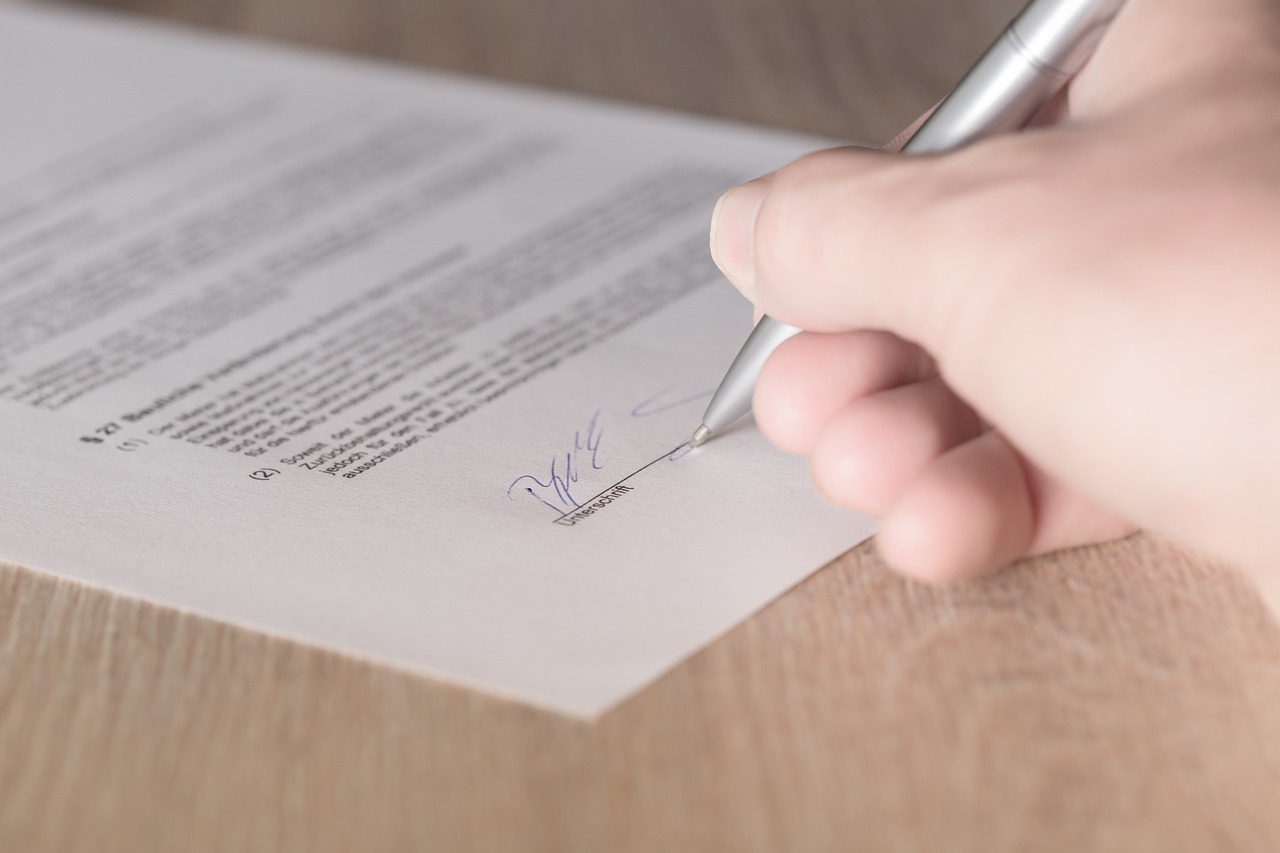
Mastering the Art of Detecting Forgeries: A Guide to Forensic Signature Analysis
Corporate Digital Forensics in India: A Guide for HR, Legal & Compliance Teams


Providing effective, efficient, cutting edge, Next Gen Cyber Security and Forensics Services to various sectors of clientele across the globe.
Talk to an Expert
We’ll respond within 24 hours
Thank You!
Your enquiry has been submitted successfully. Our team will contact you within 24 hours.